
You probably don’t know that Stephen King wrote his first bestseller on a typewriter in a tiny trailer, and that fact changes how you’ll feel about his voice — gritty, direct, oddly tender. I’ll warn you: you’ll meet telekinetic rage, small-town ghosts, and a fan who won’t let her favorite author go, and you’ll care about all of them, hard; I’ll point you to a few perfect starters, and then you’ll be tempted to fail at bedtime.
Key Takeaways
- Start with Carrie for lean, emotional horror exploring power, revenge, and sharp prose that hooks new readers.
- Read The Body for a nostalgic, character-driven coming-of-age story balancing humor, bravery, and tender friendship.
- Try Misery to experience claustrophobic psychological suspense, shifting dynamics, and dark humor in an intimate survival tale.
- Choose The Green Mile for moral dilemmas, slow-building compassion, and poignant reflections on justice and mercy.
- Pick Dolores Claiborne for a strong, witty female voice, ordinary bravery, and an intimate, morally complex narrative.
Carrie

A prom dress sits under a sheet in my mind, and it’s still damp with blood.
You’ll meet carrie characters who feel raw and immediate, not spooky caricatures, and you’ll notice carrie themes about revenge, isolation, and power that still sting.
I tell you this because you want fresh takes, and I won’t pander.
You’ll follow Carrie, feel her hands, hear the hall’s buzz, taste prom punch gone wrong.
I point out how King builds empathy, then flips it into an electric shock.
You’ll laugh nervously, I’ll wince with you.
Read this if you crave innovation, tight pacing, bold emotion.
It’s short, sharp, and unnervingly human—exactly the kind of debut novel that still teaches writers how to land punches.
The Body

You’re walking down a sun-bleached railroad track with me, summer heat pressing on the back of your neck, and we both know we’re chasing something that’s bigger than a dead boy in the woods.
I tell you upfront: The Body is a razor-sharp coming of age journey, but it’s also a map of friendship themes, messy and luminous.
You stick close, we swap secrets, we laugh until noses burn.
I point out the switch ties, you kick a pebble, we argue about bravery like it’s a vending machine decision.
King writes scenes you can taste — dust, rain, cheap soda — and he edits your nostalgia with surgical humor.
Read it if you want tender grit, bold voice, and that ache that changes you.
Misery

Typewriters click in the dark like nervous teeth, and I’m telling you now: Misery doesn’t hand out comfort.
You step into a snowbound room, I watch your pulse, and together we witness a genius trapped by his fan. You get a masterclass in character analysis without the dry lecture; the captor’s kindness flips like a broken switch, and you’re left guessing breath and motive.
It’s psychological horror that whispers, then slaps. You feel plaster dust, taste bitter pills, and hear the scratch of a pen as survival becomes barter.
I crack jokes to keep us sane, you wince, we both learn how obsession can be cozy and lethal. It’s intimate, brutal, and oddly inventive — read it, if you dare.
The Green Mile

You’re standing on Death Row with me, the fluorescent lights buzzing, and you’re going to watch miracles and moral knots unravel.
I’ll point out how King makes compassion creep in slowly, like rain soaking through a heavy coat, and you’ll squirm at what feels right.
Trust me, I’ll wink at the absurd and hold your hand through the hard parts.
Miracle and Morality
If miracles had a smell, I’d say John Coffey’s was wet earth and warm rain — the kind that makes your chest tighten and your boots squelch.
You walk the mile with me, you see a giant man who heals with a touch, and you wrestle with faith vs. doubt like it’s a stubborn knot. I’ll admit, I’m dazzled and suspicious at once.
You watch small mercies stack, you feel a redemption arc unfolding, and you keep asking, is this grace or something else?
The cell’s light, the cotton ball softness of night, the metallic click of keys — they anchor impossible moments.
I joke to hide the chill, but you, reader, will leave changed, thinking about justice, mercy, and how miracles complicate being human.
Slow‑burn Compassion
When we slow the tale down, you feel every small mercy like a drop of rain on your skin — sticky, honest, impossible to ignore.
I walk you through The Green Mile’s slow-burn compassion, and you’re right there, palms sweating, listening. You watch Paul, you watch John Coffey, and you learn patience, character development, the weight of tiny acts.
You’ll smell disinfectant, hear boots on concrete, taste stale coffee. Scenes stretch, they breathe, they teach. The emotional resonance lands like a soft, surprising punch.
I joke to keep it light, then choke up, then shrug—classic human. You’ll leave changed, not screaming, but kinder, slower, more awake.
That’s innovation: quiet power, honestly delivered.
Dolores Claiborne

Even if you think Stephen King only writes haunted hotels and shape-shifting clowns, Dolores Claiborne will shove that idea into the broom closet and lock it.
You meet Dolores through her voice, raw and plain, and you’re hauled into kitchen steam, rain-slick roads, the clack of knitting needles.
I’ll tell you straight: Dolores’ struggles are front and center, but so is her humor, sharp as a dinner knife.
You’ll feel her anger, her small triumphs, the earthy scent of tea and tar.
You get power in quiet moments, not fireworks. Her powerful resilience teaches you to listen to ordinary bravery.
It’s intimate, inventive, and oddly comforting — like being scolded by someone who knows how to love you.
Salem’s Lot
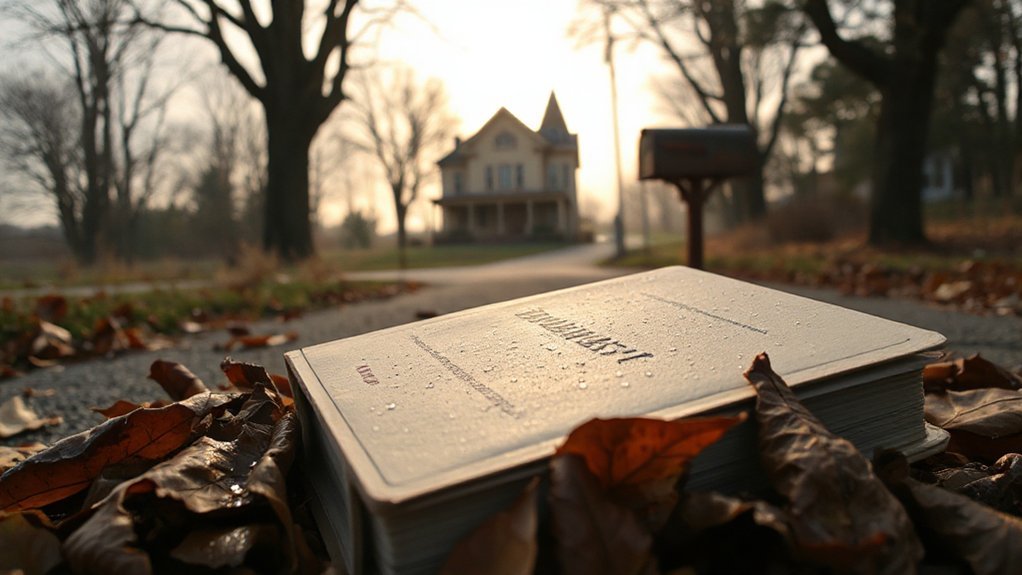
Think of a sleepy New England town, and then kick it in the shins—because that’s what Salem’s Lot does, quietly and with a grin.
You walk into town with curiosity, I walk beside you, I point out the crooked steeple, the grocery that smells like cinnamon and dust, and we both notice the hush.
King rewires vampire lore, he strips myth to its bones and makes it domestic, like wallpaper gone wrong.
You’ll hear doors creak, dogs go silent, people smile too long. Small town secrets pile up like newspapers in basements, damp and stubborn.
It’s inventive, eerie, and oddly intimate, it feels like someone turned down the lights and read your diary, then laughed.
You won’t sleep, and you’ll thank him.
The Shawshank Redemption
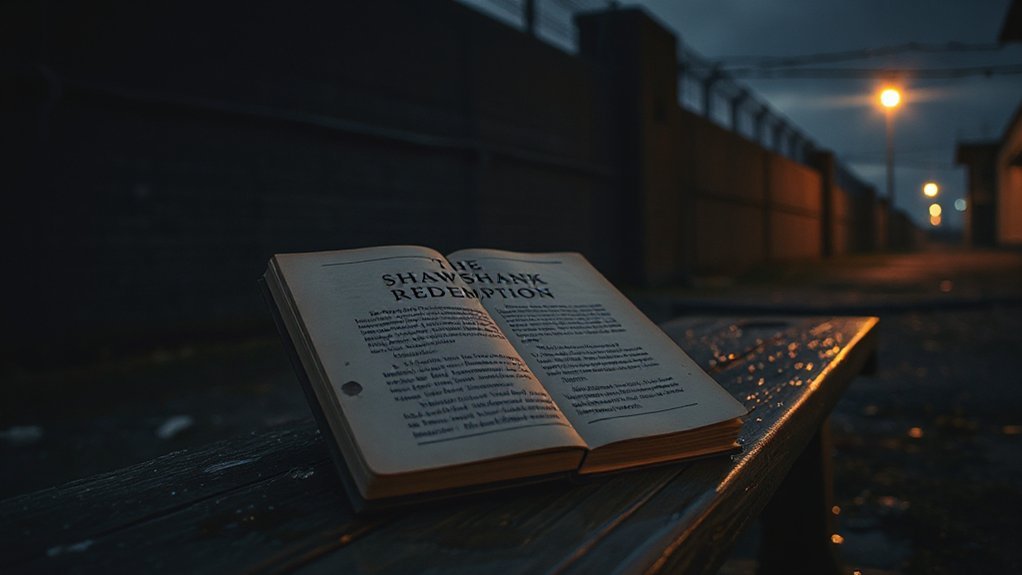
If Salem’s Lot got under your skin, let’s go somewhere that gets under your ribs: Shawshank.
You step into a damp cell, taste iron and old coffee, hear drip-drip like a slow clock. I’ll walk you through Andy and Red, because you’ll care about character redemption without melodrama.
You’ll feel the grind of prison life, the clank of gates, the small rebellions that feel huge. I’ll joke, I’ll wince, I’ll admit I cry at the library scene — don’t judge.
King keeps it human, spare, cunning. Scenes shift like film cuts, dialogue snaps, silence speaks.
You’ll leave thinking about hope as a craft, and wanting to build something honest from the rubble. It’s fierce, warm, and quietly ingenious.
Cujo

Heat does funny things to a sleepy town, and Cujo turns that heat into a slow, nasty panic. You’ll feel the sweat, the hum of flies, the rubbery scent of fear, and I’ll admit I flinch with you—classic empathy, lousy timing.
Heat curls over town; Cujo makes panic tactile—sweat, flies, teeth—fear cramped, relentless, and intimately brutal.
You watch dog behavior shift from loyal to lethal, small cues becoming monstrous signposts. King makes it tactile: barking, slobber, the grind of teeth.
You’re trapped in a car, trapped in a mind, counting minutes like beads, and every scrape on the window is a drumbeat. The novel studies emotional trauma close up, unflinching and inventive, and it still surprises; you expect gore, you get claustrophobia.
Read it for tension, and for how fear feels alive.
11/22/63

You’re still sticky from that sweaty, barking panic of Cujo when I shove you into a very different kind of trap: a time machine that looks like a Maine diner and smells like burnt coffee and old paper.
You slide into a cracked vinyl booth, I flip a jukebox switch, and suddenly the year on the pie-case changes.
22/63 feels like a long, clever joke King plays on you, it’s patient but sly. You’ll love the character development, it unfolds like spilled sugar, sweet then sharp, each crumb revealing motive and regret.
The thematic exploration hums under neon, about fate and chance, small towns and big choices. I grin, sip bitter coffee, warn you: this one worms under your ribs, in a good way.
The Dead Zone

There’s a small, electric chill the first time Johnny Smith wakes up, like the room’s been vacuum-sealed and someone left the fridge door open; I felt it crawl down my neck reading it.
You jump into a tight, clever thriller that flips the usual horror script. You watch Johnny learn psychic abilities, you see him touch futures like hot metal, and you feel the weight when choices arrive.
King makes you squirm, in the good way, with moral dilemmas that aren’t wrapped in neat bows. I laughed, I winced, I kept turning pages.
King forces uncomfortable moral choices—wrenching, darkly funny, and page-turning in equal, irresistible measure.
The prose is lean, the scenes vivid—hospital smells, coffee rings, a trembling hand on a bus rail—and you’ll walk away thinking about responsibility, power, and what you’d do.