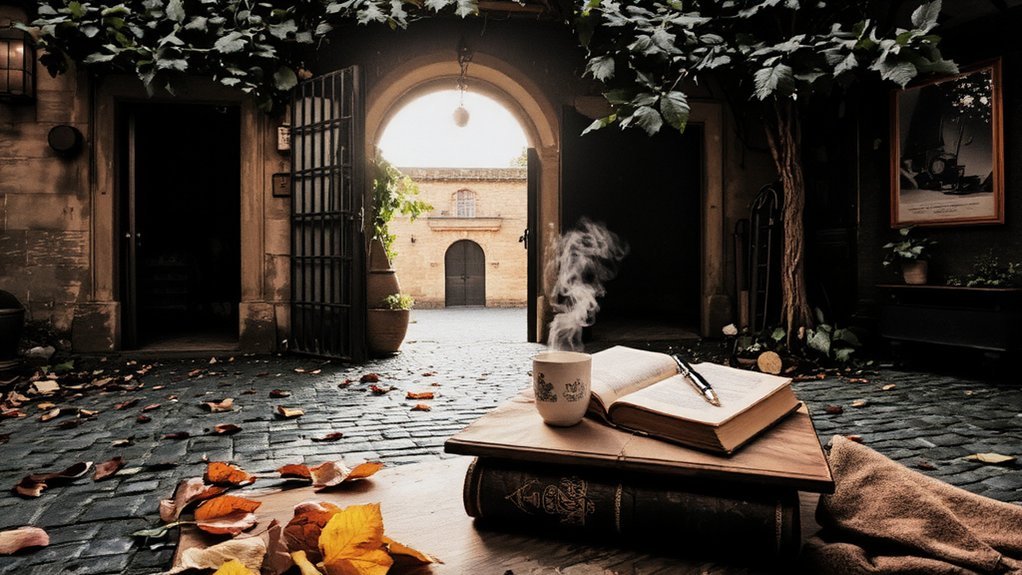
You crave dusty books and tweed coats at the same time, don’t you; you want both mystery and a sensible blazer. You pad into a dim library, the lamp smells faintly of wax and orange peel, you tuck a stray curl behind your ear, and suddenly your outfit feels like armor. You like the melancholy, the ritual of making tea at midnight, the clever lines you quote to sound smarter than you feel — and there’s more, so keep going.
Key Takeaways
- Romanticized intellectualism: Dark Academia celebrates learning, libraries, and the mystique of scholarship as desirable and aspirational.
- Aesthetic cohesion: Moody colors, vintage fabrics, and curated details create an evocative, wearable visual identity.
- Ritual and identity: Studying rituals and distinctive outfits offer structure and a clear, expressive personal narrative.
- Emotional resonance: Poetic melancholy and nostalgia provide comforting, bittersweet feelings that spark creativity.
- Community and storytelling: Shared tastes in books, study groups, and conversations build belonging and imaginative worlds.
The Allure of Scholarly Aesthetics
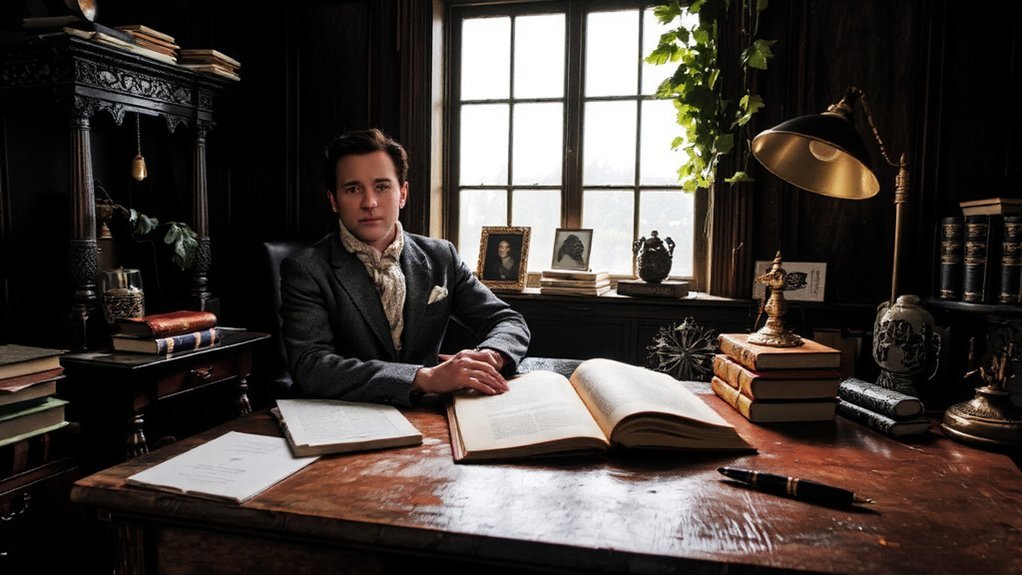
When you step into a dim library, the air feels like a slow exhale—dust motes drifting in sunbeams, leather spines whispering as you run a thumb along them—you’re already halfway in.
You lean close, you breathe the pages, you feel an intellectual charm that isn’t smug, it’s inviting. I nudge you toward stacks that smell like history, urging you to mix vintage inspiration with fresh ideas, because nostalgia needs a tweak, not a shrine.
You skim marginalia, you steal a line, you grin at your own cleverness. I joke, you roll your eyes, and we both know the aesthetic isn’t just clothes, it’s momentum: study, scribble, create.
You leave with a spine straighter, a head fuller, plans in your pocket.
Fashion as Ritual and Identity
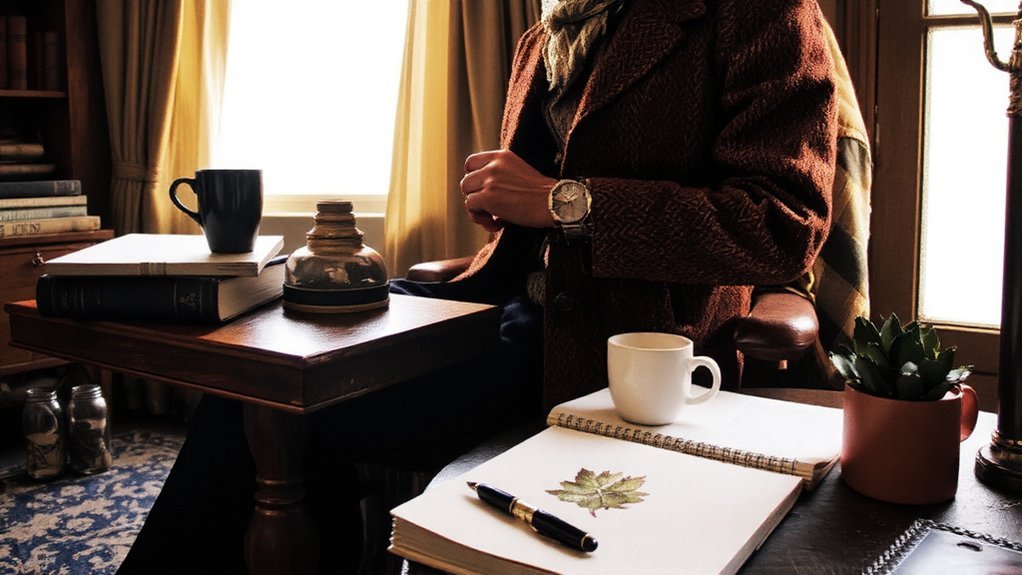
You breathe the library air, then you button your cardigan like it’s armor—same motion, different meaning. You tug sleeves over knuckles, inhale wool and old paper, and feel the small ceremony of dressing reshape you.
Clothes become identity expression, not just cover; a tweed elbow patch says, “I study, I wonder,” while a scarf ties your mood into a tidy knot. You perform these acts daily, each fold and polish a ritual significance that steadies mornings and sparks conversation.
Clothes speak: a tweed patch whispers curiosity, a scarf fastens feeling—daily rituals that steady and invite conversation.
I tease myself about theatricality, but I’m serious: fashion here is practice, rehearsal for the self you want. You swap a brooch, you change posture, and the room answers.
It’s shorthand, it’s signal, it’s private and proudly public.
Literature That Feels Like Home

If a book could wear a cardigan and hum softly, it’d be the one you keep beside your lamp, dog-eared and smelling faintly of tea. You open it and step into nostalgic settings, cobbled courtyards and rain-soaked libraries, but with fresh angles that surprise you.
I nudge you toward books that feel like an old coat, familiar yet tailored—characters who speak to you, who bruise and joke, forging character connections that linger. You trace margins, taste ink, hear shoes on stone.
I’ll tell you where to look: subtle maps, meals described like spells, rooms that become secret allies. You’ll read, return, and find comfort that’s inventive, not safe—intimate, clever, and stubbornly alive.
The Appeal of Melancholic Nostalgia
Because nostalgia smells like wet wool and old paper, you slip into it the way you slip into a familiar coat—awkward at first, then suddenly right.
I watch you cradle a chipped mug, feel the weight of dusk in the room, and know that nostalgic yearning has you by the collar, grinning despite yourself.
You chase poetic melancholy like it’s a secret ingredient, stirring old songs, lamp light, and margin notes into something new.
You’ll call it sadness, I’ll call it texture.
You rearrange memories like furniture, vote for the shadowed corner.
It’s a stylish ache that sparks invention, a soft tether to what mattered, and yes, it’s oddly energizing—grief with a to-do list.
Community, Rituals, and Study Culture
Nostalgia sits at the center table, but community is the chatter that fills the room; I can smell the tea and hear the quiet clink of teaspoons as we gather.
Nostalgia at the center, community murmuring around it—tea-steeped gatherings where ideas and teaspoons gently collide.
You step in, you bring a notebook, and we trade margins and marginalia like secret currency.
You want rituals that feel new, not dusty—so we invent midnight reading sprints, and candlelit citation nights, and flirt with productive chaos.
Study groups hum with purpose, they riff, they critique, they laugh.
Intellectual camaraderie keeps you honest, it sharpens ideas, it comforts when a paragraph collapses.
You’re part of a scene that studies, performs, and experiments.
- Shared rituals that spark creativity.
- Short, structured study groups.
- Communal celebrations of tiny wins.
Balancing Romanticism With Realism
While I lean into the romance—soft lamplight, wool scarves, and the idea that every book could be a conspirator—I also pack a planner and a realistic sense of deadlines, because prettiness doesn’t pay tuition.
You’ll savor romantic ideals, let them color your notes, and still set alarms. You’ll buy a vintage coat, but you’ll pick durable shoes for rainy walks between archives.
You’ll write sonnets in margins, then summarize sources in bullet points, because balance is stylish. I joke that my heart lives in a library, my head lives in a spreadsheet.
That split keeps you creative, and keeps bills paid. Make pragmatic choices, keep the mood, tweak rituals, and own both the dream and the to-do list.