Tag: BookTok

  • Why First-Person POV Is So Popular on BookTok

    Why First-Person POV Is So Popular on BookTok

    You feel every tiny panic and goofy triumph when a narrator speaks directly to you, like they’re whispering secrets over coffee, and that closeness hooks you fast; the voice is sharp, funny, and messy—mouth open, crumbs on the shirt—so lines land hard and clip into short videos, fans reenact them with dramatic eye-rolls and bedside lamps, and suddenly the protagonist is your friend you owe an honest text to—and you’ll want to see what they do next.

    Key Takeaways

    • First-person POV creates immediate intimacy, letting viewers feel like they’re inside the narrator’s head.
    • Distinctive narrator voice yields shareable, quotable lines that perform well as short clips.
    • Micro-moments and sensory beats translate into snackable scenes ideal for quick videos.
    • Confessional tone builds parasocial connections, making creators’ reactions feel personal and relatable.
    • Strong quirks and emotional honesty drive engagement through comments, duets, and repeat viewing.

    The Power of Intimacy: Feeling Every Thought and Emotion

    intimacy through immersive storytelling

    Because I want you to know just how close this gets, I’ll start blunt: first-person POV makes you a spy inside a character’s skull, and it’s deliciously invasive.

    You lean in, breath held, smelling coffee grounds and fear, and every thought lands like a punch or a tickle. You feel emotional resonance in the small stuff—the lame joke, the skipped heartbeat—so scenes hit harder, faster.

    It’s an immersive experience, sensory-first: you hear the rustle, taste regret, touch the frayed sleeve. I’ll poke you with honesty, wink at the awkward bits, then shove you into the next heartbeat.

    You’ll find intimacy breeds trust, and trust lets the story whisper secrets straight to your ribs, where they ache and stick.

    Instant Relatability Through Voice and Tone

    emotional connection through narration

    You feel it the second a narrator snaps at you, or whispers a guilty secret into your ear, because their voice hands you the emotion like a warm mug.

    I’ll point out how a distinctive narrator—full of odd little rhythms, salty jokes, breathy confessions—gets you laughing, bristling, or choking up in one line.

    Picture a character chewing gum, rolling their eyes, then confessing a regret, and you’re already hooked, because that tone makes everything immediate.

    Immediate Emotional Access

    Connection matters. You feel the narrator’s pulse, you catch their breath, and you’re pulled into emotional resonance before page two.

    I talk to you like we’re in the same room, I point at a crooked mug, you laugh, you already care.

    First-person hands you immediate emotional access, it lets you smell hot coffee, hear a trembling voice, see the small lie that spirals. Immersive storytelling happens fast, no distance, just raw feeling and the micro-moments that teach you who someone is.

    You don’t have to decode motive, you live it. That speed fuels BookTok clips, and yes, it cheats the usual slow reveal—deliciously.

    You’re hooked, you swipe, you want the next hit, and I’m grinning because me too.

    Distinctive Narrator Voice

    I’m not asking permission to steal your attention—I’m taking it, with a wink and a chipped mug in hand.

    You lean in because my voice sounds like someone who knows the map and drew you a shortcut. I use distinctive language, the kind that snaps pictures in your head, smells like burnt coffee, and clicks like a cheap spoon against porcelain.

    You hear a unique perspective, a narrator who admits flaws, cracks jokes, then hands you the truth on a napkin. You feel seen, instantly, because I speak like a neighbor who’s also a spy—familiar, surprising.

    Short lines land like beats, longer ones pull you through the room. You laugh, you roll your eyes, you buy the idea.

    That’s the power of voice.

    Snackable Scenes Built for Short-Form Videos

    snackable storytelling in motion

    When a scene’s built for thirty seconds, you learn to love the snap: quick beats, bold gestures, and a single line that lands like a punchline.

    When scenes live in thirty seconds, every beat snaps — bold gestures, one punchline, visuals that do the heavy lifting

    You craft snackable storytelling, trimming to a vivid kernel that hooks, surprises, and leaves a taste. You pick one strong image—a slammed door, neon dripping rain, coffee spilling slow—and you let the camera eat it.

    Visual engagement is king, so you stage movement, color, and texture, then cut for rhythm. You talk to the viewer, wink, admit you’re cheating a little with montage, but it works.

    You trust sensory detail, a tactile sound, a bitter smell, a heat on skin, to sell emotion fast. You leave space, let viewers fill in the rest.

    Quotable Lines and Shareable Moments

    Snackable scenes give you the visual hook, but lines make people hoard clips like snacks in their pockets. You hear a phrase, you pause, you save it—those quotable moments become currency.

    I watch you clip, caption, and send, because a sharp sentence hits like cold cider, bright and surprising. You want shareable lines that sting, soothe, or make you snort-laugh on a crowded bus.

    I suggest phrasing that’s vivid, tactile, a salted lemon on the tongue: tactile verbs, crisp rhythms, a tiny twist at the end. You don’t need epic monologues, just a pulse—an arresting turn of phrase that begs to be repeated.

    Give viewers a bite-size emotional jolt, and they’ll carry it everywhere.

    Performing the Text: Reenactments and POV Transformation

    You jump into voice-actor reenactments, mimicking breath, cadence, and that little throat-clear the narrator uses, and you feel the scene swell around you.

    Then you flip perspective, performing a POV scene adaptation where you mouth another character’s thoughts, tilt the camera, and make the room tilt with them.

    It’s messy, fun, and a little theatrical—exactly the kind of playful experiment that turns readers into performers, and viewers into witnesses.

    Voice-Actor Reenactments

    How do you take a paragraph off the page and make it breathe like a living person? You lean in, listen to cadence, and play with voice modulation until the sentence smiles or snarls.

    I’ll admit, I butcher a line or two before it sings, but that’s part of the fun. You practice character embodiment by shifting jaw, posture, tiny vocal twitches, making the narrator’s room smell like rain, or their coffee taste too strong.

    You film quick cuts, whisper a confession, then boom — a full-throated rant. Viewers feel invited, like they’re eavesdropping on a soul.

    It’s playful, precise, a craft and a prank. You perform first-person text, and suddenly strangers believe it’s their story.

    POV Scene Adaptations

    When I flip a paragraph into a scene, I don’t just read it — I stage it, like I’m sneaking a play into someone’s living room.

    You watch me map beats, pick props, and whisper lines, then test pov techniques — close third, breathy first, unreliable wink — until the room tilts.

    You lean in, you hear cloth rustle, coffee clink, a throat clear.

    I chop narrative structure, splice tempo, shove the line into your face, and watch you react.

    Sometimes I laugh at my accents, sometimes I nail the choke in a syllable.

    You’ll mimic, remix, loop a clip, and suddenly that sentence lives as a tiny, addictive drama.

    It’s rehearsal, performance, and micro-theater rolled into a scrollable thrill.

    Building Parasocial Connections With Protagonists

    Even if you’re skimming the back cover at midnight, squinting through the lamplight like a detective on a sugar high, I’ll bet you’ve already started chatting with the protagonist in your head.

    You lean into first-person narration because it hands you a voice like a friend who knows your coffee order. That reader identification snaps into place fast, you feel seen, you feel implicated.

    Character immersion arrives through sensory beats—your palms sweat, the room smells like rain and cheap perfume, you whisper the jokes before the line lands.

    Sensory beats pull you in—palms sweat, rooms smell like rain and cheap perfume, jokes land early.

    You forgive flaws, you root for risky choices, you keep the protagonist’s secrets like gossip. It’s intimate, cozy, intense.

    In short, first-person builds a parasocial spark, and you can’t help but fan it.

  • Why Booktok Is Reshaping the Publishing Industry

    Why Booktok Is Reshaping the Publishing Industry

    You probably don’t know that a 30-second clip can send a twenty-year-old paperback back onto bestseller lists overnight. I’ll say it plainly: you scroll, you cry-laugh, you tap “buy,” and suddenly a publisher is rewriting their playbook — but there’s more behind that impulse click, the deals, the dust-jacket redesigns and the midnight marketing huddles, and I’ll walk you through the parts that actually matter.

    Key Takeaways

    • Fifteen-second BookTok clips drive sudden, measurable spikes in sales and resurrect backlist titles into bestseller lists.
    • Viral creator recommendations create impulse purchases and redirect discovery away from traditional advertising channels.
    • Publishers reallocate budgets to creator partnerships and real-time testing to capitalize on emerging micro-trends.
    • Contracts, rights management, and packaging strategies are being rewritten for digital visibility, metadata, and video-ready covers.
    • BookTok amplifies diverse voices and community-driven promotion, reshaping marketing, events, and bookstore curation.

    The Rise of Short-Form Literary Influence

    short form literary engagement strategies

    If you’ve ever scrolled through a feed at 2 a.m. and discovered a book that felt like it was written just for you, you’ve met short-form literary influence head-on.

    At 2 a.m., a scroll reveals a book that reads like it knows you — short-form influence at work.

    You’ll notice quick cuts, bold captions, and a thumbnail that smells like promise — yeah, you can almost taste the plot twist.

    I talk to creators who build micro content strategies, trimming scenes into snackable hooks that hit fast, then linger.

    You lean in, you comment, you screenshot, you buy — that’s audience engagement doing its sly work.

    I’ll admit I steal ideas from these clips, riffing on them like a guilty but happy roommate.

    It’s nimble, it’s loud, it’s changed how you find the next book.

    How Viral Recommendations Drive Sales

    viral trends boost sales

    You watch a fifteen-second clip turn into a stampede, books flying off virtual shelves as a catchy line hooks people scrolling at midnight.

    I’ll show how that rapid discovery loop—those quick flashes of curiosity—sparks impulse purchase spikes, wallets opening before common sense kicks in.

    Picture cart notifications pinging like popcorn, and yes, I’m as surprised as you that one goofy hashtag can empty a bookstore.

    Rapid Discovery Loop

    When a fifteen-second clip lights up someone’s For You page and they can’t stop watching, a tiny domino falls — and I watch the whole line tumble with a grin; you’ve seen it before, that thumb-sticky loop where a laugh, a gasp, or a dramatic cover reveal makes people pause, tap, and then sprint to buy.

    You lean in, you share, you bookmark, and that action feeds an algorithm that rewards momentum. I call it the rapid discovery loop: one clip sparks reader engagement, that sparks comments and remixes, and suddenly dozens of discovery points light up.

    You watch trends cascade through community building, bookstores notice, publishers pivot fast. It’s fast, messy, thrilling—like caffeinated word-of-mouth, engineered by you and amplified by code.

    Impulse Purchase Spikes

    That rapid discovery loop doesn’t just make you smile — it makes your thumb act like a shopaholic. I watch you scroll, you gasp at a cozy cover, and before you know it, you tap buy. Impulse buying spikes, driven by slick clips, earnest endorsements, and a soundtrack that feels personal.

    You feel urgency, the dopamine buzz of a new title, the tactile promise of paper. Publishers ride that wave, timing promos, stacking stock, and tweaking metadata while you decide whether to add to cart.

    Consumer behavior shifts fast, you adapt, and the market responds in real time. It’s messy, exhilarating, and lucrative. I admit I love the chaos; you get great reads, we all get clever data.

    Backlist Resurrections and Catalog Revival

    reviving forgotten literary treasures

    You know that weird thrill when you pull a dusty hardcover off a shelf and it smells like attic afternoons and missed chances?

    You’re watching those forgotten titles explode back onto bestseller lists, publishers scrambling to buy back rights and slap shiny new covers on reprints, and it’s loud, messy, and kind of glorious.

    Stick with me, I’ll show you how a fifteen-second clip can make an old book roar back to life, and why agents are suddenly eating ramen to fund buybacks.

    Rediscovering Forgotten Titles

    A surprising few books have a way of showing up in your feed like a lost friend—dog-eared cover, spine creased, begging for a second life—and I’m here for the reunion.

    You scroll, you pause, you smell imaginary attic dust, and suddenly those forgotten gems and nostalgic reads feel urgent.

    I nudge you: pick up the paperback, flip to a bookmarked page, taste that musty paper thrill. You’ll laugh at how specific a quote hits, you’ll cry at a line you forgot existed.

    You share a clip, someone else gasps, a thread forms. It’s playful archaeology, you’re the curator, and the community’s taste breathes new color into old covers.

    You rescue stories, and they repay you with surprise.

    Sales Spike for Backlists

    Numbers don’t lie: backlist sales explode when BookTok gets bored of the new-release conveyor belt and decides to play archeologist.

    I watch you lean in, scrolling, then stop — a cover, a sentence, a smell of old paper in your imagination, and you buy.

    You’ll see backlist benefits, sudden spikes, and new sales strategies publishers hadn’t planned, but you’ll laugh and keep buying anyway.

    • You queue forgotten titles, you tag, you duet, you revive momentum.
    • You send clips that make mood, texture, and voice pop, and people sprint to carts.
    • You create micro-trends that scramble inventory, in a good way.
    • You turn catalogs into treasure maps, playful, profitable, unexpected.

    Rights and Reprints Boom

    When BookTok gets nostalgic, I watch rights teams do a little victory dance — quietly, efficiently, like librarians who found a secret door.

    You lean in, you hear the clack of keyboards, the scent of coffee and old paper, deals sliding across screens. I grin, because rights acquisition suddenly feels like treasure hunting, reroutes a catalog into a living pipeline.

    Reprint trends pop like popcorn, fast and warm, publishers dialing up covers, fresh forewords, small-batch editions.

    You’ll see backlist resurrections become curated comebacks, metadata scrubbed, inventories polished.

    I joke that I’m part archivist, part hype person, but it’s serious: rights moves change what readers discover.

    You watch catalogs revive, feel the buzz, and want to ride that wave.

    Shifts in Marketing Strategies and Budgets

    Since TikTok didn’t ask permission before changing how you buy books, publishers had to scramble—and I watched it happen like a slightly chaotic cooking show.

    You smell burnt toast, then cocoa, then a bestseller popping. I narrate as you pivot, juggling digital marketing, rethinking budget allocation, and tasting instant feedback.

    You test short vids, seed creators, cut print ads, and cheer when a hashtag bubbles.

    • You shift funds from static ads to creator partnerships fast.
    • You reroute teams to experiment with viral hooks, not just blurbs.
    • You track ROI in real time, celebrate small wins, iterate overnight.
    • You learn to lean into surprise, because algorithms reward bold flavor.

    I wink, admit I burned one batch, then we try again—smarter, louder.

    Impacts on Publishing Rights and Contracts

    As algorithms started whispering about your next read, your contracts suddenly mattered in ways they hadn’t before, and you felt it in your gut—like the moment a kitchen timer goes off and you hope it’s not burnt.

    You’re on calls, waving a mug, negotiating advances, and watching clips go viral, and contract negotiations turn into sprint drills. You want flexibility, so you push for clear digital clauses, split audio and foreign options neatly, and demand transparency on revenue streams.

    Rights management becomes a living thing, it breathes, it mutates with trends, and you’ve got to steward it or lose control.

    Rights aren’t static — they evolve with trends, breathe life into your work, and demand vigilant stewardship or they slip away

    I joke I’m part lawyer now, part trend-spotter, but really, you’re just protecting work that matters.

    Cover Design, Packaging, and Discoverability Changes

    If a cover can stop a thumb mid-scroll, you’ve already won half the battle—so you’d better make it shout something clever without being desperate, whisper mood like a film score, and look great blown up in a 1:1 square on TikTok.

    You’ve seen cover trends shift overnight, you adapt, you push design aesthetics that read fast and feel tactile. You want packaging that snaps on camera, and metadata that helps discovery sing.

    I’ll show you the moves, quick, smart, slightly cheeky.

    • Bold focal images that read on small screens and in motion.
    • Color palettes that trigger mood, not just pretty.
    • Typography that’s legible in a swipe, full of personality.
    • Video-ready packaging: texture, flaps, stickers, micro-scenes.

    Diversity, Inclusion, and Representation Challenges

    When publishers promise the world, but your friend from book club still can’t find a single title that looks — and feels — like her life, you know we’ve got work to do.

    I see you rolling your eyes, and I’m right there with you, poking at glossy lists that forget real people. You want authentic representation, not token blurbs. You want diverse voices and inclusive narratives that sound lived-in, tactile, smell like street food and grandma’s perfume.

    Push for cultural sensitivity, demand intersectional storytelling that honors layered identities, and listen to marginalized perspectives without applause traps. It’s messy, it’s necessary, you’ll stumble, laugh, learn, then publish better.

    Change tastes better when it’s honest.

    How Writers and Booksellers Are Adapting

    Because the world of books now moves at the speed of a thumb swipe, I’ve watched writers and booksellers rewrite the rulebook with equal parts hustle and stubbornness.

    You’ll see creators leaning into author collaborations, swapping drafts over late-night DMs, testing blurbs live, laughing at typos together. Indie bookstores pivot too, staging micro-events that smell like coffee and paper, selling surprise bundles, and filming shelf-styling reels.

    • You’ll partner with peers, launch joint reads, and split ads to amplify reach.
    • You’ll run pop-ups, curate tactile displays, and invite local TikTokers.
    • You’ll prototype merch, scent-themed bookmarks, and limited zines.
    • You’ll track metrics, pivot fast, and celebrate small wins, loudly.

    I’m cheering, I stumble, but we all keep turning pages, faster, brighter.

  • BookTok Made Me Buy It: 10 Viral Reads Worth the Hype in 2025

    BookTok Made Me Buy It: 10 Viral Reads Worth the Hype in 2025

    Like that time you found a secret map tucked into a library book, you’ll recognize the itch these BookTok picks scratch—familiar, dangerous, and oddly comforting. I’ll walk you through ten buzzy novels that made me click “add to cart” at midnight, each one smelling of rain, cheap coffee, or summer cut grass, promising spoilers, sighs, and maybe a few tears. Stick around—there’s one that broke my stubborn heart.

    Key Takeaways

    • Highlight five standout 2025 viral reads from BookTok with genre, vibe, and why they trended.
    • Summarize each book’s core hook in one sentence to explain its viral appeal.
    • Note reader reactions: emotional impact, quotable lines, and tactile details that drive recommendations.
    • Provide quick clues on who will love each pick (mood, preferred tropes, sensory preferences).
    • Include buying cues: giveaway alerts, audiobook strengths, and covetable editions to watch for.

    The Night Market of Forgotten Wishes by Mira Song

    magical realism and heartbreak

    If you like stories that smell like fried dumplings and midnight rain, then Mira Song’s The Night Market of Forgotten Wishes will grab you by the collar and refuse to let go.

    You wander alleys lit by paper lanterns, you taste steam and spice, and you watch objects whisper their pasts, magical realism threading through every stall.

    I nudge you toward its emotional depth, because you’ll buy into heartbreak the way you buy street food—fast, messy, unforgettable.

    It pulls at your heart like steam rising from a midnight dumpling—sudden, messy, and impossible to forget

    I joke I came for the weird trinkets, stayed for the regrets.

    Scenes snap: a vendor trading lost names, a child bartering a laugh.

    You’ll feel clever, surprised, oddly healed.

    Read it when you want wonder that’s sharp, inventive, and oddly human.

    When We Stole Tomorrow by Caleb Hart

    heist love memory hope

    Though it leans hard on future tech, I’d call Caleb Hart’s When We Stole Tomorrow a love letter disguised as a heist. You’ll ride tight with thieves who feel real, thanks to sharp Character Development, and you’ll care when plans wobble.

    Thematic Exploration hits big ideas—memory, consent, hope—without lecturing. Narrative Structure keeps you guessing, quick shifts, clipped scenes, smart beats. Emotional Impact lands; you’ll laugh, wince, maybe cry.

    Reader Engagement is constant, Hart’s Author’s Voice chatting in your ear, wry and earnest. Symbolic Imagery—neon rain, a broken locket—sticks. Plot Twists arrive when you’ve relaxed.

    Genre Blending mixes sci-fi, noir, romance, and it works. Critical Reception? Deserved buzz. You’ll finish grinning, already scheming a re-read.

    The Quiet House on Rook Lane by Ana Delgado

    mysterious ambiance clever surprises

    One dusty lamp, a sagging porch swing, and I swear the house on Rook Lane was waiting for me like a not-very-subtle secret.

    You step inside and the mysterious ambiance wraps around you, like damp wool and old books, but newer—sharper. I poke corners, you watch me, I mutter, we laugh; the air smells of lemon oil and rain.

    Delgado doesn’t hide her tricks, she rewires them, and you appreciate the boldness.

    Character development arrives in quiet punches: a lopsided smile, a slammed drawer, a confession over tea.

    Scenes shift on a dime, dialogue snaps, and you keep turning pages because the novel rewards curiosity.

    It’s clever, a little spooky, and oddly comforting—your new favorite if you like surprises.

    Lila & the Library of Stars by Rowan Hale

    You’re going to fall for Rowan Hale’s enchanting worldbuilding, trust me — the stacks smell of old paper and cinnamon, and constellations hang like lanterns above narrow wooden ladders.

    You watch Lila learn, quiet and stubborn, folding small revelations into the way she ties her shoes, and you’ll laugh at my obvious tears.

    Say something now: did the scene with the atlas make your chest tighten, or was that just me being dramatic?

    Enchanting Worldbuilding

    If you like getting lost in places that feel alive, grab my hand — I’ll show you Rowan Hale’s Library of Stars, where staircases sigh and maps whisper secrets as if they’ve been eavesdropping for centuries.

    You step into immersive landscapes that hum, shelves arranged like constellations, ink smelling of rain and copper. You run fingers along spines and feel tiny pulses, like the library’s heartbeat.

    Magical realism sneaks up, folding normal streetlight into lantern-birds that argue about directions. I narrate, you follow, we duck through a doorway that shouldn’t exist, then laugh because, of course, it does.

    The worldbuilding teaches you to expect wonder, rewards curiosity with clever rules, and never talks down. It’s inventive, tactile, and utterly addictive—yes, I bought it twice.

    Quiet Coming-of-Age

    When Lila first slips through the library’s backdoor, she hardly knows who she’s yet, and neither do we—except that she carries a backpack full of unanswered questions and a sweater that smells like cider and late homework.

    I walk with you through shelves that whisper like old friends, and you feel small, curious, electric. This is about self discovery journeys and quiet resilience, not fireworks. You learn by listening, touching spines, tasting dust motes in sunlight.

    1. You find maps drawn in margins, clues to identity.
    2. You trade secrets with a night librarian, almost a mentor.
    3. You rescue a fallen star, practical heroism.
    4. You leave quieter, firmer, oddly braver.

    It’s tender, clever, and quietly revolutionary.

    Blood Orange Summer by Tessa Monroe

    I’m handing you a sunburnt postcard of a book, where the heat hides family secrets and you’re squinting to read the fine print.

    You’ll feel the slow-burn romance like a cigarette passed on a porch, tension simmering while gulls cry and salt sticks to your skin.

    I’m serious — bring sunscreen and an extra tissue, because the coastal atmosphere will haunt you, in that sticky, delicious way.

    Sun-Soaked Family Secrets

    Even though the summer sun practically steals your sunglasses the minute you set them down, I promise Blood Orange Summer isn’t the syrupy vacation read you’d expect; it’s the kind of book that hands you a margarita and a secret at the same time.

    You walk its beaches, taste citrus on your tongue, and stumble into hidden truths that rewire how you see family dynamics. I narrate, I wink, I get sand in my stomach.

    1. Photo albums that lie, and fingerprints that don’t.
    2. Late-night confessions, salt on the porch rail.
    3. Sly siblings, small-town power plays.
    4. A twist that smells like sunscreen and betrayal.

    You’ll finish buzzing, slightly sunburned, pleasantly betrayed.

    Slow-Burn Romantic Tension

    Because slow-burn romance is a patient criminal, Blood Orange Summer turns every look into evidence and every quiet moment into a confession, and I’m more than happy to play detective.

    You watch the emotional buildup like footprints in sand, each scene a slow reveal that nudges you closer. The character chemistry crackles in close proximity, little sparks in crowded rooms, yearning glances across mundane tasks.

    Intimate moments land like soft punches, funny and sharp. Dialogue snaps, you laugh, you wince. Unresolved feelings simmer, then tease a tentative tension release that feels earned.

    Relationship dynamics evolve with gradual affection, not magic. You’ll savor the slow reveals, catalog clues, and feel oddly triumphant when the real confession finally arrives.

    Haunting Coastal Atmosphere

    When fog rolls in off the bay, it doesn’t just blur the boardwalk, it steals your breath for a second and makes you forgive the town for all its secrets.

    I walk you through Blood Orange Summer like a tour guide who loves creepy postcards, and you’re grinning even as the hairs rise.

    The haunting visuals hit fast: salt on your lips, gull calls, neon signs humming through mist. Coastal legends thread the plot, they tug, they tease.

    You’ll get:

    1. A lighthouse scene that smells like rain and old money.
    2. A midnight cliff walk where you almost step into history.
    3. A diner booth confession, hot coffee, colder truths.
    4. A twist that makes the shoreline feel alive.

    You’ll want to rework your summer reading list, trust me.

    The Cartographer’s Daughter by Nima Arman

    If you like maps and stubborn girls, you’ll love The Cartographer’s Daughter, and I say that like it’s a public service announcement.

    If you love maps and stubborn girls, this fierce, clever tale will redraw your expectations and steal your compass.

    You follow her on a cartographer’s journey, tracing inked coastlines, smelling damp vellum, feeling the scrape of a pen. I tell you, she won’t listen, she redraws the rules.

    You watch familial bonds stretch and knot, tension humming under quiet breakfasts, apologies swallowed like bitter tea. The prose snaps, it lingers—salt air one moment, the scratch of a compass the next.

    I laugh at my own predictions, because the plot still surprises me, in all the good ways. It’s clever, humane, and fierce; read it if you want maps that move and a heroine who refuses to stay put.

    How to Disappear Completely by June Park

    I grabbed the spine of How to Disappear Completely like it owed me money, and wouldn’t you know, it started paying dividends on the first page.

    You’ll feel like a co-conspirator, prowling city streets, learning clever disappearing acts, and tasting ink and rain on your tongue. The voice is sharp, intimate, inventive — it nudges you to innovate how you vanish, without losing heart.

    You get:

    1. crisp urban scenes that smell like asphalt and cold coffee.
    2. quiet rituals that teach erasure, with emotional resonance.
    3. practical misdirections that read like DIY magic.
    4. a finale that lands, surprisingly, like a soft fist in the chest.

    Read it if you want craft, cunning, and warmth — and don’t worry, you won’t actually disappear.

    A Small Bay of Monsters by Eli Brant

    So you left the city with June Park and learned to vanish like a polite ghost — nice work — now let me shove you into a salt-stung cove where monsters file their taxes.

    You arrive damp, curious, and a little smug, and Eli Brant greets you with crisp waves, brine, and absurdity.

    You’ll learn updated monster lore that feels fresh, like folklore remixed with startup logic.

    Characters argue, fix boats, and confess tiny betrayals, you watch character growth happen in real time, messy and believable.

    I crack jokes, you wince, then laugh.

    Scenes snap: a ledger thrown into surf, a monster bargaining for mercy, a midnight repair under bioluminescent spray.

    It’s inventive, humane, funny, and it’ll make you want a map of this strange coast.

    The Art of Saying No by Priya Menon

    You know that hollow feeling when your phone buzzes and you sigh, because you promised one more thing you didn’t want to do?

    I say no out loud, with a smile and a little sheepish joke, so my boundaries stick and people hear me—watch how your free evenings flood back like sunlight through an open window.

    You’ll get better at graceful refusals, reclaiming your time without the guilt, and yes, I still trip over it sometimes, but that’s half the fun.

    Boundaries That Stick

    If I’m honest, learning to say no felt like trying to swat a fly with oven mitts—awkward, noisy, and mostly ineffective—until I found a rhythm that actually stuck.

    I tell you this because you want tools that innovate, not platitudes. You’ll craft personal boundaries like a designer, sketching limits, testing fit, adjusting seams.

    You’ll build emotional resilience through tiny reps, like lifting a mug of calm every morning. You’ll swap reflexive saying yes for prioritizing needs, and watch healthy relationships reshape themselves.

    1. Map triggers, practice assertive communication, repeat.
    2. Anchor self care practices into routines, daily.
    3. Use boundary setting scripts, tweak tone.
    4. Track progress, celebrate personal growth, protect mental wellness.

    Saying No Gracefully

    When I first tried saying no, I sounded like a polite car alarm—loud, awkward, and impossible to ignore without someone thinking something was wrong. I learned fast, by tripping over apologies, breathing out a sharper yes, and practicing graceful rejection like a new dance move.

    You get to the point where a single, calm sentence shuts down an ask, without drama, without guilt. Priya Menon teaches assertive communication that feels modern, humane, and oddly stylish—imagine velvet with a zipper.

    You’ll try short scripts, tone tests, and tiny role-plays, and you’ll surprise yourself, smiling at your reflection. It’s practical, slightly rebellious, and empowering; you reclaim choice, keep your curious edge, and refuse burnout with elan.

    Reclaiming Your Time

    Because my calendar used to look like a ransom note—stickers, overlapping invites, and small font apologies—I learned to treat time like a stubborn houseguest: polite, but firmly shown the door.

    You’ll read Priya Menon and nod, then actually do the tiny, radical things that reclaim your hours. You’ll try a digital detox, feel the blank phone glow like fresh snow, and breathe. You’ll rewire time management from frantic to intentional.

    1. Audit your week, highlight energy leaks, cancel one recurring drain.
    2. Say “no” with a script, then repeat it until it sounds like a superpower.
    3. Block creative time, label it sacred, close tabs.
    4. Celebrate micro-wins, coffee in hand, calendar breathing finally civilized.

    Last Light at Harbor Point by Soren Vale

    One evening, the harbor throws a last, stubborn gold across the water and I stand on the pier pretending I didn’t come for the view.

    You’ll get pulled in, fast—poignant storytelling, emotional depth—Soren Vale doesn’t waste lines.

    I tell you this like a friend who read it in one sitting, cheeks flushed, coffee gone cold.

    The town smells like salt and fryer oil, the lighthouse clicks like a tired clock, and conversations snap, sharp and honest.

    You’ll want to annotate, you’ll dog-ear pages, you’ll laugh at your own tears.

    Dialogue bites, scenes shift cleanly, stakes climb without melodrama.

    It’s inventive, intimate, and just strange enough to feel new.

    Read it aloud, preferably near an actual harbor; I won’t judge.

  • The Rise of Romantasy: Why It’s Dominating BookTok in 2025

    The Rise of Romantasy: Why It’s Dominating BookTok in 2025

    Remember that viral clip of a cursed prince and a bookstore barista—two lines, zero chemistry for weeks, then everyone shipped them? You notice it because you laughed, then screenshoted, then told your friend, and suddenly a dozen new titles are on your TBR; I watch how BookTok stitches together character sparks, sensory world-building—linen shirts smelling of rain, candlelight on old maps—and you start to crave the next theatrical meet-cute, the queer-pivot, the consent scene done right, and I’ll show you why publishers, creators, and fandoms can’t stop feeding this fire.

    Key Takeaways

    • Magnetic character chemistry and clever curses create instant, shareable moments that fuel viral BookTok clips.
    • Vivid worldbuilding and sensory detail make short, quotable scenes ideal for bite-sized videos.
    • Trend-friendly tropes (enemies-to-lovers, enchanted rivals, meet-cutes) produce reusable formats creators remix.
    • Queer-forward representation and explicit consent resonate with diverse BookTok communities, boosting engagement and recommendations.
    • Publisher-influencer partnerships and agile marketing turn viral moments into bestseller momentum and preorder spikes.

    What Makes Romantasy Irresistible Right Now

    irresistible romantic fantasy allure

    Even if you’ve sworn off love triangles and court intrigue, you’ll find yourself hooked—because romantasy sneaks in like a cozy spell you didn’t know you needed.

    You’ll notice first the character chemistry, sharp as a struck match, that makes every glance scorch, every joke land. You’re pulled through vivid world building, textures under your fingers, the scent of rain on stone, the creak of old taverns.

    I’ll admit, I giggle when a clever curse doubles as a meet-cute. You move from scene to scene, heart tapping, eyes wide, wanting more.

    It’s innovative, but familiar, new magic on an old map. You’ll binge, you’ll recommend, you’ll secretly learn the spells, and smile like a conspirator.

    How BookTok Amplifies Romantasy Hits

    booktok s viral romance influence

    You’ve seen a cozy little clip blow up overnight, captions popping like popcorn, and suddenly everyone’s whispering the same ship name.

    I watch creators stage dramatic reveals, pile-on recs, and remix scenes until a book becomes unavoidable, that lucky chaos riding viral trend cycles straight to bestseller lists.

    Trust me, when creators point a flashlight at a title, you don’t just notice it—you feel the pull, swipe, and add-to-cart reflex in real time.

    Viral Trend Cycles

    When a BookTok clip catches fire, I watch the algorithm do its little victory dance—videos pinging across feeds, comments piling up like confetti, and that one deleted scene excerpt getting replayed until my earbuds vibrate with obsession.

    You see the trend resurgence ripple, then swell; a chorus of bookmarks, frantic DMs, and bookstore runs. You ride that wave, you tweak a caption, you add a smell-memory or a moody soundtrack, and suddenly the book’s cultural influence blooms like neon at midnight.

    It’s iterative, surgical, and oddly poetic. Trends loop, fade, then spike again with a remix or a cosplay. You learn timing, you learn nuance, you lean into surprise.

    I chuckle, shrug, and hit publish — again.

    Creator-Driven Discovery

    That wave of remixes and cosplay doesn’t just fizzle out—creators scoop it up, sharpen it, and shove it back into the algorithm with a grin. You feel the pull, right? A clip hooks you, then another creator flips it, adds a prop, a sultry whisper, a ridiculous caption, and suddenly the book’s everywhere.

    I watch creators stitch scenes live, coordinate creator collaborations, trade aesthetic packs, and mock-argue over ships like it’s Olympic drama. You get pulled in by clever edits, the scent of a candle, a rustle of pages, tension in a hand gesture.

    It’s theater, it’s community, it’s product launch disguised as play. Audience engagement spikes, sales climb, and you, chuckling, recommend it to everyone.

    Tropes and Formats Fueling Viral Engagement

    romantic fantasy engagement tropes

    How do certain romantic-fantasy beats make your scroll stop cold? You see a cover, you hear a snappy hook, and suddenly you’re inhaling forests, salt air, and spellfire.

    I’ll call out the usual suspects — love triangles, enchanted rivals, and clash-of-clans quests — then show you why they work on loop.

    Short scenes, cliffing chapter ends, dual timelines, and POV swaps give creators micro-doses of tension; you feel the tug, you dive back in.

    Bite-sized formats, remix edits, and soundtrack-driven montages make moments memetic. You laugh at the tropes, you gasp at the twist, you tag a friend.

    It’s engineered chaos, sincere and sticky, and yes, it’ll make you preorder what you didn’t know you needed.

    Because you care about being seen, you notice it: little moments that make a book feel like a mirror, not a billboard. You flip pages, you taste coffee steam, you grin when characters swap consent check-ins like casual banter.

    I point out scenes that teach consent culture, crisp and real, no performative notes. You want inclusive narratives that smell like rain and library glue, full of queer representation that doesn’t apologize.

    I tease myself for crying at a single line, then nod—yeah, that hit. You watch diverse voices reframe longing, humor, heartbreak, and magic with exacting, kind words.

    You feel held, challenged, invited. It’s not trend-chasing, it’s care made loud, and you cheer, because finally, the stories match you.

    Publishing Strategies That Built the Romantasy Boom

    When publishers caught wind of BookTok’s romance-fantasy mashup, they didn’t stare— they leaned in, poured coffee, and made spreadsheets that smelled faintly of hope and panic.

    You watch them pivot, agile, testing cover art like it’s a magic spell, running A/B copy, chasing trends without losing heart.

    You get market analysis briefings over lunch, charts smeared with crumbs, decisions made fast.

    Market briefings at noon — graphs sticky with crumbs, quick calls, and decisions made on instinct.

    They seeded diverse voices, greenlit bingeable arcs, and timed releases to viral cycles.

    You’ll spot influencer partnerships, surprise digital-first shorts, and backlist resurrection with fresh covers.

    This is publishing trends, driven by rapid feedback, fearless edits, and creative risk.

    You can smell the glue of a new model—innovative, messy, and absolutely working.

    The Future of Romantasy: Crossovers, Adaptations, and Community-Built Worlds

    If the next wave of romantasy feels like your favorite playlist suddenly getting remixes, that’s because it’s happening—loud, colorful, and slightly addictive.

    You’ll see crossovers that mash urban grit with fairy courts, sensory scenes that smell like rain on hot cobblestones, and characters who flirt in three languages.

    I point at community-built worlds, you grin, because fans now co-author maps, slang, and side quests, using fresh world building techniques that feel hand-crafted, communal, electric.

    Adaptation challenges pop up, sure—how do you film a scent-based magic system?—but those limits spark creativity, not defeat.

    You’ll watch creators reimagine panels, stream choose-your-own-adventure nights, and laugh when a plot twist comes from a comment thread.

    It’s messy, brilliant, and utterly yours.

  • Best BookTok Books That Are Actually Worth Reading

    Best BookTok Books That Are Actually Worth Reading

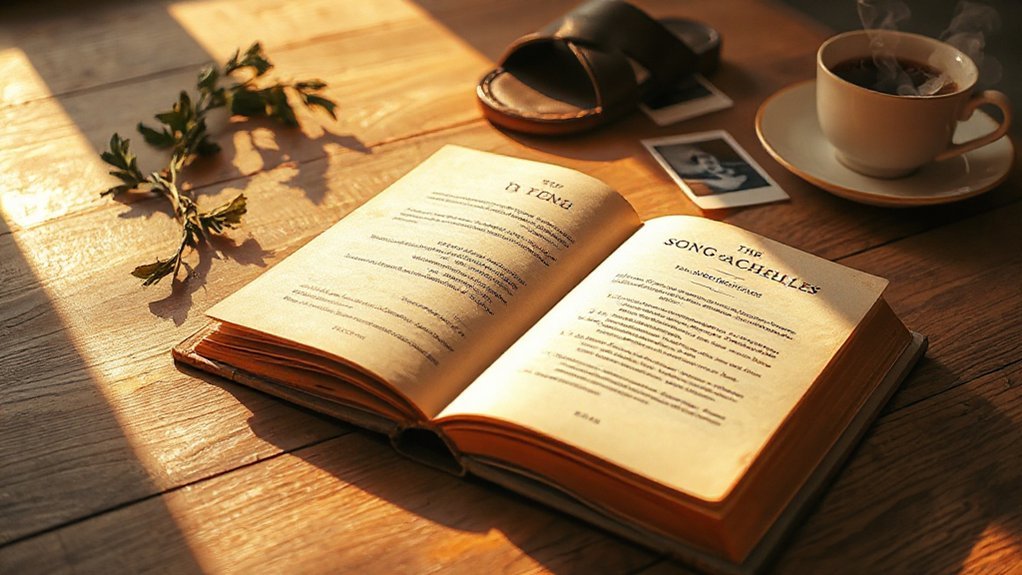
    You know The Song of Achilles will make you ugly-cry into your tea, because I did it in the park last spring and strangers tutted; you’ll feel every salted breeze and sword scrape. I’ll walk you through nine BookTok faves that actually deserve the hype, from glamour and betrayal to haunted houses and sprawling epics, I’ll point out which ones sting, which ones soothe, and which ones leave you furious—and I’ll tell you which to skip when you’ve only got one weekend.

    Key Takeaways

    • Pick BookTok favorites that combine strong character development with emotional stakes, like layered identity or trauma-driven arcs.
    • Prioritize books praised for prose and pacing that sustain emotional impact rather than viral moments alone.
    • Look for titles blending genre flair with social commentary — gothic, historical, or contemporary — for richer themes.
    • Choose novels with memorable, complex relationships and moral ambiguity that invite discussion and rereads.
    • Favor works by diverse authors whose cultural perspectives deepen authenticity and avoid surface-level trends.

    The Song of Achilles by Madeline Miller

    greek mythology s tragic love

    Okay, let’s talk about The Song of Achilles. You’ll plunge into Greek mythology reimagined, and I’ll guide you—no lecturing, just enthusiasm.

    You watch tragic love unfurl, feel character growth in small gestures, and taste emotional depth in starlit scenes. My narrator voice is frank, sometimes wry, as I point out Miller’s literary style: a modern retelling that keeps historical context alive, yet feels fresh.

    You touch armor, hear waves, smell smoke, and you wince at decisions that sting. Thematic exploration—fate, honor, desire—lands like a punch and a lullaby, simultaneously.

    Poetic language wraps raw feeling, and the book moves you. You’ll laugh, then cry, then recommend it like you discovered a secret.

    The Seven Husbands of Evelyn Hugo by Taylor Jenkins Reid

    hollywood ambition and betrayal

    If you pick up The Seven Husbands of Evelyn Hugo, don’t be surprised when it hooks you in the first chapter and won’t let go; I promise you’ll devour it like secret candy.

    You follow Evelyn, you smell perfume and smoke, you see cameras flash, and you feel Evelyn’s ambitions pulse under her silk.

    You trail Evelyn—perfume, cigarette smoke, flashing cameras—her ambitions throbbing beneath silk, unstoppable and intoxicating.

    I tell you secrets, I nudge you, I laugh at how ruthless she is, then admit I’d do the same.

    Hollywood glamour dazzles, but Reid peels the glitter back, shows the grind, the bargains, the quiet betrayals.

    You read fast, you wince, you cheer.

    Dialogue snaps, scenes shift like quick cuts, and by the last page you’re changed, satisfied, a little complicit.

    A Little Life by Hanya Yanagihara

    emotional trauma and friendship

    You’re about to sit with a book that won’t let you go, and I’ll warn you now, it gets intense—teeth-clenchingly emotional, tactile in its pain and its small joys.

    You’ll watch friendships bend and bruise, feel the weight of trauma in quiet rooms and crowded parties, and notice how Yanagihara paces revelation like footsteps in a hallway: slow, then sudden.

    Stay ready for long, patient scenes that build character bonds, sharp shifts in timing that make your chest tighten, and a story that asks you to keep turning pages even when you want to look away.

    Emotional Intensity and Trauma

    When I first opened A Little Life, I thought I was ready for a heavy book—I was wrong, loudly and embarrassingly wrong.

    You’ll feel it in your bones, the slow press of trauma, like cold rain seeping through a coat you thought was waterproof. I watch, narrate, and wince with you as the prose drills into memory, taste, and ache.

    This isn’t melodrama, it’s deliberate excavation—harrowing scenes, quiet regressions, and the messy, stubborn work of healing journeys that demand emotional resilience. You’ll mouth expletives, fold pages, make tea you don’t finish.

    It’s a tough, innovative read that rearranges your interior furniture, leaves some shards, but also shows how repair can glitter, oddly, in the light.

    Character Relationships and Bonds

    Because the friends in A Little Life are stitched to one another by habit, history, and a kind of tender stubbornness, you feel every pull and slack in their bonds like a muscle under the skin.

    I watch character dynamics shift in tiny rooms, in hospital halls, over cheap takeout, and I wince with you. You track emotional connections that bruise and bloom, relationship growth that’s messy, honest, stubborn.

    Bond exploration here is tactile; hands, silences, flinches do the talking. Contrasting personalities spark, clash, then cushion one another.

    Friendship evolution reads like weather, sudden and inevitable. Love complexities, trust issues, familial ties, loyalty themes braid through scenes, and I keep saying: it hurts, it holds, and sometimes it saves.

    Narrative Structure and Pacing

    Those tight, bruising friendships set the shape of the book, and now I want to show you how Yanagihara arranges the furniture of the story so those bonds look inevitable.

    I guide you through narrative techniques that twist time, drop you into rooms, then yank you back out, and you feel every bruise.

    You’ll notice pacing strategies that linger on a stare, then sprint through years, so the pain lands like a sucker punch.

    I talk like your savvy friend, I wink, I wince. You read scenes that smell of coffee and hospital antiseptic, you hear laughter and quiet sobs, you move with the quartet as the plot tightens, loosens, then tightens again.

    It’s bold, it’s blunt, and it works.

    • A slow burn hallway, light slanting, footsteps echo
    • A sudden cut to bright street, taxis honk, breathless
    • A hush in a small apartment, rain on glass, a held breath

    The Nightingale by Kristin Hannah

    wartime struggles sisterly bonds

    If you like books that grab you by the collar and don’t let go, then The Nightingale will do exactly that—Kristin Hannah throws you into wartime France with sand in your shoes, cold rain on your collar, and two sisters whose lives split down the middle.

    You’ll feel the historical context, you’ll watch character development like a slow, stubborn burn, and you’ll root for clever, messy survival. I talk to you like a friend who’s already cried in public over a plot twist.

    You get texture—smoke, bread, whispers—and choices that sting. The prose nudges you forward, the stakes keep expanding, and yes, you’ll laugh, gasp, and then, probably, ugly-cry on the bus. Worth the ticket.

    Normal People by Sally Rooney

    emotional depth in intimacy

    Normal People hits you like a quiet shove—you’ll notice it in the way Rooney stages a hallway, a glance, a text that lands like a stone in a still pond.

    I tell you, you’ll be hooked by raw character dynamics, by the small, stubborn details that lean into emotional depth. You watch gestures, overhear silences, and feel inventions of intimacy that feel new and unavoidable.

    I laugh at myself when a line stops me. You’ll move through scenes, and Rooney won’t let you skim.

    • A half-lit kitchen, cups clink, breath held between words.
    • A college corridor, footsteps sync, a look that reroutes time.
    • Rain on a window, a hand reaches, a silence becomes language.

    Read it, if you want fresh truth.

    The Invisible Life of Addie LaRue by V.E. Schwab

    immortality s bittersweet reality

    Maybe everyone thinks immortality sounds glamorous, but let me tell you, it isn’t—unless you’re a moth to a midnight streetlamp.

    Immortality isn’t glamor—unless you’re a moth to a midnight streetlamp, drawn to impossible light and slow burn.

    You follow Addie LaRue into alleys of memory and candlelight, and I promise you’ll leave more curious than you arrived. I walk beside her, tracing the grain of old wood, smelling salt and rain, feeling a bargain hum under my skin.

    V.E. Schwab gifts you an audacious premise, then sharpens it with small, brutal truths. You’ll want to annotate every line, pause at phrases that sting, laugh at my bad jokes, then choke on the ache.

    This book teaches you to love risk, to savor stolen moments, to reinvent yourself when the world forgets you—innovative, tender, and surprisingly bright.

    The Priory of the Orange Tree by Samantha Shannon

    dragons lore feminist themes

    A handful of sweeping epics make you feel like you’re getting your money’s worth, and The Priory of the Orange Tree is one of those glorious beasts you’ll happily wrestle with; I dove in expecting dragons and court gossip, and came up with fire, salt, and a throne room that smelled faintly of old paper and orange peel.

    You’ll ride long chapters that reward patience, you’ll learn intricate dragons lore, and you’ll grin at feminist themes threaded through sword practice and statecraft. I narrate scenes like I’m passing you a map, honest and a little smug, because this book earns its scope.

    It hugs slow build, then punches with mythic stakes, and yes, the dragons are worth it.

    • Scales glinting in torchlight, sea salt on leather
    • Silk banners, ink-stained treaties, whispered strategy
    • Hot metal, iron tang, a chorus of wings

    The Vanishing Half by Brit Bennett

    identity family secrets race

    I want you to grab a coffee and picture two sisters, one who walks into a room and is seen, the other who slips in like a cat and gets an entirely different life.

    You’ll notice how identity and passing tangle with family secrets, every conversation and holiday stuffed with small betrayals and the scent of boxed cake.

    Read it for the sharp questions about race and legacy, they’ll sit with you, uncomfortable and thrilling, like a song you can’t stop humming.

    Identity and Passing

    Because you’ll want a place to sit before we start, grab a mug and settle in — I’ll tell you why The Vanishing Half hits like a mirror with a crack in it.

    You watch identities shift, you feel the heat of social expectations, and you trace cultural identity like a fingerprint.

    I lean in, you lean back, we both squint at dual identities, intersectional experiences, and the tug between societal acceptance and authenticity struggles.

    It’s about calm scenes and loud reckonings, about self discovery that smells like coffee and fear.

    • A moth slipping into light, wings unsure, searching for authenticity.
    • Two women at a bus stop, shared silence, separate cultural heritage.
    • A torn family album, pages fluttering with identity exploration.

    Family and Secrets

    When secrets live in your house like uninvited relatives, you learn to walk around them—soft-footed, a little guilty, always checking for noise.

    I watch family dynamics twist like knotted cords, you feel the tension under dinners, hear siblings trade barbs, that sibling rivalry is sharp, almost audible.

    You touch hidden truths, they stick to your palms. Scenes snap: a slammed door, a whispered confession, a laugh swallowed.

    Generational conflict hums in the walls, parental expectations crow like roosters at dawn.

    You trace family legacies in old photos, you wince at secrets revealed, you catalog emotional scars like souvenirs.

    I nudge you toward Bennett’s craft, it’s clever, exact, painfully humane — and yes, oddly comforting.

    Race and Legacy

    If you’ve ever watched someone step into a room and deliberately lose the color of their skin like it’s a costume change, you know the electric hush Brit Bennett builds in The Vanishing Half.

    You walk with twins who choose different lives, you feel the tug of race relations in every small lie, and you sense how cultural legacy gets passed like a secret recipe.

    I’ll admit, it prickles. You want innovation in storytelling? This delivers, sleek and sharp.

    You see faces, hear muted laughter, smell coffee and dust in split apartments. You laugh at my terrible metaphors, then you nod, because Bennett forces you to choose sides, or to drop the choice entirely.

    • A whispered name in a crowded diner
    • Two mirrors, one cracked
    • A postage stamp of a hometown

    Mexican Gothic by Silvia Moreno-Garcia

    gothic horror with cultural depth

    You’ll want to light a candle for this one, even if you’re only pretending to set the mood; I did, mostly to feel like a competent Gothic heroine and partly because the house in Mexican Gothic smells like damp library books and old cigarettes.

    You step into a poisoned glamour, you notice the wallpaper peeling, and you keep asking questions. This gothic horror novel plays like a clever invention, it blends dread with sharp social observation, and it honors cultural heritage without tokenizing anything.

    You’ll root for Noemí, you’ll whisper to her, “Don’t open that door,” and she’ll do it anyway — brilliant, messy courage.

    It’s eerie, stylish, and inventive; you’ll close it satisfied, slightly chilled, wanting to talk about it.

    The Atlas Six by Olivie Blake

    magic betrayal character development

    Even though I promised myself I wouldn’t join the fandom, I opened The Atlas Six at midnight with a mug of tea gone cold and a guilty grin on my face.

    You’ll be pulled in by a slick, experimental magic system, and you’ll stay for the sharp character development—every betrayal tastes like citrus, every alliance hums.

    I narrate the chaos, I laugh at my own impulse buys, and I point out how the book rewires expectations without being smug.

    • Candle wax pooling, pages fluttering like small wings
    • Velvet robes rustling, a library breathing secrets
    • A map sketched in coffee rings, margins full of furious notes

    You’ll want to debate ethics, memorize quotes, and then reread, immediately.