Tag: books

  • Why People Love Dark Academia Fashion and Books

    Why People Love Dark Academia Fashion and Books

    You crave dusty books and tweed coats at the same time, don’t you; you want both mystery and a sensible blazer. You pad into a dim library, the lamp smells faintly of wax and orange peel, you tuck a stray curl behind your ear, and suddenly your outfit feels like armor. You like the melancholy, the ritual of making tea at midnight, the clever lines you quote to sound smarter than you feel — and there’s more, so keep going.

    Key Takeaways

    • Romanticized intellectualism: Dark Academia celebrates learning, libraries, and the mystique of scholarship as desirable and aspirational.
    • Aesthetic cohesion: Moody colors, vintage fabrics, and curated details create an evocative, wearable visual identity.
    • Ritual and identity: Studying rituals and distinctive outfits offer structure and a clear, expressive personal narrative.
    • Emotional resonance: Poetic melancholy and nostalgia provide comforting, bittersweet feelings that spark creativity.
    • Community and storytelling: Shared tastes in books, study groups, and conversations build belonging and imaginative worlds.

    The Allure of Scholarly Aesthetics

    intellectual charm vintage inspiration

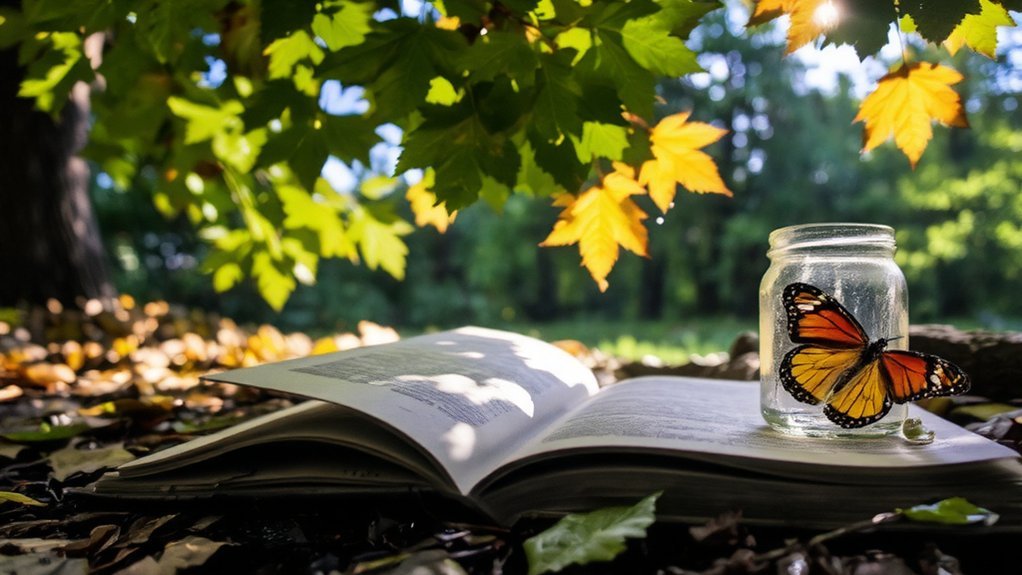
    When you step into a dim library, the air feels like a slow exhale—dust motes drifting in sunbeams, leather spines whispering as you run a thumb along them—you’re already halfway in.

    You lean close, you breathe the pages, you feel an intellectual charm that isn’t smug, it’s inviting. I nudge you toward stacks that smell like history, urging you to mix vintage inspiration with fresh ideas, because nostalgia needs a tweak, not a shrine.

    You skim marginalia, you steal a line, you grin at your own cleverness. I joke, you roll your eyes, and we both know the aesthetic isn’t just clothes, it’s momentum: study, scribble, create.

    You leave with a spine straighter, a head fuller, plans in your pocket.

    Fashion as Ritual and Identity

    fashion as personal ritual

    You breathe the library air, then you button your cardigan like it’s armor—same motion, different meaning. You tug sleeves over knuckles, inhale wool and old paper, and feel the small ceremony of dressing reshape you.

    Clothes become identity expression, not just cover; a tweed elbow patch says, “I study, I wonder,” while a scarf ties your mood into a tidy knot. You perform these acts daily, each fold and polish a ritual significance that steadies mornings and sparks conversation.

    Clothes speak: a tweed patch whispers curiosity, a scarf fastens feeling—daily rituals that steady and invite conversation.

    I tease myself about theatricality, but I’m serious: fashion here is practice, rehearsal for the self you want. You swap a brooch, you change posture, and the room answers.

    It’s shorthand, it’s signal, it’s private and proudly public.

    Literature That Feels Like Home

    nostalgic comforting inventive literature

    If a book could wear a cardigan and hum softly, it’d be the one you keep beside your lamp, dog-eared and smelling faintly of tea. You open it and step into nostalgic settings, cobbled courtyards and rain-soaked libraries, but with fresh angles that surprise you.

    I nudge you toward books that feel like an old coat, familiar yet tailored—characters who speak to you, who bruise and joke, forging character connections that linger. You trace margins, taste ink, hear shoes on stone.

    I’ll tell you where to look: subtle maps, meals described like spells, rooms that become secret allies. You’ll read, return, and find comfort that’s inventive, not safe—intimate, clever, and stubbornly alive.

    The Appeal of Melancholic Nostalgia

    Because nostalgia smells like wet wool and old paper, you slip into it the way you slip into a familiar coat—awkward at first, then suddenly right.

    I watch you cradle a chipped mug, feel the weight of dusk in the room, and know that nostalgic yearning has you by the collar, grinning despite yourself.

    You chase poetic melancholy like it’s a secret ingredient, stirring old songs, lamp light, and margin notes into something new.

    You’ll call it sadness, I’ll call it texture.

    You rearrange memories like furniture, vote for the shadowed corner.

    It’s a stylish ache that sparks invention, a soft tether to what mattered, and yes, it’s oddly energizing—grief with a to-do list.

    Community, Rituals, and Study Culture

    Nostalgia sits at the center table, but community is the chatter that fills the room; I can smell the tea and hear the quiet clink of teaspoons as we gather.

    Nostalgia at the center, community murmuring around it—tea-steeped gatherings where ideas and teaspoons gently collide.

    You step in, you bring a notebook, and we trade margins and marginalia like secret currency.

    You want rituals that feel new, not dusty—so we invent midnight reading sprints, and candlelit citation nights, and flirt with productive chaos.

    Study groups hum with purpose, they riff, they critique, they laugh.

    Intellectual camaraderie keeps you honest, it sharpens ideas, it comforts when a paragraph collapses.

    You’re part of a scene that studies, performs, and experiments.

    1. Shared rituals that spark creativity.
    2. Short, structured study groups.
    3. Communal celebrations of tiny wins.

    Balancing Romanticism With Realism

    While I lean into the romance—soft lamplight, wool scarves, and the idea that every book could be a conspirator—I also pack a planner and a realistic sense of deadlines, because prettiness doesn’t pay tuition.

    You’ll savor romantic ideals, let them color your notes, and still set alarms. You’ll buy a vintage coat, but you’ll pick durable shoes for rainy walks between archives.

    You’ll write sonnets in margins, then summarize sources in bullet points, because balance is stylish. I joke that my heart lives in a library, my head lives in a spreadsheet.

    That split keeps you creative, and keeps bills paid. Make pragmatic choices, keep the mood, tweak rituals, and own both the dream and the to-do list.

  • Top 10 Books That Feel Like a Movie

    Top 10 Books That Feel Like a Movie

    You know that spine-tingle when a scene plays like it’s already been shot? I’ve picked ten books that do that—rich sets, snap dialogue, and twisty pacing that makes you feel you’ve got popcorn in your lap; the circus smells of caramel and rain, a frozen highway crunches underfoot, a cliffside lawsuit hums with tension. I’ll point out the big moments, the filmmakers’ candy, and the few books that still surprise you—so stick around, you’ll want to argue with me.

    Key Takeaways

    • Choose books with cinematic pacing, vivid set pieces, and scenes that translate easily into visual moments.
    • Prefer novels with strong atmosphere and sensory detail that make settings feel tactile and film-ready.
    • Look for ensemble casts, alternating perspectives, or interwoven narratives that mimic film editing and montage.
    • Favor stories with high-stakes conflict, moral ambiguity, and unreliable narrators for gripping, twist-driven plots.
    • Seek novels whose prose creates memorable tableaux and emotionally cinematic beats resembling movie scenes.

    The Night Circus

    magical realism and spectacle

    If you step into a circus that only opens at night, you’ll expect tricks and trombones — yet this one breathes like a living set piece, and it’ll steal your attention before you’ve had time to blink.

    You wander under striped tents, you taste cold caramel, you hear clocks ticking like secret metronomes. The novel wraps you in magical realism, it layers enchanting visuals on every page, and you feel scenes unfold like film reels.

    I’ll admit, I sighed at the first illusion, then grinned when a tableau surprised me. You watch rivals craft wonders, you smell ozone and old paper, you sense stakes rising.

    Dialogue snaps, pacing hums, and the prose stages each reveal. Read it if you want spectacle you can almost touch.

    Gone Girl

    psychological thriller with deception

    When you open Gone Girl, you’ll feel like you’ve walked straight onto a crime-scene set where the camera loves ugly truths and everyone’s lying to look good on film.

    Step into a crime-scene film where the camera adores ugly truths and everyone lies to look stylish.

    You plunge into a psychological thriller that plays like a noir experiment, and I’ll nudge you when the light changes.

    You’ll smell coffee, cold rain, cheap perfume, hear police radios, catch the rhythm of two voices that trick you.

    The unreliable narrator flips the script, so you mistrust what you see and trust the gaps instead.

    You’ll grin at the craft, wince at the cruelty, turn pages fast, then slow, because the book’s staging is clever, bold, cinematic.

    It’s sharp, messy, and satisfies your taste for new, audacious storytelling.

    The Road

    post apocalyptic survival journey

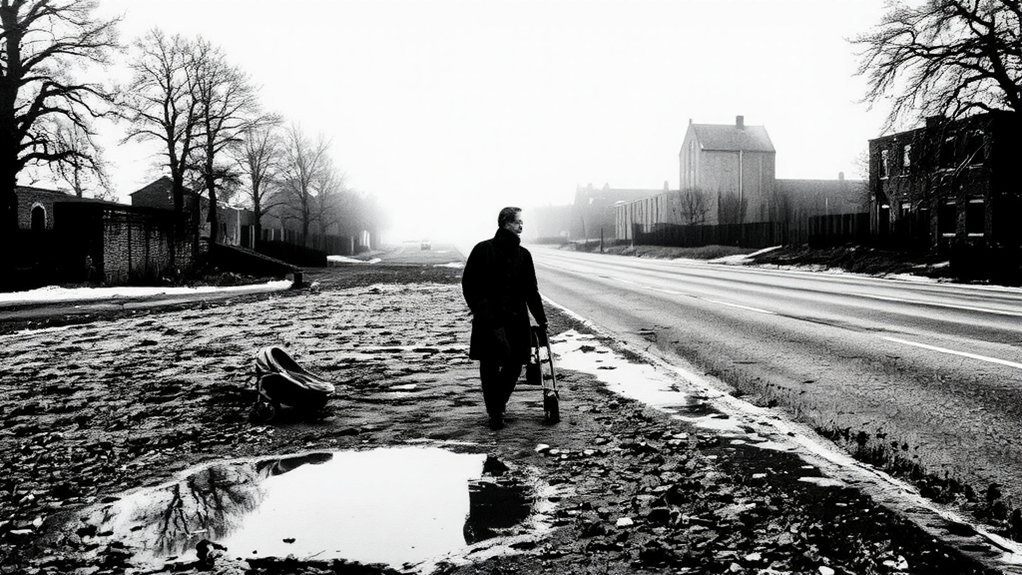
    Ashes taste like memory; I’m not being poetic, I’m just honest — you’ll know the flavor fast. You walk with a boy, I say “we,” because you feel like my shadow, we trudge through gray, cold wind slicing your face, and the road goes on like a dare.

    Cormac McCarthy turns a post apocalyptic journey into tactile grit: ash underfoot, canned peaches that taste like victory, the constant click of scavenged items. You’ll find survival themes braided with father-son love, bleak humor, and tiny triumphs.

    I point out the clean sentences, the spare dialogue, the scenes that play like film. It’s bleak, yes, but thrilling, intimate, and oddly hopeful — in a stubborn, stubborn way.

    The Secret History

    You step onto a ivy-clad quad that smells like rain and old books, and I’m right behind you, whispering that this campus is prettier than it should be and twice as dangerous.

    You’ll watch pretty people make ugly choices, feel your stomach tighten as moral lines blur, and mouth the kind of bad advice you’ll pretend you didn’t give.

    We move slow, tension stretching like film grain, and by the time the secret spills, you’ll be both horrified and oddly proud you stuck around.

    Gothic College Atmosphere

    Though the campus looks picturesque in postcards, I’ll admit it felt like a set built for mischief from the first step through the iron gate; fog hugged the stone, dry leaves skittered like whispered secrets, and the ancient hall smelled of dust, pipe tobacco, and too many late-night confidences.

    You wander under gothic architecture, you notice the eerie ambiance, and you grin because it’s deliciously theatrical. You’ll overhear academic rivalry muttered over coffee, spot furtive glances that mean secret societies, and trace chalky initials on a window sill that hint at dark secrets.

    You feel the haunting isolation, yes, but it sharpens senses, fuels obsession, and makes every corridor thrum. I’m not immune, I lean closer, I listen, and I stay.

    Moral Ambiguity Explored

    I stand at the chapel steps and watch the students pass, the fog lifting enough to show the way their faces tighten when they talk about what’s right, then soften when they joke about what they did; it’s amazing how easily nobility and selfishness swap costumes here.

    You get pulled into moral dilemmas, nudged to choose, then surprised when choice rots into consequence, and you grin because you thought you’d be smarter.

    You smell rain, hear footsteps, see laughter that’s almost a lie.

    1. You’ll love the ethical grayness, it’s sleek, it’s unsettling, it forces improvisation.
    2. You’ll question loyalty, artifice, your own small cruelties.
    3. You’ll leave thinking, then laughing at yourself.

    Slow-Burn Suspense

    When the snow keeps falling and the campus hush grows thicker, you start to notice the way conversations stop mid-sentence, like someone just cut the music.

    I watch you lean in, and I promise you, this is where slow-burn suspense lives: long glances, small betrayals, and an awful calm that screams. You feel tension building in the air, a deliberate crawl, not a jump scare.

    Characters move like clockwork, their routines cracking, and you study each quirk because character development matters more than plot points here. I joke, I wince, I whisper lines you’d say if you were braver.

    You taste cold breath, hear boots on ice, and you keep turning pages, savoring the slow, satisfying unravel.

    Little Fires Everywhere

    You watch two families orbit each other, you smell lemon disinfectant and burning toast, and you’re clued into both sides at once—one voice calm and curated, the other raw and restless.

    I’ll point out the simmering tension under the suburban wallpaper, the secrets that hum like a faulty fuse, and the way loyalties harden into unexpected weapons.

    Twin Perspectives, Simmering Tension

    Even though the whole Richardson household looks like a Pinterest board, I’ll bet you can smell the hidden smoke before you see the first spark.

    I watch you lean in, because Elena and Mia’s twin dynamics aren’t genetic — they’re a mirror game, a dare. You feel narrative tension in every glance, every quiet kitchen scrape.

    I’ll admit, I cheer for messy truth, and you’ll love the slow burn.

    1. Two viewpoints, one pulse — you alternate breaths with both narrators, it’s cinematic.
    2. Small acts, big detonations — a spilled coffee becomes evidence, you notice.
    3. Quiet dialogue, loud stakes — you overhear, you judge, you’re complicit.

    You’ll close the book, slightly singed, oddly exhilarated.

    Suburban Facade, Hidden Truths

    Though the McCulloughs’ lawn looks like a glossy ad, you can smell something off — faint, plastic, like sunblock left in a closed car — and I’ll bet you’d recognize it too, if you’d ever lived in a place that insisted on being perfect.

    You walk their sidewalks, notice the haircut symmetry, the matching recycling bins, and you grin, privately amused.

    Then you spot the cracked patio tile, a kid’s shoe half-buried in mulch, a furtive glance through blinds, and the whole setup shifts.

    Suburban secrets hum under the hedges, hidden lives pulse behind garage doors, deceptive appearances are peeled back by curious neighbors and slow-burning choices.

    You watch truth unraveling, like ribbons at a party, and you can’t look away.

    Moral Ambiguity, Fierce Loyalties

    If you live in Shaker Heights—or pretend you do because you like the idea of order—you’ll learn fast that rules can come with teeth.

    I watch characters skitter around neat lawns, and you feel the grit under those polished shoes. You’ll face moral dilemmas that sting, loyalty conflicts that tug your sleeves. The air smells like cut grass, guilt, and cheap coffee. You lean in, because the choices are messy, urgent, and oddly elegant.

    1. Secrets that sound reasonable, until they break things.
    2. Mothers who protect, and children who rebel, both brilliantly wrong.
    3. Small betrayals that explode into town-wide judgments.

    I crack a joke, then hush it, because the next scene slams into you, vivid, precise, unavoidable.

    Cloud Atlas

    One book, six stories, and a rollicking sense that the whole thing was stitched together by a slightly mad tailor — that’s how I felt when I first opened Cloud Atlas.

    You’ll ride a kaleidoscopic narrative structure that darts through time, voice, and genre, and you’ll love that it trusts you to keep up.

    I narrate a bit, I grin at the audacity, then I hand you a scene: rain on a ship’s deck, the metallic tang of ink, a future city buzzing like a nervous hive.

    Thematic depth sneaks up on you, punches your curiosity, then hands you a clue.

    It’s cinematic, bold, sometimes puzzling, always electric.

    Read it aloud, or whisper, either way it’ll stick to your ribs.

    The Girl With the Dragon Tattoo

    You step into a freezing Swedish night, and the air tastes metallic. The streets echo with distant engines and a sense that something’s very wrong.

    You’ll meet Lisbeth, fierce and unreadable, and Mikael, tired but stubborn, their moves precise, messy, and utterly compelling.

    I won’t pretend it’s cozy — it’s stark, chilling, and it grabs you by the collar until you can’t look away.

    Stark, Chilling Atmosphere

    Cold wind, sharp as metal, hits you the moment the door opens — and that’s before Lisbeth walks in.

    I tell you, the book breathes cold; you feel atmospheric tension crawl up your spine, and the haunting imagery stays in your head like a stubborn song.

    You move through rooms that smell of old paper and wet wool, you hear snow under boots, you squint at faces half-hidden by fog.

    1. Tight, cinematic scenes that make you turn pages like you’re rewinding film.
    2. Sparse, precise descriptions that upgrade mood into physical pressure.
    3. Unexpected details — a rusted screw, a child’s laugh — that keep you inventing outcomes.

    I wink, because it’s terrifying and kind of brilliant.

    Complex, Driven Characters

    There’s something about Lisbeth Salander that makes me catch my breath, every single time I reread her scenes — not because she’s mysterious, but because she’s relentless.

    You meet her and you know the book won’t let you skim; it grabs your eyes, your pulse, and your stubborn heart. I guide you through tight halls, rain-slicked alleys, fluorescent-lit offices, and you feel her decisions like small detonations.

    Her character development isn’t tidy, it’s jagged, honest, and addictive. You care because she’s complicated, because Stieg Larsson gives her emotional depth without pity.

    I joke that I’d follow her into any dark basement, and you laugh, nervously. That mix of grit and genius, that’s cinematic, immersive, and utterly driving.

    The Goldfinch

    A painting starts the trouble, and what a painting—duck-egg blue sky, a boy on a chair, a tiny gilded bird that won’t let go.

    A painting sparks everything—duck‑egg sky, a boy, a stubborn gilded bird, and trouble that won’t let go.

    You follow Theo through chaos, feel the dust under your nails, smell old varnish, and watch artistic inspiration morph into an emotional journey that keeps surprising you.

    I tell you, it reads cinematic.

    1. You get swept into long, sensory scenes, vivid like a film set.
    2. You meet flawed people, clever dialogue, small gestures that echo.
    3. You ride memory and risk, tense moments cut with dry wit.

    I speak plainly, I wink, I admit I was hooked.

    You’ll nod, grimace, laugh, maybe cry.

    It’s bold, messy, inventive—just the way you like a book that feels like a movie.

    Station Eleven

    If civilization can unravel in the time it takes you to finish a sandwich, you’ll still want a map, and that’s what Station Eleven hands you — a haunted, gorgeous map stitched out of theater, memory, and travel.

    You follow a post apocalyptic journey that’s intimate and cinematic, actors on a roving stage, winded lines, and the smell of diesel and stale coffee.

    I’ll tell you straight: it’s tender and ruthless, funny in a small, astonished way.

    Scenes snap into place, then smudge into flashback. Interconnected narratives loop like film reels, characters trade secrets, grief, and jokes.

    You’ll picture each ruined billboard, taste the cold, hear a violin.

    It’s smart, spare, and oddly hopeful.

    American Gods

    You just left a world where a ragged theater troupe kept civilization’s stories alive, and now I’m dragging you straight into a road-trip full of gods who’ve got as many faces as bad decisions.

    You grab the wheel, smell diesel and incense, hear thunder from a jukebox, and I tell you straight: this book bristles with mythical themes and sharp cultural commentary, it’s cinematic, weird, and smart.

    You’ll meet old gods with bad habits, new gods with better tech, and a man between worlds who keeps asking what home even means.

    1. Strange encounters that feel shot-for-shot.
    2. Dialogue that snaps, cuts, and lingers.
    3. Ideas that demand new storytelling tools.
  • Top 10 Books That Changed How I See the World

    Top 10 Books That Changed How I See the World

    You’ll notice how one book can flip a tiny switch in your thinking, like a lightbulb flicking on in a dusty attic—sudden, a little awkward, but impossible to ignore. I’ll walk you through ten of those flips that reshaped how I feel about justice, grief, power, and the planet; I’ll tell you which lines stuck in my head, which chapters made me angry, and which sent me outside to breathe, because some of these books changed not just my ideas but my habits—and that’s where it gets interesting.

    Key Takeaways

    • Classic novels (To Kill a Mockingbird, The Brothers Karamazov, Beloved) reshape moral imagination and empathy through character-driven ethical dilemmas.
    • Nonfiction works (Silent Spring, The Body Keeps the Score) reveal hidden systems—ecological harm and trauma physiology—prompting practical, societal responses.
    • Historical and evolutionary syntheses (Sapiens, The Selfish Gene) reframe human identity, culture, and behavior as outcomes of storytelling and selection.
    • Dystopian literature (1984) heightens awareness of surveillance, propaganda, and the political importance of resisting control.
    • Social realism (The Grapes of Wrath) exposes structural injustice and models collective resistance and community-based solutions.

    To Kill a Mockingbird

    moral growth through empathy

    If you’ve never stood on the porch with me watching Scout race across a dusty Alabama yard, you’re missing out—and yes, I’ll admit I cried like a sap the first time.

    You’ll find Harper Lee’s book nudges you, then pulls—moral growth arrives slowly, in small shocks—so you start seeing choices, not labels.

    You’ll smell the summer heat, hear porch creaks, taste sweet tea gone bitter with truth. You’ll learn to notice faces, the quiet ones, and that’s where social empathy blooms, awkward and powerful.

    I point, you laugh, we both wince. Dialogue snaps, scenes teach, Atticus does the heavy lifting while you think you’d falter.

    It’s humble, sharp, brave—an old story, made urgent, made new.

    Silent Spring

    pesticides environmental impact change

    You pick up Silent Spring and I bet you can almost smell wet earth and fertilizer, that metallic tang before anything went wrong.

    You’ll watch me squirm as Rachel Carson points out how pesticides quietly kill birds, water, and the kind of backyard life you thought was safe, and you’ll hear the echo of policy rooms suddenly clearing their throats.

    It’s messy, it’s brave, and it changed laws and minds—so sit tight, I’ll show you how one book turned whispering warnings into real-world rules.

    Environmental Awakening

    When Rachel Carson opened my eyes with Silent Spring, I felt like someone yanked the garden hose away mid-water fight and told me why the flowers were wilting; I stood there, muddy and indignant, suddenly seeing the slick, chemical sheen on everything we’d trusted.

    You read her and you start measuring your carbon footprint, you gossip about pollution effects at dinner, you want bold renewable energy solutions like they’re the next smartphone.

    I tell you, it’s intoxicating and terrifying. You learn ecological ethics, join conservation efforts, push for wildlife preservation, and your brain rewires toward sustainable living.

    Biodiversity awareness becomes your morning coffee. You argue for environmental justice, tinker with prototypes, and refuse to accept the easy comfort of ignorance.

    Pesticide Consequences

    Because Rachel Carson didn’t stage a gradual reveal, I felt the slap of her facts like rain on a picnic—startling, cold, impossible to ignore.

    You’ll flip pages and taste damp soil, hear birds go quiet, feel your hands itch with questions. Carson shows pesticide impact in sharp, clinical detail, then drags it into your backyard.

    You can’t unsee the slick residue on leaves, the dead worms rolled like spent cigars. You want solutions, you want invention, and that’s the fun part—her book lights a fuse.

    It nudges you to tinker: design smarter sprays, build bacteria-friendly farms, track toxins with cheap sensors.

    It’s urgent, it’s hopeful, it’s a call-to-action you’ll actually enjoy answering.

    Policy and Legacy

    How did a quiet little book about birds turn into a political thunderclap? You flip pages and smell ink, then suddenly you’re in a courtroom, feeling the hum of fluorescent lights.

    I tell you, Silent Spring forced policy implications into daylight, it jolted governance reforms, and it rewired policy evolution. In its historical context, the book felt whisper-yet-radical, like a lab coat whispering to Congress.

    You see ethical considerations everywhere now, buzzing in your headphones. Its legacy impact isn’t polite; it’s stubborn, it nudges societal change, it peels back systemic challenges.

    I laugh at my old apathy, then I act: write, vote, tinker with solutions. It’s practical inspiration, sharp and humane, and it still smells faintly of wet earth.

    1984

    surveillance language resistance hope

    You watch cameras blink like tired stars, and I’ll admit I felt a little watched just reading about surveillance and control, the kind that muffles a room until even whispers sound dangerous.

    We notice how language gets handed to people like keys, words used to lock you out or let you in, and I can’t help but snort when writers turn slogans into armor or traps.

    Still, there’s resistance — small stubborn acts, secret jokes, a hand painted sign — and together we find hope, gritty and bright, waiting behind the next sentence.

    Surveillance and Control

    When I first read about cities that can watch you like a hawk with Wi‑Fi, I felt equal parts impressed and mildly violated, like someone had read my diary and then posted a selfie with it; I laughed, then checked the corners of my apartment for tiny cameras.

    You’ll nod, then hesitate. Books forced me to reckon with mass surveillance, digital privacy, control mechanisms, and the societal implications that ripple through daily life.

    You smell stale coffee, tap a screen, and wonder about the psychological impact on your choices.

    I cheered resistance movements in chapters, winced at ethical dilemmas, and scribbled notes on government oversight and data exploitation.

    That’s how you see autonomy erosion, then plot ways to push back.

    Language as Power

    Because words bend the world, I started keeping an ear out for the little phrases that slap on labels and stick—politician doublespeak, corporate euphemisms, that comforting lie your mother uses at breakfast—so I could catch myself buying into ideas before I even finished my coffee.

    You’ll notice how persuasive rhetoric reshapes a room, how dialect influence colors trust, and how language evolution can sneak revolution in through a new slang word.

    I touch pages that teach linguistic empowerment, dismantle communication barriers, honor language diversity and cultural identity, and gift me sharper verbal expression.

    You get tactile examples, quick experiments to try aloud, and sly reminders that power dynamics live in tone.

    Read, speak up, claim your speech rights, then smile.

    Resistance and Hope

    Defiance tastes like cold coffee and hot pavement—it’s the jolt that keeps me standing when the easy thing is to sit down and shut up.

    You read books that map resistance movements, and you feel your pulse sync to margins, graffiti, whispered plans at midnight. I tell you, I laughed and cried in the same chapter, because hope narratives surprise you, shove you forward, and still make room for a smart joke.

    • Scenes that smell of rain and wet concrete, where small groups plan big changes.
    • Characters who trade fear for strategy, prototypes of bold improvisation.
    • Endings that bend toward possibility, not saccharine closure.

    You leave energized, ready to improvise, to build, to dare.

    Beloved

    I still remember the steam rising off my coffee the night I first read Beloved, a smell that somehow fit the book—thick, dark, and impossible to ignore.

    You’ll find Toni Morrison’s sentences like nudges, sharp and tender, pulling you into memory exploration and cultural identity, into rooms you didn’t know you’d been avoiding.

    You turn pages, you cough on history, you laugh at grim jokes, then you cry—awkward, messy, meaningful.

    I point things out, you nod, we trade looks over a fictional kitchen table.

    The prose teaches you to listen to ghosts, to honor what people refuse to forget.

    It’s brave, it’s precise, it rewires how you hold stories, how you carry other lives, how you innovate empathy.

    The Selfish Gene

    When I cracked open The Selfish Gene, the room smelled faintly of lemon cleaner and old pages, and I felt like a curious, slightly nervous kid sneaking into the biology lab after hours.

    You read Dawkins and you start seeing gene theory everywhere, gene expression whispering through behavior, natural selection as a sculptor, and your brain lights up with survival strategy ideas.

    You laugh at the altruism debate, then feel dizzy imagining genetic predisposition nudging social behavior.

    It rewires how you think about adaptive traits and sparks thoughts on cultural evolution, innovation, and responsibility.

    • Think like a molecule: small rules, big outcomes.
    • Spot patterns between genes and ideas.
    • Use evolution as a design lens.

    The Brothers Karamazov

    After thinking about genes as mischievous little architects, I wandered into Dostoevsky’s house and nearly tripped over a moral argument the size of a dining table.

    You follow me into a crowded room, candle sputtering, voices clashing, and you feel every ethical hinge creak. You’ll watch brothers spar, love ignite and sour, and catch yourself juggling moral dilemmas like hot potatoes.

    I narrate, you react; we barter thoughts on guilt, justice, and the sharp edges of desire. Faith struggles pulse through the pages, they smell of smoke and stale bread, they taste like bitter tea.

    I laugh at my own naiveté, then hush, because Dostoevsky forces you to reckon, to choose, to grow.

    The Body Keeps the Score

    If you expect a neat handbook about feelings, brace yourself—this book is more like a scalpel and a flashlight, cutting open where it lights up, revealing the messy wiring underneath.

    I tell you straight: you’ll feel the floor shift under your feet, smell hospital-clean antiseptic and old wood, notice how your breath tightens. You learn how trauma response lives in posture, pulse, and memory, not just in stories.

    I found myself nodding, angry, hopeful—sometimes all at once. You get practical tools and clinical insight, but also permission to be human.

    • somatic techniques that reset your nervous system
    • case studies that feel cinematic, not clinical
    • clear steps for a compassionate healing journey

    Read it if you want to change how you respond.

    Sapiens

    Okay, let’s switch gears—this one’s a history-meets-mind-bender. You’ll flip pages and feel your worldview shimmy.

    I point, you follow: Sapiens traces human evolution, shows the cognitive revolution firing like a startup pivot, and explains why stories bind us. You smell smoke from ancient fires, hear markets humming, taste bureaucracy’s paper.

    I point, you follow: Sapiens sparks—ancient fires, market hums, bureaucracy’s paper; stories that bind and pivot humanity.

    Anthropological insights hit hard, evolutionary psychology teases out instincts you thought were yours, societal structures reveal themselves as code you can rewrite.

    The book maps species interconnection, mixes scientific rigor with bite-sized wit, and retools historical narratives into usable tools.

    I confess I gasped, then laughed. The modern implications are huge, for design, policy, and your own collective identity—read it, then act.

    The Grapes of Wrath

    You’ll feel the grit in your teeth as you ride the Joads’ dusty road, smelling sun-baked earth and listening to a baby’s cough in the back seat.

    I’ll point out how family stubbornness keeps them moving, even when landlords and laws push like a gale, and you’ll notice the sharp unfairness stitched through every meal and roadside camp.

    It’s rough, it’s tender, and it’ll make you squirm with anger and admiration in equal measure.

    Dust Bowl Hardship

    Even though I grew up nowhere near the dust, Steinbeck still made me taste it—sand in my teeth, a grit that sticks to the tongue and the soul; I’ll admit, I hadn’t expected a book from the 1930s to slap me awake like that.

    You feel the dust bowl around you, smell dried earth, and watch farms fail, see economic impact land hard on folks who’d farmed for generations. He shows agricultural practices gone wrong, environmental degradation unfolding, migration patterns that redraw lives, and raw human suffering framed in clear historical context.

    You’ll wince, you’ll learn, you’ll want to rethink systems.

    • Listen to the land, its warnings and lessons.
    • Rethink innovation in farming and policy.
    • Spot cultural resilience amid bleak scenes.

    Family Resilience

    When the Joads pile into that rattling truck and head west, you feel the family’s heartbeat—tight, stubborn, and somehow stubborn enough to laugh through the pain.

    You watch Ma hand out bread, you smell dust on cracked lips, you hear kids whisper plans. I point out how family bonds keep them inventing small comforts, folding hope into a thermos.

    You learn resilience strategies that aren’t heroic, they’re practical: sharing flashlights, trading jokes, fixing a wheel with wire and resolve.

    I joke that my own toolkit lacks twine, but you get the method—adapt fast, protect kin, improvise warmth.

    Scenes teach you to notice hands, schedules, quiet rules. You leave believing endurance is crafted, not granted.

    Social Injustice

    Injustice smells like damp cotton and diesel, and it sticks to your clothes the minute you step off the truck with a cardboard box under your arm.

    I watched families bend under economic disparity, saw how racial inequality and systemic oppression rearranged lives like crooked furniture. You feel it in your teeth, that grind of privilege awareness, and you learn quick that intersectional identity matters in every conversation.

    I point, you listen, we map historical context to global perspectives, then we act. Community activism hums like a stubborn engine, restorative justice whispers of repair, social movements roar for change.

    You laugh at my bad jokes, then march. You’re part of the problem, and the brilliant, messy solution.

    • Read, reflect, join.
    • Build coalitions across lines.
    • Demand policy that heals.

    The Bell Jar

    The bell jar felt like glue the first time I read Sylvia Plath—thick, glossy, hard to peel off, and somehow smelling faintly of hospital soap and citrus; I remember setting the book on my knee, staring at the sunlight on the windowsill, and thinking, “Oh, this is going to hurt in a good way.”

    I don’t romanticize Plath’s pain, but she makes you sit uncomfortably close to it, like someone who tells you a raw truth and won’t let you look away; her language snaps into place—sharp, exact—and you can almost taste the metallic fear in Esther’s mouth as she walks the streets, counts the steps, hears the world as a far-off radio.

    You watch identity crisis unspool, you feel mental health wobble, and you laugh nervously, then cringe. Reading it, you learn to notice small ruptures, name them, and keep walking, awkwardly heroic.