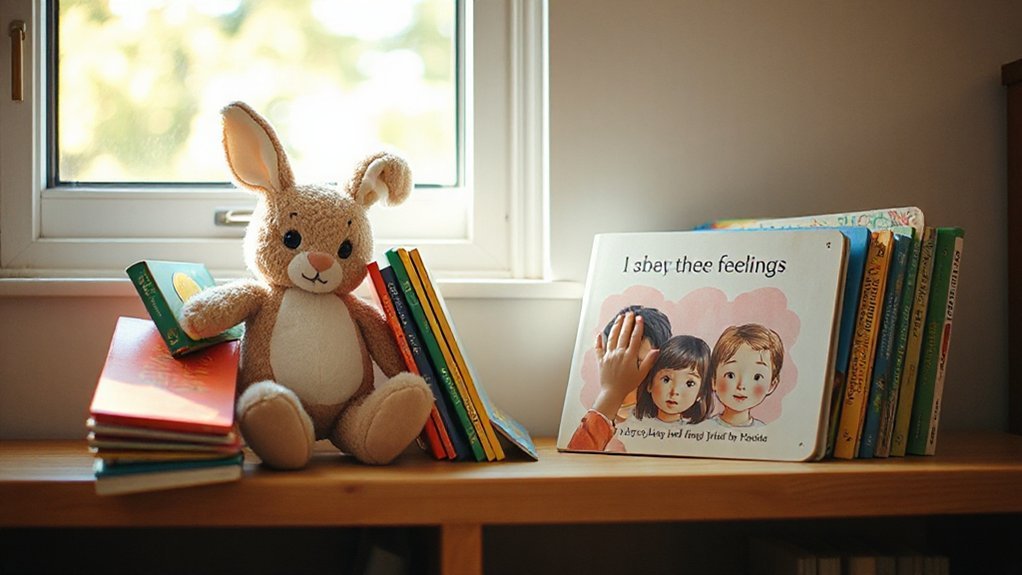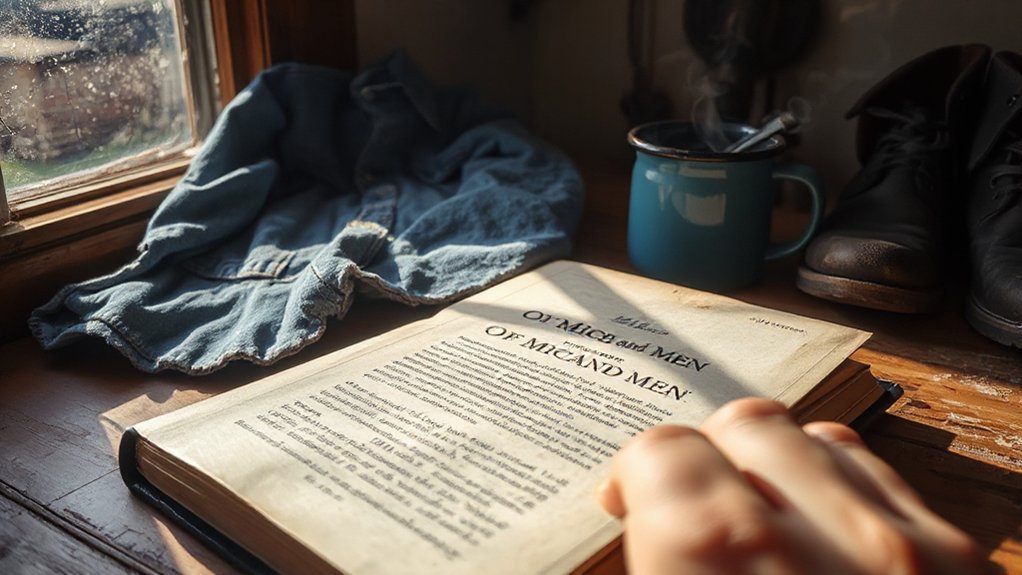
Blog

  • Best Books for People Who Say They “Hate Reading

    Best Books for People Who Say They “Hate Reading

    You say you hate books, and yet here you are—curious, bored, slightly guilty; that’s the whole setup. I’ll be blunt: you don’t need doorstop novels or dusty prose. You need sharp hooks, bright pacing, voice that talks back, a plot you can smell and scenes you can feel—stuff you devour in a night and brag about the next day. Stick with me and I’ll point you to the ones that actually change your mind.

    Key Takeaways

    • Start with short, high-energy novels (under 300 pages) that prioritize brisk plots and witty dialogue to hook reluctant readers quickly.
    • Choose high-concept, cinematic page-turners with clear stakes and fast pacing to make reading feel like watching a thrilling movie.
    • Try graphic novels or illustrated books for visual storytelling that lowers the barrier to reading and boosts momentum.
    • Pick humorous, character-driven stories or absurd reads that entertain first and ask for emotional investment later.
    • Use wildly readable nonfiction or practical mini-guides that teach useful skills through lively storytelling and short, actionable chapters.

    Fast, Funny Fiction That Hooks Immediately

    fast paced humorous engaging stories

    If you’re grimacing at the thought of a dusty, 600‑page doorstop, don’t worry — I’ve got your back and your attention.

    You’ll grab a book that snaps open like a soda, fizzing with humorous plots and sharp pace. I point you to stories that hit quick, slap you with a grin, then keep going, because you’re busy and brilliant, and time’s precious.

    Picture bright dialogue, tactile scenes—coffee steam, sticky subway poles—characters you root for, roll your eyes at, then secretly adore.

    Bright dialogue, tactile scenes—coffee steam, sticky subway poles—and characters you root for, roll your eyes at, then secretly adore.

    I’ll nudge you toward books with engaging characters who do stupid things and somehow win. You’ll laugh, lean in, and finish a chapter before you know it.

    Trust me, resistance melts faster than ice cream on a sidewalk.

    Short Novels You Can Finish in a Weekend

    short engaging weekend reads

    You want a book that grabs you by the collar, not a blizzard of footnotes, so I pick short novels with easy-to-finish plots that don’t ask for a PhD.

    Think under 300 pages, crisp pages you can flip through on a Saturday, opening lines that smack you awake like cold coffee.

    I’ll point you to titles with gripping first sentences, quick scenes that smell like rain and takeout, and endings you can actually brag about Monday morning.

    Easy-To-Finish Plots

    One weekend, I promised myself a real book and not the three-paragraph internet scroll I usually call “reading.”

    I go for short novels because they respect my attention span—no cliffhanger marathons, no maps, no glossary—and I like the satisfying thunk of a finished spine on Sunday night.

    You want plots that move, scenes that click, and endings that land. Pick stories with quick satisfaction, effortless engagement; they open, pull you in, and close before your brain files a complaint.

    I read like a hungry person at a buffet, fast bites, bold flavors. You’ll notice crisp pacing, clean stakes, and characters who reveal themselves in gestures, not lectures.

    Finish a book, feel smart, then sleep well. Try it; you’ll surprise yourself.

    Under 300 Pages

    Because short books show up like reliable friends—no drama, no emotional baggage—you can actually finish them before the weekend ghosts you.

    I bet you’ll love the tidy page count, it’s honest, it promises progress. Pick a compact novel, brew strong coffee, let pages smell like rain and ink, and commit an hour blocks.

    I’ll cheer you on, while you use smart reading strategies: skim scene breaks, mark favorite lines, sprint the dull bits. You’ll feel momentum, skin-tingle satisfaction, that “I did it” grin.

    I joke that my attention span has a snooze button, but short novels wake it up. Try one under 300 pages, taste the rush, then pile another on—habit forms fast, and joy follows.

    Gripping Opening Lines

    If a book hooks you in the first line, you’ll forgive the rest—sometimes even the clunky plot turns.

    I want you to grab novels that fling you into a scene, smell rain on pavement, feel a stranger’s laugh, and then don’t let go. You’ll finish them in a weekend, you’ll relish unexpected twists, and you’ll remember the memorable characters like old friends.

    I talk to you like a co-conspirator, I wink, I admit I’ve been tricked by a clever opener too.

    • Short, sharp first lines that demand attention.
    • Vivid sensory scenes, textures you can almost touch.
    • Quick pacing that respects your time, no filler.
    • Surprising reveals that rewire the whole story.

    High-Concept Page-Turners With Big Payoffs

    high stakes gripping narratives

    When you want a story that grabs you by the lapels and won’t let go, these high-concept page-turners are what I hand to friends who swear they “don’t read.”

    Imagine this: a blindfolded heist in a skyscraper, a runaway AI that writes love letters, a time loop with a ticking subway clock — each book sells its wild premise fast, then delivers a punch that makes you forget your phone exists.

    You’ll plunge into high stakes plots that feel cinematic, smell metal and stale coffee, hear heels on tile, and lean forward.

    I’ll toss you one, you read the first chapter, you’re hooked. Expect unexpected twists, breathless pacing, sharp dialogue, and endings that slap you awake.

    Trust me, resistance melts.

    Wildly Entertaining Nonfiction That Reads Like a Story

    engaging nonfiction reads await

    You’re gonna love these nonfiction books, because they read like thrilling movies, with real people, crisp scenes, and ideas that hit you in the gut.

    I’ll show you fast, page‑turning narratives that pack big concepts into short, snackable chapters, and I’ll admit, I sometimes laugh out loud in public trying to sound discreet.

    Grab a mug, get comfy, and let me shepherd you through true stories that feel fictional — vivid, sharp, and impossible to put down.

    True Storytelling Power

    Because some nonfiction reads like a TED talk and others read like a tax form, I’ve learned to sniff out the books that actually grab you by the lapels and tell a story—loud, messy, impossible to ignore.

    You want true storytelling that feels alive, not lessons dressed up as lectures. I point you to writers who use narrative techniques like scene, detail, and character to make facts feel cinematic.

    You’ll smell coffee, hear subway screeches, see a minor hero stumble and then win. I’m the nerd who cheers for the messy bits, because innovation needs grit, not satin.

    • Start with a vivid scene, drop you into motion.
    • Use concrete sensory detail, avoid abstractions.
    • Let characters reveal facts, not footnotes.
    • Pace revelations like beats in a demo.

    Page‑turning Narratives

    I said I love messy storytelling, but now let me confess something: I also love being entertained, hard—books that yank you forward like a grabby subway strap.

    You want nonfiction that reads like a movie, right? You want sharp scenes, tactile details, the smell of spilled coffee in a tense office, footsteps on rain-slick pavement.

    I pull you into chapters with enchanting characters, folks who feel alive, flawed, ridiculous. I drop you into dialogue, then shove an unexpected twist under your jaw.

    You laugh, you frown, you keep turning pages. These books teach by showing, they surprise you, they make complex stuff human, relatable.

    Pick one, plunge in, and let the momentum do the convincing.

    Big Ideas, Fast

    When a book promises a big idea and delivers it like a punchline, I forgive the guilty pleasure of learning while being entertained. You’ll zip through crisp chapters that feel like scenes, tasting neon-bright metaphors, hearing the author’s laugh in your head, and wondering how nonfiction became your new vice.

    These books turn reluctant readers into curious accomplices, they cheat the solemn tone of reluctant genres, and they hand you insights with a wink. You won’t slog, you’ll sprint.

    • Short, kinetic chapters that read like movies, not manuals.
    • Vivid anecdotes that show, don’t preach, innovation in action.
    • Humor that punctures jargon, keeps you grinning and thinking.
    • Takeaways you can use tomorrow, no grad school required.

    Graphic Novels and Illustrated Books for Reluctant Readers
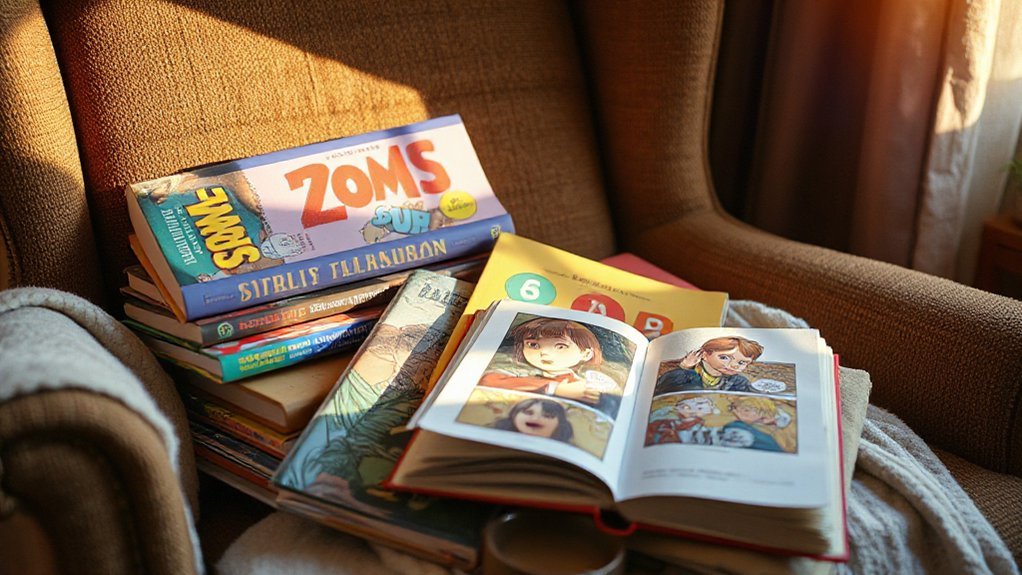
    engaging graphic novels await

    If you’ve ever rolled your eyes at a brick of text and sworn off books forever, graphic novels are your secret back door — and yes, you’ll feel slightly guilty for enjoying them so much.

    I’ll hand you graphic novel recommendations that feel like bingeable shows, panels that pull you in, and pacing that won’t waste a minute. You touch paper, see color, hear a scene in your head.

    Illustrated book suggestions bring design-forward stories, clever layouts, and humor that lands like a wink. You’ll flip pages, laugh out loud, maybe cry, and wonder why you waited.

    Design-forward illustrated books—clever layouts, wink-of-a-humor, pages that make you laugh, cry, and wonder why you waited.

    Try something bold, sensory, and fast. I promise, you’ll call it “reading” by the second chapter, begrudgingly proud.

    Short Story Collections That Let You Bite-Sized Read
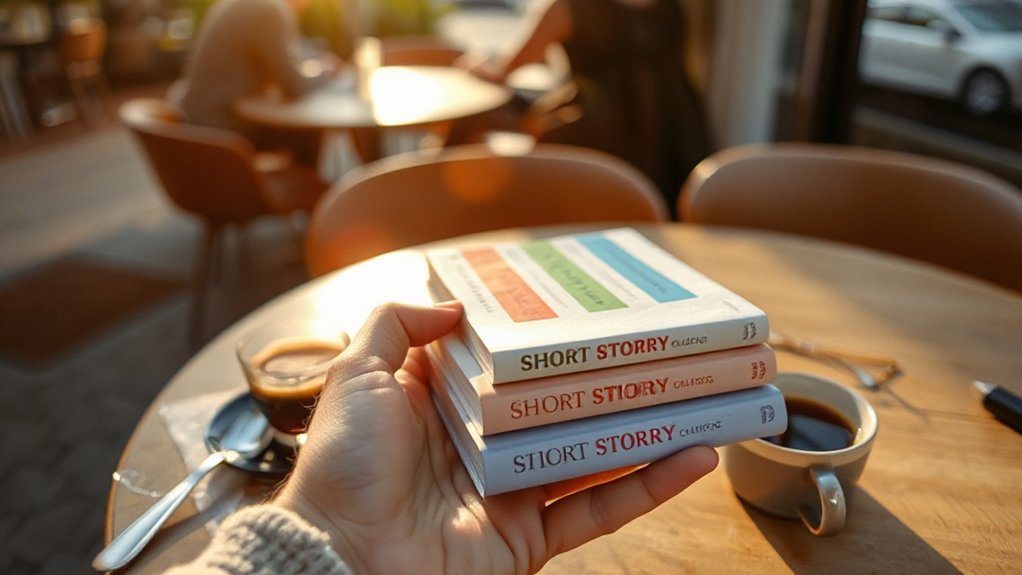
    bite sized stories for enjoyment

    You’ll love short story collections because you can finish a whole story on your lunch break, smell the coffee, and feel oddly accomplished.

    I’ll hand you a sampler of quick, complete reads that flip moods and genres like a jukebox, so you can test what sticks without committing to a 400-page epic.

    Trust me, it’s the zero-pressure way to find a voice you actually want to hear, and I promise I won’t make you read anything called “War and War and War.”

    Quick, Complete Reads

    I’ll admit it: I once judged books by their page count, which is how I learned to love short story collections—one sitting, one mood, one satisfying click of a story done.

    You get quick satisfaction, instant gratification, and an easy win, and that changes reading from chore to tiny adventure.

    You can taste different voices, close a story with a smile, and move on, like sampling brilliant bites at a literary buffet.

    I’ll nudge you toward bold, compact work if you want innovation without commitment; you’ll finish, feel clever, and want more.

    • Sharp openings that hook in a sentence or two
    • Scenes that land like punchlines
    • Voices that surprise and stick
    • Endings that feel complete, not clipped

    Story Variety Sampler

    Some evenings I want a whole novel, other nights I want a single, brilliant bite—so I keep a stack of short story collections by my bed like tiny, patient friends.

    You’ll love them if you crave variety, because each piece is a lab for storytelling techniques, a quick taste of different narrative styles, and you can jump from noir grit to surreal sparkle in one night.

    You pick a story, sink into its texture, hear dialogue clack, smell rain on pavement, and you’re satisfied before sleep.

    I’ll admit, I sometimes judge a collection by its opener, then get surprised, delighted, humbled.

    Read one, stop, start another. It’s modular reading, playful, exact — perfect for people who say they “hate” reading.

    Memoirs With Razor-Sharp Voice and Relatable Drama
    vivid honest memoirs await

    If you’re convinced memoirs are just dusty family albums with footnotes, let me shove a brighter, stranger one under your nose—these books don’t politely ask for your attention, they yank it with a grin.

    I’ll tell you straight: you’ll get raw honesty and emotional resilience, scenes that smell like frying onions and wet pavement, voices that snap like fresh elastic. You’ll laugh, wince, and nod because the narrator talks to you, confesses, then dares you to look away.

    • Intimate kitchen-table confessions, immediate and unfiltered.
    • Sharp, comic timing that flips pain into odd beauty.
    • Plainspoken lessons about surviving, then living.
    • Short, vivid chapters that feel like espresso shots.

    Pick one, fold a corner, start now.

    Clever, Fast-Moving Thrillers That Keep You Turning Pages

    clever gripping page turning thrillers

    When the plot grabs you by the collar, you don’t have time to be polite—your heart races, your coffee goes cold, and you read one more chapter because you swore you wouldn’t.

    When the plot grabs you by the collar, you forget sleep, sip cold coffee, and read one more chapter.

    I talk to you like a co-conspirator, nudging you toward thrillers that sprint: sharp chapters, neon pacing, and smart plot twists that don’t insult your intelligence.

    You’ll feel pages slip under your fingers, hear rain on a hotel roof, taste stale gum in a witness’s mouth.

    The characters aren’t props, they evolve—character development shows in tiny habits, in cracked jokes, in choices that hurt.

    I’ll point you to lean prose, punchy dialogue, moments that make you laugh, then gasp.

    Pick one, skip sleep, thank me later.

    Practical, Useful Books You’ll Actually Use

    practical guides for success
    • A compact guide to productivity hacks, with step-by-step routines and quick wins.
    • A hands-on creativity workbook, full of exercises you can do in ten minutes.
    • A clear manual on personal finance, with checklists and real-case scenarios.
    • A field guide to everyday tech, teaching useful tips and shortcuts.

    Pick one, act, and savor the small wins.

    Absurd, Weird, and Delightfully Strange Reads
    delightfully absurd literary adventures

    Curious what happens when you hand a sober person a neon rubber chicken and tell them to take it seriously? I’ll tell you: you grin, you blink, you’re hooked.

    You’ll meet quirky characters who argue with elevators, and you’ll follow unconventional plots that bend like light through a prism.

    Meet eccentric souls who bicker with elevators and ride plots that refract like light through a kaleidoscope

    I guide you into rooms that smell like burnt caramel and wet cardboard, where a narrator whispers stage directions and then throws confetti.

    You’ll read quick scenes, laugh out loud, then pause, thinking—wait, did that mean something?

    I wink at you, confess I don’t always get it either, but that’s the fun.

    These books reward curiosity, risk, and a taste for playful disorder.

    Pick one, jump in, don’t overthink it.

  • Best Books for Book Clubs With Lots to Discuss

    Best Books for Book Clubs With Lots to Discuss

    You’ll want books that grab you by the collar and won’t let go, ones that make you argue, cry, and change your mind mid-sip of coffee; I’ve picked titles that tug at identity, power, love, and moral gray areas, so you’ll leave meetings buzzing and occasionally embarrassed by what you admit aloud. I’ll list them, tell you why they work, and give quick prompts you can throw at the group—if you like tension, start here.

    Key Takeaways

    • Choose novels with moral ambiguity and complex choices that spark debate about right, wrong, and consequences.
    • Pick books that explore identity, race, class, or gender to prompt personal and societal discussion.
    • Select emotionally rich, sensory-driven narratives that elicit strong reader reactions and personal connections.
    • Include multi-generational or historical stories that encourage debate about context, loyalty, and resilience.
    • Favor character-driven novels with ambiguous endings or moral dilemmas to sustain conversation after the meeting.

    The Vanishing Half by Brit Bennett

    identity choices heritage resonance

    If you haven’t read The Vanishing Half yet, you’re in for a ride—and yes, I’ll forgive you if you judged it by the cover first.

    I’ll tell you straight: you’ll care, you’ll squirm, you’ll want to talk. You follow twins who split paths, one passing into white society, the other staying put, and you feel the push and pull of identity dynamics like a tug-of-war in your chest.

    You’ll smell sunburned asphalt, taste cheap diner coffee, hear whispered rumors. Bennett makes racial heritage a living thing, and you’ll notice how choices echo across years.

    Smell sunburned asphalt, sip diner coffee, hear whispered rumors—Bennett makes heritage palpable, choices reverberating across years.

    I nudge you to lead the discussion, bring hot takes, admit when you’re wrong—then watch the group light up.

    The Night Watchman by Louise Erdrich

    belonging identity laws conflict

    Okay, you’re holding Louise Erdrich’s The Night Watchman, and you’ll feel the prairie wind on your face as the book asks who gets to belong where.

    I’ll point out the sharp questions about Native identity and tribal rights that make your group squirm in the best way, and we’ll argue over the moral gray of laws that claim to protect but often punish.

    Tell me which scene made you wince first, and I’ll confess mine—then let’s howl about it.

    Native Identity and Rights

    When I first opened The Night Watchman, I didn’t expect to be soothed and riled up at the same time, but that’s Louise Erdrich for you—gentle as a lullaby, sharp as a kitchen knife.

    You feel the earth under your boots, hear council whispers, taste coffee gone cold on a porch, and you notice how cultural representation hums through every scene, how identity politics and historical trauma sit at the table, sweating.

    You watch sovereignty issues clashed with federal papers, see community resilience in kitchen chatter, sense intersectional identity in layered lives.

    You smell burned toast, laugh at a crooked joke, then brace for indigenous rights and cultural preservation debates, for assimilation challenges, for fierce self determination.

    You leave changed.

    Moral Ambiguity of Law

    You could sit on the porch with the coffee I mentioned and watch the legal papers pile up like winter mail—stamped, folded, threatening—and feel your stomach tighten.

    I’ll tell you straight: Erdrich makes you squint at justice versus morality, she nudges you to choose, then laughs when you can’t.

    You smell rain, cardboard, and old ink, you touch the weary badge, you hear arguments in a diner booth.

    Scene flips: a courtroom, then a kitchen table, then a vigil.

    You’ll argue legality versus ethics, you’ll defend statutes, then cry when a neighbor does the kind thing that breaks the law.

    I’m biased, of course, I want messy questions, not tidy answers—so bring snacks, and sharp opinions.

    Normal People by Sally Rooney

    emotionally charged relationship dynamics

    Three scenes stuck with me: a crowded school hallway that smelled like gym socks and shampoo, an empty car at dusk where two people barely said anything, and a college lecture hall that felt like a stage.

    I tell you, reading Normal People feels like sleuthing relationship dynamics, class differences, and emotional intimacy all at once. You’ll watch unspoken tensions, personal growth, and societal expectations collide; you’ll notice power imbalance and the duality of love; you’ll wince at communication barriers.

    I narrate moments, I snip dialogue, I point to vulnerability exploration with a wink. You’ll feel textures, breath, the clack of shoes. It’s innovative in its quiet. It’s honest, funny, a little cruel, but it teaches you how to read someone without them saying a thing.

    The Goldfinch by Donna Tartt

    art as grief s mirror

    You’ll feel the paint under your nails just reading this, as Theo’s obsession with a stolen painting drags you through smoky rooms and cluttered studios, and yes, it’s as messy and intoxicating as it sounds.

    I want us to talk about how art becomes a talisman for grief and a mirror for identity, how possessions start to hold people’s stories and the smell of old varnish turns into memory.

    Say something bold, or confess a small, useless sympathy for Theo—I’ll admit I’m half on his side, and we’ll argue it out.

    Art and Obsession

    If a painting could follow you home, it’d probably be the kind that won’t stop whispering, and that’s my point with The Goldfinch: it grabs you by the lapels and won’t let go.

    You feel artistic expression buzzing, a brushstroke that refuses to be polite. I watch Theo chase the creative process like it’s a subway train, messy, urgent, impossible to catch cleanly.

    You’ll debate obsession themes, art’s influence on choice, passion vs. sanity, and whether artistic integrity survives compromise. The book digs into identity exploration with psychological depth, it smells like turpentine and cigarette smoke, it hums with cultural impact.

    You’ll squirm at obsession in relationships, laugh at my obvious bias, then admit you’re hooked, too.

    Grief and Identity

    Though grief climbs into your lap like an unwanted cat and refuses to leave, I’ll tell you why it becomes the heart of The Goldfinch: Donna Tartt turns mourning into a character you can’t ignore.

    I watch Theo stumble through loss and recovery, smell dust in museum halls, taste stale airport coffee, and feel cultural displacement prick his skin.

    You’ll track personal transformation, identity struggles, and family dynamics that bruise and teach.

    I poke fun at my own attempts to explain, then get serious about emotional resilience and societal expectations that box him in.

    Dialogues snap, scenes shift from opulent galleries to dingy rooms, and healing journeys mix with existential questions.

    It’s messy, bold, and about self discovery.

    Pachinko by Min Jin Lee

    cultural identity and survival

    A crowded train platform in 1930s Busan is where I first met this book, though not literally—I met it in a living room, under a lamp, the smell of instant coffee thick in the air.

    You’ll follow families across decades, taste salt air, feel the grit in your teeth as identity is tested, and notice how cultural identity threads through everything, stubborn as a coin in your pocket.

    I’ll nudge you toward scenes that sting, offer lines to read aloud, provoke debate about loyalty and survival. The prose moves like a low tide, patient and relentless.

    I’ll steer you to scenes that sting, hand you lines to read aloud, and leave you arguing long after.

    You’ll argue, laugh, wipe a stray tear, then argue some more. It’s big, humane, and refuses easy answers—exactly the kind of book your club will live on.

    The Silent Patient by Alex Michaelides

    psychological thriller debate prompts

    One night, I pulled this book off a bargain table and couldn’t stop thinking about it until dawn. I tell you this because you’ll get hooked fast, the psychological thriller’s grip tightens as narrative perspective shifts.

    You smell antiseptic in a hospital room, you taste cold coffee, you flip pages. You’ll argue about mental health, trauma recovery, artistic expression, trust issues, guilt and redemption, relationships dynamics, isolation themes, and emotional manipulation.

    I guide discussion with three sharp prompts:

    1. How does the shifting point of view alter sympathy?
    2. Which scenes show art as confession or escape?
    3. Where do trust issues seed redemption or ruin?

    I joke, I probe, I admit I cried on public transit — discussable, right?

    A Little Life by Hanya Yanagihara

    trauma bonds and resilience

    If you can handle a book that loves you and then refuses to be gentle, settle in—I’ll warn you, this one goes deep and it stays.

    I tell you straight: A Little Life will rearrange your insides. You’ll trace trauma bonds, watch friendship dynamics stretch like honest rope, and feel love and loss as if you’re pressed up against the glass.

    A Little Life will rearrange your insides—trauma bonds stretch friendship into raw, unflinching intimacy.

    I narrate scenes you’ll taste—hot coffee, rainy sidewalks, hospital lights—then pivot to resilience themes and identity struggle, because Yanagihara isn’t sentimental, she’s surgical.

    You’ll argue about societal expectations, gasp at loyalty, laugh once, then wipe your face.

    Read it for bravado, read it for sorrow, read it to talk for hours — I dare your book club to stay silent.

    Circe by Madeline Miller

    power identity redemption transformation

    You’ll notice Circe grabs power the same way she seasons food — cautiously, then with a fierce, unapologetic hand, and you’ll want to talk about how that shapes her sense of self.

    I’ll admit I cheered when she stood up to the gods, you might’ve laughed at the raw, human moments that make immortals feel oddly familiar.

    Let’s pick a few passages where identity shifts, and argue over whether reclaiming power redeemed her, or simply changed the rules.

    Power and Identity

    Because power in Circe isn’t served on a silver platter, it sneaks up on you, claws out, and then makes tea.

    I pull you into scenes where power dynamics and identity formation clash, you smell brine, you taste bitterness, you feel both sting and sweet.

    You track cultural representation and intersectional identities as Circe carves personal agency from myth, resisting societal expectations and probing privilege and oppression.

    You witness self discovery journeys that reshape collective identity and rewrite historical narratives.

    1. You see power as labor, messy and tactile.
    2. You feel identity as armor and gift, worn and shed.
    3. You judge gods, empathize with mortals, then surprise yourself.

    You leave thinking, laughing, slightly changed.

    Humanizing the Gods

    I watched Circe pry apart gods like old clockwork, and then I found myself staring at what was inside.

    You turn pages and touch divine relationships, feel mythic interpretations retooled into everyday speech, notice human flaws glittering on immortal skin.

    You hear waves, salt, a witch humming, and you’re pulled into emotional connections that sting, then soothe.

    You’ll argue moral dilemmas at brunch, map power dynamics aloud, and watch transformative journeys reshape a life, a semigod, a coastline.

    The book asks existential questions with a wink, serves redemption arcs like small, stubborn gifts.

    It’s clever, sweaty, intimate; I laugh at my own shocked face.

    Read it, stir debate, and expect your club to get a little holy, and a lot human.

    The Power by Naomi Alderman

    power dynamics and revolt

    When a spark turns into thunder, you notice—hair on your arms, the room humming, people leaning in like something electric just walked through the door.

    I talk to you like we’re plotting revolt, because Alderman’s novel makes you test assumptions about gender dynamics and societal power, and it’s deliciously unsettling. You’ll argue, laugh nervously, then hush.

    1. Plot: quick, kinetic, you feel scenes as tactile jolts.
    2. Themes: reversal, ethics, who holds force and why.
    3. Discussion hooks: moral gray zones, media’s role, personal responsibility.

    You’ll want bold questions, not safe ones. I’ll admit I cheered at parts I shouldn’t have—don’t tell anyone—and you’ll leave buzzing, ideas crackling, already drafting your meeting notes.

    An American Marriage by Tayari Jones

    love loyalty justice sacrifice

    Three scenes will keep replaying in your head after you finish Tayari Jones’s An American Marriage, and yes, they’ll come at awkward times—while you’re washing dishes, while the bus lurches, in the quiet just before sleep.

    I walk you through prose that hooks love and loyalty against race and justice, and it stings. You’ll smell coffee, hear courtroom echoes, feel a ring slip off a finger.

    Marriage and commitment wobble under incarceration impact, societal expectations, and personal sacrifice. You’ll notice resilience and strength in small gestures, communication barriers in missed letters, identity struggles in lonely rooms.

    I joke to mask the ache, then get serious: this book asks you to weigh forgiveness and healing, to debate who you’d be, and what you’d do, if life pushed your vows.

  • Best Picture Books for Bedtime Stories

    Best Picture Books for Bedtime Stories

    You’re kneeling on the rug, tiny feet wiggling, and you want a book that calms without boring; I’ve got a short list that does both. You’ll find lullaby rhythms, soft color palettes, and characters who whisper more than shout; you’ll smell warm milk, feel the page edges, and laugh at the bits that sneak past your own bedtime defenses. Stick around—there’s a perfect pick for tonight, and it’s not the one you think.

    Key Takeaways

    • Choose gently paced picture books with calming language and predictable arcs to soothe bedtime routines.
    • Prefer rhythmic or lullaby-style texts that invite soft read-aloud cadence and simple participation.
    • Pick imaginative, cozy adventures that spark dreamy curiosity without overstimulating before sleep.
    • Keep short, interactive reads and tactile board books handy for quick, reassuring bed moments.
    • Include diverse, inclusive stories that reflect your child’s world and expand empathy before lights-out.

    Calming Classics for Every Night

    calming bedtime story traditions

    When the day finally exhales and you’re collapsing onto the couch, let me be blunt: these calming classics are your bedtime secret weapons.

    When the day exhales and you collapse, these calming classics become your bedtime secret weapons—simple, steady, and soothing.

    You’ll pull a soft cover toward you, feel the worn spine, and know the next ten minutes will matter. I’ll nudge you toward books that build storytime traditions, ones with gentle pacing, cozy illustrations, and predictable arcs that steady breath.

    You’ll see characters yawning, hear whispered lines in your head, and start your own bedtime rituals without thinking. I’m not promising magic, just reliable cozy science: repetition soothes, familiar language lowers lights in your brain, and tactile pages anchor tiny hands.

    Try a ritual, stick to it, and watch calm become a habit.

    Lullabies and Rhythmic Read-Alouds

    lullabies for bedtime calm

    Because a steady beat can quiet even the wildest bedtime wiggles, I lean hard on lullabies and rhythmic read-alouds like they’re handfuls of sand for a restless hourglass.

    You’ll want books that sing, so pick ones with clear lullaby melodies and tight rhythmic patterns, ones you can hum between lines.

    I show up with a soft voice, a finger tapping the page, and you watch yawns form like tiny flags.

    Try alternating cadence, slow then quick, let consonants click, vowels melt, create a tiny drumroll before the last line.

    You’ll see pages breathe, hear toes settle.

    It’s playful ritual, a low-tech remix, and yes, sometimes I hum off-key—kids forgive that kind of brave flop.

    Soothing Stories for Anxious Kids

    gentle routines for anxious kids

    You’ll spot little cues in the pages — a character folding a blanket, the hush of rain on a porch — that signal it’s time to breathe and tuck in.

    I’ll point out stories that quietly teach tiny routines, and show one- or two-line worry tools kids can repeat like a cozy chant.

    Trust me, they work better than my singing, and they give anxious minds a gentle, tangible way to let go.

    Calming Routines Cues

    If you want bedtime to stop feeling like a tightrope act, I’ve got your secret weapon: calming routine cues—small, repeatable rituals that tell your kiddo their brain can finally exhale.

    You’ll build a low-tech orchestra: a dimmer click, a lavender puff, a specific storybook pulled from the shelf. These cues turn bedtime rituals into signals, they reshape the room into peaceful environments, they make changes obvious, almost cinematic.

    Say the same phrase, tuck the same stuffed pal, hum the same two-note tune. Your kid learns the script, you get fewer negotiations, and yes, you may feel like a tiny stage director.

    It’s simple, elegant, and slightly magical. Try it tonight, tweak tomorrow, bask in quieter sighs.

    Gentle Worry Tools

    When little worries start whispering at lights-out, I like to bring out a gentle story that acts like a tiny, brave flashlight for their brain — we read, breathe, and let the plot do the heavy lifting.

    You’ll sit close, feel the book’s spine, hear pages whisper, and watch how simple scenes tame big thoughts. I point to worry characters, give them names, then invite your child to poke them with a silly question.

    We count breaths, trace moonbeams on the page, and fold gentle reminders into the dialogue: “That worry’s small, try a deep breath.”

    It’s playful, practical, and oddly futuristic — story as toolkit. You’ll laugh, they’ll sigh, and bedtime becomes a lab for calm.

    Gentle Tales for Toddlers and Preschoolers

    soothing bedtime story selections

    You want bedtime to feel like a gentle hush, so I pick books with soothing rhythms that almost rock the room, the words rolling like a soft drum against your palm.

    I’ll point out titles with simple, repetitive text that kids can finish for you, and calming illustrations that glow in dim light—muted colors, sleepy shapes, little hands reaching for familiar pages.

    Trust me, you’ll probably end up mouthing the lines, pretending you meant to memorize them, and smiling as the room drifts into quiet.

    Soothing Rhythms

    Because bedtime should feel like a soft exhale, I reach for books that hum rather than shout—those tiny lullabies you can read with one eye closed and still nail the cadence.

    You’ll notice soothing sounds stitched through pages, little sonic cues that melt squabbles and scrub-along energy. I tap rhythms with a finger on your knee, you match my breath, we sync—simple, but electric.

    Rhythmic patterns carry you both into calm, they’re the scaffolding for imagination without pyrotechnics. You’ll pick titles that breathe, illustrations that whisper, lines that fold into a soft nest.

    I’ll admit, I sometimes read like a metronome, which is ridiculous and effective. Try it tonight, watch wiggles settle, and take the victory lap to the kitchen.

    Simple, Repetitive Text

    A few simple lines can do the heavy lifting at bedtime, and I keep a small arsenal of them on my nightstand.

    You’ll love how repetitive phrases soothe, invite participation, and build predictability without dulling wonder. I read, you repeat, we both inhale the calm; it’s practically a mini experiment in trust.

    • A chorus of animal sounds, kids joining in
    • A count-down sequence, hands on knees
    • A repeating question, little answers pop up
    • A sing-song refrain, softening at the end
    • A rhythmic step sequence, tuck, pull, sigh

    You’ll notice engaging illustrations that reward each repeat, clever visual callbacks, and a tiny laugh when I mess up the order — innovation in tiny bites, bedtime made brilliant.

    Calming Illustrations

    Soft pastels and sleepy shapes are my secret weapons at bedtime, and I’ll admit—I use them like mood lighting for little hearts.

    You’ll spot dreamy landscapes that stretch like soft breaths across a page, and tranquil colors that hush the room. I point to a moon painted in peach, you sigh, the child mimics you, and bedtime wins.

    The art keeps action simple, textures gentle, edges rounded, so tiny hands and busy minds calm down. I’ll show you spreads where clouds feel touchable, where a fox yawns in a puddle of lavender, and you’ll laugh at my theatrical whisper.

    Innovative pictures don’t shout; they invite. They guide eye and breath, they tuck you both into sleep.

    Imaginative Adventures for Dreamy Bedtimes

    imagination fuels bedtime adventures

    When night tucks the house under a quilt of quiet, I grab a book and strap on my imagination like it’s a cape, because honestly, pajamas are way more fun when they double as costume.

    When night tucks the house in, I pull on my imagination-cape—pajamas ready for passport-free adventures.

    You get swept into magical journeys that spark curiosity, and you watch whimsical dreams unfold, vivid as constellations on the ceiling.

    I narrate in a low, secret voice, we turn pages, we tiptoe past moonlit pirates and polite dragons.

    You’ll love books that feel like portals, experiments in wonder.

    Try these sensory seeds:

    • A moon-salted sea, where you taste salt and sing to constellations.
    • A garden that hums, leaves like velvet under your fingers.
    • A cloud train, fluffy and slightly electric.
    • A clock that smells of cinnamon.
    • A map that giggles when you touch it.

    Cozy Stories for Parent-Child Bonding

    cozy bonding through storytelling

    Even if you’re tired and your feet feel like stuffed socks, sit down with me and let’s make this hour ours, because cozy stories are less about perfect lines and more about the small, crooked rituals that stitch you two together.

    You flip a soft page, I hum a silly tune, and we build cozy connections with whispers, page-turns, and the glow of a nightlight that smells like burnt toast—don’t judge me, it’s nostalgic.

    You’ll find books that invite gentle touch, repetition, and humor that lands even when you’re yawning.

    I’ll point out quiet beats to linger on, encourage silly voices, and nudge you toward nurturing moments that become traditions, not timed chores.

    It’s bonding, upgraded.

    Short Reads for Busy Evenings

    quick cozy bedtime reads

    Cozy rituals are great, but some nights you’ve got five minutes, a toddler on your hip, and a bedtime that won’t be negotiated; I get it, I’ve read the same two-sentence book till my tongue went numb.

    You want quick reads that feel deliberate, not lazy, evening rituals that honor calm. I’ll hand you micro-stories that land like a warm blanket, fast.

    • A 60-second rhyme that makes you both giggle, then sigh.
    • A picture-led page that says everything without eleven words.
    • A tactile board book you can read one-handed, eyes half-closed.
    • A predictable refrain the kid can chant, you can half-join.
    • A silly, surprising twist that ends on a hush, not a jolt.

    You’ll sleep better knowing bedtime can be brilliant, even rushed.

    Diverse Voices and Inclusive Bedtime Books

    diverse bedtime stories matter

    Because bedtime stories should feel like you and your child belong on the same page, I hunt for books that hand you mirrors and windows—fast.

    I seek bedtime books that hand families quick mirrors and windows—stories that feel like home, instantly.

    You’ll sniff bright inks, feel textured pages, and see faces that look like yours, or not, which sparks curiosity. I lean into cultural representation, you get new rhythms, flavors, and lullabies rolled into one cozy read.

    I point out diverse characters, small gestures, big laughs, and honest questions. We flip pages, pause at a patterned dress, murmur a foreign phrase, laugh at a pratfall, then tuck in.

    You’ll build empathy, broaden taste, and sleep easier knowing the bedtime shelf reflects a wider world. Yes, I’m picky — but you’ll thank me.

  • Best Children’s Books Every Parent Should Own

    Best Children’s Books Every Parent Should Own

    Remember how Alice fell through a hole and found a world that changed her—well, your bookshelf can do the same for a small human. I’ll walk you through sturdy board books that survive baths, picture books that teach kindness without being preachy, and cozy bedtime tales that smell like warm milk and tuck-in hugs. You’ll get classics, diverse voices, and a few clever lift-the-flap cheats—stick around, I’ve saved the best for last.

    Key Takeaways

    • Include durable board and interactive books that survive toddler play and encourage touch, peek-and-reveal exploration.
    • Choose picture books that teach empathy and name emotions to build emotional intelligence and discussion.
    • Keep classic imaginative stories that spark curiosity, “what if” thinking, and playful read-aloud routines.
    • Add diverse, inclusive titles so children see themselves and learn about different families, cultures, and abilities.
    • Have calming bedtime reads and short, confidence-building texts for predictable, cozy nightly rituals.

    Board Books That Withstand Sticky Fingers

    durable board books essential

    One thing I learned fast as a parent: sticky fingers are relentless, and your average paperback will surrender within a week.

    One truth as a parent: sticky fingers win, and paperbacks don’t stand a chance.

    I tell you this because board books win, hands down. You’ll want titles built from durable materials, pages that shrug off drool and cookies, edges that stay intact after a toddler’s apocalypse.

    I pick books with sensory textures, tabs, and peek-throughs—little inventions that keep tiny hands curious and brains firing. You’ll flip, they’ll press, you’ll laugh when a finger smudges a lion’s mane that actually feels fuzzy.

    I admit, I judge a book by its heft now, and I carry a small arsenal in the diaper bag. Trust me, innovation for toddlers is just smart design in miniature.

    Picture Books That Teach Empathy

    empathy through engaging storytelling

    If you want a shortcut to raising a kinder kid, start with picture books that make feelings feel real—then read them aloud until your voice is hoarse and the cat hides.

    I recommend curated empathy building titles that pair bright art with small, electric scenes. You’ll feel textures, see spectacled eyes well up, hear footsteps of hesitation.

    I narrate, the child leans in, we both mimic a shaky breath. Compassionate storytelling here is deliberate, fresh, sometimes cheeky, and always honest.

    You’ll improvise voices, ask a blunt question, pause for silence. These books teach perspective by staging little social experiments on the couch, they model apologies, curiosity, brave listening.

    You’ll laugh, stumble, learn — and the world gets slightly softer.

    Classics That Spark Imagination

    imaginative adventures through classics

    Magic lives on the page, and I’ll bet you know the smell of it—the dust of old paper, that faint lemon of library glue, the way a spine cracks like a tiny promise.

    I pull classics from the shelf, hand them to you, and watch your eyes widen. You’ll meet whimsical worlds that feel lived-in, characters who talk back, and maps you’ll trace with a fingertip.

    These books invite imaginative adventures, they teach you to dream in high resolution, and they nudge you to ask, “What if?”

    I confess I steal moments to reread, to revisit that first gasp. Read aloud, listen close, pause for jokes, act out the silly parts.

    You’ll return, every time, smiling.

    Diverse Stories for Every Child

    diverse stories for children

    You’ll spot characters who look, sound, and live like your kids do, in picture books that put representation front and center, and yes, I cheer when a toddler sees themselves on the page.

    Picture a family breakfast with spice-scented air and laughter in two languages, or a playground where a child in a wheelchair races a friend—those multicultural family stories and portrayals of diverse abilities and identities teach empathy without preaching.

    I’ll point out great titles, crack a joke or two, and hand you books that’ll make bedtime both comforting and eye-opening.

    Representation in Picture Books

    How do I pick just one picture book to show a child their own face on the page? You scan shelves, flip glossy spreads, and squint at tiny captions, wondering which cover will make their eyes widen.

    I urge you to seek inclusive narratives, crisp illustrations, and bold cultural representation that smells like turmeric, rain, and new crayons. You’ll want stories that let a kid point and say, “That’s me,” then laugh, learn, and build identity like Lego.

    I’ll admit, I sometimes grab books for the art, not the lesson—guilty—but you’ll learn to read textures, tones, and accents in pictures.

    Pick books that mirror, surprise, and invite questions, so every bedtime becomes a small revolution.

    Multicultural Family Stories

    If you loved hunting for that one picture book that looks — and smells — like your kitchen, you’ll find the same thrill in multicultural family stories, where families stack like colorful Tupperware and every lid fits somewhere.

    You’ll open pages that clatter with chopsticks, hum with lullabies, and smell spices you can almost taste. I point you to books that teach multicultural traditions through bedtime routines, holiday meals, and backyard play, honest and inventive.

    You’ll see global family dynamics—grandparents swapping stories, cousins plotting mischief, parents juggling work and joy. Read aloud, you’ll laugh, you’ll learn a phrase, you’ll wipe a pretend tear.

    These books sparkle with real homes, practical warmth, and joyful invention.

    Diverse Abilities & Identities

    When a story lands in your lap and the main kid uses a wheelchair, signs with their hands, or loves wearing sparkly nail polish while declaring they’re nonbinary, you’ll feel that tiny, electric click of recognition—like finding the exact sock you didn’t know was missing.

    I’ll say it plainly: you want books that spark wonder and shift minds. You flip pages, smell ink, watch a kid zip past in a manual chair, hear fingers sign hello, taste the glitter on a brave kiss.

    These inclusive narratives build empathy, they teach ability awareness without pity, and they make playdates richer. Read aloud, mimic signs, ask questions, laugh at clumsy pronoun flubs, and return to the book again — that’s where change starts.

    Books That Make Bedtime Cozy

    cozy bedtime reading rituals

    Because bedtime should feel like a secret you’re both in on, I’m picky about the books that make the list; they’ve got to smell like warm milk and sound like a hug.

    You’ll pick titles that support bedtime routines, that fold into rituals and signal calm, not chaos. I want cozy narratives with soft textures in language, scenes you can almost touch, and characters who whisper rather than shout.

    You’ll read slowly, pause for breath, point to a moon, tuck a blanket tighter — tiny actions that lock in safety. I promise clever lines that land, a bit of silliness you can fake-stern, and pages that dim the world.

    These are the books that turn yawns into smiles, reliably.

    Rhyming and Read-Aloud Favorites

    engaging rhymes ignite imagination

    Since rhyme gives your reading an instant drumbeat, I pick books that make your voice bounce and the room lean in—your cadence becomes part of the show, and kids can’t help but join.

    You’ll love how playful language snaps like a finger, how rhythmic storytelling makes small bodies sway. I read slowly, then sprint, I whisper, then belt a silly line—you’ll hear gasps, then giggles.

    Playful language snaps, rhythm makes little bodies sway—whisper, sprint, belt a line, and hear giggles.

    • Choose titles with strong beats, bold illustrations, and call-and-response hooks.
    • Favor predictable riffs that let kids finish your lines, and invent goofy voices.
    • Rotate fresh, experimental poets for innovation, but keep classics for comfort.
    • Use props, pauses, and a drumroll, watch imaginations explode.

    You’ll sound like a performer, and you’ll actually enjoy bedtime.

    Nonfiction Books That Feed Curiosity

    curiosity through engaging nonfiction

    If curiosity had a taste, it would be that sharp, fizzy zing you get from biting into a lemon—surprising, a little loud, and impossible to ignore—and that’s exactly the jolt I hunt for in kids’ nonfiction.

    You want books that snap awake neurons, ones that hand kids tools and dare them to poke the world. I love titles that mix hands-on science experiments with crisp visuals, pages that smell faintly of ink and possibility, and sidebars stuffed with animal facts that make you whisper, “No way.”

    Read together, you’ll pause, hypothesize, blow on a paper boat, and laugh at your own failed volcano. These books make curiosity a habit, they reward questions, and they train tiny inventors to tinker boldly.

    Early Readers for Building Confidence

    building reading confidence joyfully

    You’ve just ridden the zing of facts and experiments, fingers still smelling faintly of baking soda, and now you need books that do something quieter but no less powerful: build the brave little engine of reading confidence.

    I’ll tell you what works. You want short triumphs, rhythmic phrasing, sight word mastery woven into playful plots, pages that clap when they’re turned. You’ll read aloud, point to words, celebrate the tiny victories like they’re Oscars.

    • Decodable stories that reward steady progress, tactile pages you can finger-trace.
    • Predictable patterns that nudge independent reading, without condescension.
    • Comic-style panels for pacing, instant gratification for new readers.
    • Low-pressure series that let kids return, repeat, and own the narrative.

    You’ll watch confidence building, quietly revolutionary, and feel proud—yes, you did this.

    Interactive and Lift-the-Flap Picks

    durable interactive storybooks

    You’ll want books that can take toddler slobber and enthusiastic flinging, so look for chunky boards, reinforced flaps, and stitching that won’t quit.

    I love watching little faces light up as they lift a flap to reveal a squeaky animal or a bright surprise—your kid will giggle, point, and shout answers like a tiny game show host.

    Trust me, these reveal-and-guess moments turn ordinary storytime into noisy, tactile play you’ll secretly enjoy too.

    Durable Play for Toddlers

    Three solid toys beat twenty pretty ones when toddlers are involved, and I say that from the cratered carpet of many a playdate.

    You want durable play that survives curious teeth and gravity, and still advances safe play and sensory exploration.

    I’ve tested the flaps and chewed a corner (don’t ask), so you get honest picks that marry toughness with delight.

    • Thick board books with fabric flaps, washable, bold colors.
    • Silicone peek-and-push panels that squeak, bend, bounce.
    • Magnetic page sets, snap-closed, no loose bits.
    • Cloth lift-tabs, stitched tight, textured for little fingers.

    You’ll love how these options invite exploration, spark ideas, and refuse to quit when the chaos starts.

    Practical innovation, not fragile pretty.

    Engaging Reveal-And-Guess Fun

    If durability wins the day, then reveal-and-guess books bring the party. You’ll flip flaps, peek under tabs, and gasp when a silly face or hidden animal pops up, tactile joy that sparks surprise.

    I nudge you to try titles that mix mystery themes with bright art, because kids love drama, and you secretly do too. You’ll stage guessing games by voice, whisper clues, then shout the answer together—laughter, sticky fingers, applause.

    I admit I sometimes lose my voice from dramatics, but that’s the point. The pages smell of ink and excitement, the textures beg to be stroked, and the mechanics hold up to rough play.

    These picks are clever, resilient, and designed to charm the next curious mind.

    Books That Celebrate Emotions

    celebrating emotions through storytelling

    When I was a kid, feelings felt like weather—sunnier one minute, sudden downpour the next—and I learned to read them like forecasts, squinting at the sky and at my own chest.

    Feelings were weather to me—sunlight one moment, sudden downpour the next—so I learned to read my own skies.

    You’ll find books that do the same for your child, they’ll build emotional intelligence and a feelings vocabulary while you both laugh and sniffle.

    I talk, you nod, we try lines from pages and make faces in the mirror. It’s playful practice, real work disguised as bedtime.

    • Read aloud to name emotions, model breathing, and exaggerate voices.
    • Point to illustrations, ask “Where’s the brave face?” and listen.
    • Choose stories with diverse reactions, sensory detail, practical coping tools.
    • Repeat favorites, turn lines into tiny home rituals.
  • Best Young Adult Books Adults Will Love Too

    Best Young Adult Books Adults Will Love Too

    What if the theory that YA is just for teens is wrong? You’ll find characters who jab at your old defenses, scenes that smell like rain on schoolbooks, and lines that stick in your head like a song you can’t shake; I’ll point out the ones that hit hardest, the gritty, the hopeful, the weirdly wise, and yes, the swoony — stay with me, because some of these will make you laugh and bruise at the same time.

    Key Takeaways

    • Look for YA novels with layered themes and emotional honesty that resonate beyond adolescence, like grief, identity, and messy relationships.
    • Choose books with sharp, snarky dialogue and earned character growth that evoke nostalgia without feeling juvenile.
    • Pick speculative YA with clever worldbuilding and ethical dilemmas that spark adult reflection and debate.
    • Favor fast-paced adventures and thrillers that deliver momentum and smart stakes for readers short on time.
    • Seek titles that balance bittersweet coming‑of‑age moments with surprising hope and replayable scenes adults will reread.

    Timeless Coming-Of-Age Novels With Adult Resonance

    nostalgic coming of age growth

    Even if you think you’ve outgrown angsty diary entries and awkward school dances, don’t be so sure—those stories sneak up and hit different once you’re older.

    You’ll find novels that mash nostalgic themes with smart plots, and you’ll breathe in scenes that smell like summer grass and cafeteria pizza, and laugh at yourself for crying over a tucked-away sentence.

    I point you to books where character growth is earned, messy, and oddly satisfying, like watching a friend learn to quit pretending.

    You’ll flip pages, feel the snap of a bicycle wheel, hear snarky dialogue, and nod at truths you missed as a teen.

    Trust me, you’ll want to reread, rethink, and steal a line or two.

    Gritty Realism and Emotional Honesty

    raw emotions stark realities

    Truth-telling is rougher than you remember, and that’s the point.

    Truth-telling is rougher than you remember — raw, unfiltered moments that sting, unsettle, and ultimately awaken.

    I pull you into scenes that smell like rain on pavement, heartrate high, hands trembling, and you feel raw emotions flare, close and sticky.

    You won’t get sugarcoating here, you’ll get stark realities served plain, sometimes painful, always honest.

    I talk to you, I nudge, I laugh at my own cynicism.

    1. You witness messy grief, candid and unpretty.
    2. You live small triumphs, sudden and bright.
    3. You sit through arguments, teeth-clench real.
    4. You watch healing, slow, stubborn, surprising.

    These books innovate by refusing easy answers, they invite you to endure, to think, to care, to change.

    Speculative YA That Tackles Big Ideas

    speculative ya big ideas

    If you’re ready to have your brain tickled and your heart kicked a little, stay with me — I love it when stories do both.

    You’ll find speculative YA that thrusts you into shimmering, strange cities, or bleak dystopian futures where the air tastes like metal and regret.

    I guide you through worlds that smell of rain on concrete, where kids make hard choices, and you nod, because those ethical dilemmas feel eerily familiar.

    I point out clever worldbuilding, the small sensory details that make a planet real, and the clever twists that make you laugh, then wince.

    You’ll binge these books, because they’re smart, fast, sometimes brutal, always humane.

    Trust me, you’ll come for the ideas, stay for the characters.

    Love, Loss, and Complicated Relationships

    messy love and friendships

    When love shows up in YA, it isn’t neat or cinematic—it’s sticky, loud, and sometimes smells like wet sneakers after a downpour, and I love that mess.

    You walk into scenes that bruise and bloom, where unrequited love pins you to a locker, and complicated friendships wobble like a thrifted lamp.

    I point you to books that feel experimental, honest, tactile.

    1. You’ll taste popcorn and regret in late-night confessions.
    2. You’ll watch a text go unread, the echo audible.
    3. You’ll sit in kitchens, hands sticky with jam, learning forgiveness.
    4. You’ll feel the ache and the small, stubborn repair.

    I narrate with a wink, inviting you to read like someone hungry for truth.

    Fast-Paced Adventures for Busy Readers

    thrilling fast paced escapades await

    Pick a book and sprint—no warm-up, no moralizing; just a stomp on the gas and we’re off. You grab pages like a gearshift, heart thudding, coffee steaming, the city blur outside your window.

    I promise you, these fast-paced YA picks deliver thrilling escapades, sharp stakes, and engaging characters who speak in real-time, not exposition. You’ll flip, gasp, laugh, skim when you must, then stop, unable to look away.

    Scenes snap: a rooftop chase, a code cracked, a last-minute betrayal, dialogue like a punchline. I’ll admit I sometimes read undercovers—sneaky, guilty, grinning—because these books respect your clock and reward risk.

    If you want momentum, novelty, and pure readable joy, start here.

  • Best Classic Books That Are Surprisingly Easy to Read

    Best Classic Books That Are Surprisingly Easy to Read

    You probably don’t know that some of the most revered classics were written to be devoured, not deciphered. Picture yourself on a rainy afternoon, fingers cold, a mug steaming, as you glide through sharp dialogue, plain sentences, and scenes that smell like dust and coffee — and you won’t bog down once. Stick with me, and I’ll show you nine novels that sneak up on you, hook you, and refuse to let go.

    Key Takeaways

    • Choose classics with plain, modern prose like To Kill a Mockingbird and The Old Man and the Sea for immediate readability and emotional clarity.
    • Look for short, focused narratives (Of Mice and Men, The Great Gatsby) that deliver big themes in compact form.
    • Prefer strong narrative voice and dialogue (Catcher in the Rye, Jane Eyre) to carry you quickly through the story.
    • Pick books with clear symbolism and short scenes so themes feel vivid without dense exposition.
    • Start with slim, accessible editions or annotated versions that explain context and keep momentum.

    To Kill a Mockingbird by Harper Lee

    childhood innocence meets injustice

    If you haven’t met Scout Finch yet, you’re in for a treat — she’s the kind of narrator who’ll tell you exactly what she thinks and make you feel like you’re sitting on her front steps, swinging your feet.

    You walk Maycomb with her, you taste summer dust, hear porch talk, and you’re smirking at her blunt takes.

    Walk Maycomb beside her — taste summer dust, hear porch gossip, and grin at her razor-sharp, plainspoken takes.

    I’ll warn you: the book folds bright childhood innocence around hard truths, it nudges you toward racial injustice without punching you over the head.

    You’ll chuckle at Scout’s stubborn logic, then catch your breath at a courtroom scene, feel the air thicken.

    It’s readable, humane, sharp, and oddly modern — an old gem that teaches by showing, not preaching.

    The Great Gatsby by F. Scott Fitzgerald

    gatsby s vibrant symbolic journey

    A green light gleams across the water, and you’ll feel it tug at you like a secret.

    I guide you through Gatsby’s glitter, you notice scent of cigar smoke, the thud of jazz, and the hush behind doors.

    You’ll get quick symbolism analysis—lights, cars, and parties all saying more than dialogue does.

    You’ll watch character development unfold with a few sharp scenes, not a long slog; gestures, tiny lies, a nervous laugh reveal whole lifetimes.

    Read it and you’ll move fast, savoring image after image, catching irony, and smiling at the futility.

    I joke, I nudge, I tell you when to slow down, and when to sprint.

    It’s short, vivid, modern-feeling—an old book that reads like new.

    Pride and Prejudice by Jane Austen

    witty social commentary and dialogue

    You’ll laugh at how sharply Austen skewers society, her witty social commentary landing like a well-timed elbow to the ribs as you sip tea and squint at the drawing-room politics.

    You’ll follow crisp, engaging dialogue that feels modern, each exchange snapping with personality, gestures, and a hint of scandal — I promise you’ll overhear lines you want to repeat.

    Read a scene aloud, feel the cadence, and watch characters come alive, messy and lovable, right in your hands.

    Witty Social Commentary

    Since people will insist on calling marriage a sensible arrangement, let me tell you right away why Pride and Prejudice delights me: it’s a salon brawl dressed as a romance, all lace, needles, and deliciously sharp tongues.

    You watch witty social commentary unfurl, you grin at satirical observations, you feel the sting of social critique beneath polite bows.

    I point out absurdities, you laugh, we both cringe at dances and drawing rooms.

    Austen slides irony in like a knife, crisp as a snap of taffeta, and you taste it.

    Characters move, gossip snaps, feelings shift, scenes glow with texture.

    Read it like a rehearsal for modern manners, and you’ll leave smarter, amused, slightly scandalized, hungry for more.

    Clear, Engaging Dialogue

    If witty social blows are the salon’s appetizers, then Pride and Prejudice’s dialogue is the main course — crisp, well-seasoned, impossible to ignore.

    I’ll tell you why you’ll love it, because you want fresh takes, not dusty lectures. Austen serves vivid characterizations, she sketches people with a line, a glance, a barbed compliment.

    You’ll hear natural conversations that snap and simmer, characters interrupting, flirting, scheming, you can almost smell tea and taffeta.

    I laugh at my own taste, I confess I adore a good verbal duel. Short retorts, longer confessions, scenes shift like stage lights, you’re there, place and posture clear.

    Read it aloud, savor the rhythm, you’ll learn how dialogue can drive everything.

    Animal Farm by George Orwell

    pigs satire political allegory

    You’ll spot the satire right away, when pigs start running a farm and the air tastes like wet hay and thin excuses.

    I’ll point out how Orwell keeps the language plain, sentences short, images sharp, so the political allegory hits like a crisp, unexpected breeze.

    Stick with me, we’ll laugh at the absurdity, wince at the truth, and finish thinking, “That was shockingly clear.”

    Simple Political Allegory

    When I crack open Animal Farm, I feel like I’m stepping into a barn full of characters who talk too much and mean business—pigs puffing up like little generals, a goat muttering complaints, and the smell of hay sharp in the air; it’s a comedy that bites.

    You’ll catch the political symbolism fast, it’s obvious but clever, and you’ll grin at how brutal the societal critique can be. You follow clever schemes, overhear whispered deals, smell spilled cider, and you know exactly who’s bluffing.

    I joke that I’d make a lousy revolutionary, but the book makes you sharper, makes you squint at power, laugh at pomp, then wince. Read it aloud, you’ll hear the satire snap, it teaches with a smile.

    Clear, Plain Prose

    Though it reads like a children’s fable, I promise Animal Farm hits you like a cold wind through the barn door — crisp, plain sentences that don’t waste a single word.

    You’ll notice the clear narrative structure immediately, scenes snap into place, and you move from meeting the animals to watching plans unfold, like flipping efficient, exact pages.

    Orwell uses accessible vocabulary, no showy words, just muscle. You see mud under hooves, hear harsh oaths, smell spilled milk, and you get the point without the padding.

    I talk to you straight, I laugh at my own dramatic gasp, and you nod along. It’s innovative in its simplicity, a lean engine of storytelling that accelerates, and it won’t slow you down.

    The Catcher in the Rye by J.D. Salinger

    teenage alienation through honesty

    I still remember cracking open The Catcher in the Rye for the first time, the paper spine creaking under my thumb like an old joke about to be told.

    You meet Holden Caulfield, sarcastic, raw, a voice that drags you through teenage alienation with a trademark narrative style that feels like a confession and a dare.

    You notice the smell of cigarette smoke, the clack of New York taxis, the flutter of nerves under his collar.

    The cultural impact is huge — it rewired what a coming of age story could be.

    Symbolism analysis feels effortless here, but you also confront mental health and frayed family dynamics.

    Read it, laugh, wince, then realize you’ve been nudged toward something honest.

    Lord of the Flies by William Golding

    societal breakdown and chaos

    If you’ve ever wondered what happens when a school trip goes horribly, imaginatively wrong, pick up Lord of the Flies and watch boys trade civility for chaos like kids swapping cards on the playground.

    You jump into a sunburnt island, you hear the fire crack, salt on your lips, and you feel the promise of rules slipping.

    I’ll be blunt, it’s about societal breakdown, and about moral dilemmas you can’t dodge.

    You’ll follow hunters’ drumbeats, arguments snapping like twigs, and a conch losing its magic.

    You’ll grin, wince, and keep turning pages because Golding’s spare scenes hit sharp and clear.

    It’s smart, unsettling, and oddly fun — a compact thriller that makes you think, loudly.

    Of Mice and Men by John Steinbeck

    simple impactful storytelling moments

    You’ll notice Steinbeck’s sentences hit like a clean punch, short and direct, so you can actually picture dust on boots and sunlight on a shared bunk.

    I’ll point out how the prose stays clear, no fancy frills, and how those simple lines make the themes—dreams, loneliness, friendship—feel like things you could touch.

    Stick with me, we’ll read a few scenes aloud, laugh at my bad accents, and watch how relatable moments keep pulling you in.

    Short, Direct Prose

    A few pages into Steinbeck’s Of Mice and Men, I’m hit by how spare and sharp the prose is, like someone trimming hedges with a pocketknife. You feel each word, short prose that hits you in the chest, direct language that refuses to waste breath.

    I point, you listen, and the scene unfolds — dust, heat, a bunkhouse chuckling with small cruelties. You’re guided by tight verbs, crisp dialogue, nothing decorative, everything earned.

    • Sentences fall like deliberate footsteps, precise, economical.
    • Dialogue snaps, reveals, and moves the plot without lecturing.
    • Sensory cues — the smell of lunch, the scrape of boots — anchor you instantly.

    You’ll read fast, feel grounded, and want to write cleaner yourself.

    Clear, Relatable Themes

    Hope rings painfully true in Of Mice and Men, and I’ll say it bluntly: Steinbeck makes big ideas feel like things you could hold in your hand.

    You follow George and Lennie, you hear their boots, smell dust and kettle steam, and suddenly universal themes become immediate — friendship, loneliness, dreams.

    I’ll admit I cried a little, and laughed at my own optimism. You’ll get emotional resonance without slogging through purple prose.

    Scenes hit like small sculptures, carved sharp, tactile. Dialogue snaps, characters move like people you’d spot at a diner, and the moral questions linger, warm and sticky.

    Read it for clarity, for honest pain, for the weird comfort of truth laid out plain, no frills, no lecturing.

    Jane Eyre by Charlotte Brontë

    modern moral clarity shines

    I remember the first time I met Jane Eyre—cold, furious, tiny in a too-big dress, stomping through Gateshead with more backbone than anyone gave her credit for.

    You’ll find her voice insistently honest, and you’ll notice character development that feels modern, raw, and quietly revolutionary. The gothic elements thrum in attic shadows and thunderous moors, but the book stays brisk, readable, inventive.

    • You’ll connect to Jane’s moral clarity, even when she’s stubbornly wrong.
    • You’ll feel the house, the cold, the candle smoke, and the sudden heat of forbidden rooms.
    • You’ll admire Brontë’s lean plotting, her emotional leaps, and her risk-taking in a tight, elegant narrative.

    Read it, and you’ll be surprised how fresh an old classic can feel.

    The Picture of Dorian Gray by Oscar Wilde

    stylish witty moral implications

    Velvet, scandal, and a terrible, beautiful mirror—let me take you right into Oscar Wilde’s sharp little whirl of a novel.

    You plunge in, you smell paint and cigar smoke, you watch Dorian pose while his portrait ages for him.

    I’ll nudge you toward its clever pace, its witty banter, and the way Wilde’s artistic influences show up in every polished line.

    You’ll grin at aphorisms, then wince at choices, because the book asks hard questions about style and substance.

    Read it for the cool surface, stay for the moral implications that quietly gnaw.

    I’ll confess, I love how it’s both stylish and readable, like a scandal served with tea, you’ll devour it fast.

    The Old Man and the Sea by Ernest Hemingway

    salt struggle craft patience

    Salt air and rope burn—there’s your welcome to Hemingway’s lean little sea. You’ll meet Santiago, you’ll row out, you’ll feel salt on your lips and the ache in his hands, and you’ll notice Hemingway’s style: spare, sharp, relentless.

    Salt air, rope burn — meet Santiago, row out, taste salt, feel the ache; spare, sharp, relentless craft.

    I talk to you like a coach, I joke about my own soft hands, and I push you toward the book’s symbolic elements. You’ll get big ideas through simple acts.

    • You sense the sea, tactile, immediate, a machine for meaning.
    • You see struggle turned into art, raw and inventive.
    • You learn patience, economy of language, how restraint becomes power.

    Read it for craft, read it for truth, read it because it moves you.

  • Best Books for Beginners Who Want to Start Reading Again

    Best Books for Beginners Who Want to Start Reading Again

    Most people don’t know that five-minute chapter breaks actually boost focus—your brain likes tiny wins. I’ll say this plainly: you’re allowed to start small, hold a book like a phone, and promise yourself one page. I’m with you, leaning on the couch, coffee cooling, muttering, “Okay, one more chapter,” while the dog judges us. Stick around and I’ll point you to short novels, funny memoirs, and tricks that make the habit stick.

    Key Takeaways

    • Choose short, character-driven contemporary fiction with relatable protagonists to build quick emotional investment.
    • Try humorous memoirs for light, conversational stories that make reading feel like chatting with a friend.
    • Use short story collections to enjoy complete narratives in brief sittings and avoid long commitment.
    • Pick accessible nonfiction with bite-sized chapters and practical takeaways to sustain momentum and curiosity.
    • Build a tiny reading routine—start five minutes, add comforts, track small wins to make reading habitual.

    Why Short Books and Short Chapters Make Reading Easier

    short books big motivation

    Sometimes a little goes a long way, and short books prove that in spades. You’ll pick one up, feel the spine, smell the paper, and suddenly reading feels doable again.

    I tell you, that tiny win pumps your reading motivation like espresso. Short chapter length means you can clear a chapter during a coffee break, on a bus stop, or between meetings, and you’ll keep wanting more. You’ll taste progress, and that craving’s addictive in the best way.

    I joke that I’m lazy, but really I’m strategic: small wins build habit. You’ll finish a book, you’ll celebrate, and you’ll look for the next bite-sized adventure—innovation, not intimidation.

    Engaging Contemporary Fiction to Reignite Your Habit

    engaging relatable character driven narratives

    If you’re coming back to reading, contemporary fiction is the caffeine shot you didn’t know you needed—sharp, familiar, and oddly comforting.

    I’ll tell you straight: pick up novels with character driven narratives, and you’ll care fast. You’ll meet relatable protagonists who smell like coffee, bad decisions, and stubborn hope.

    Chapters move with the pulse of real life, scenes that show instead of lecture, dialogue that snaps, and moments that make you grin or wince. Read while you’re waiting for the bus, stir your tea, or sneak a chapter in bed—you’ll feel scenes like a soundtrack, textures, and the clack of keys.

    I promise, these books respect your time, nudge you back in, then hand you joy, plain and simple.

    Funny and Relatable Memoirs for Light, Comforting Reads

    comforting humorous memoirs await

    Pick up one of these memoirs and you’ll feel like you’ve been invited to a kitchen table for tea, cake, and confessions — only the cake’s slightly burnt and the storyteller keeps interrupting themselves with hilarious, mortifying side notes.

    I talk to you like a friend, I point to pages where you’ll laugh out loud, where a scene smells of coffee, burnt toast, and old paperback glue.

    You’ll find humorous anecdotes that land like warm hugs and sharp elbows, and relatable experiences that make you nod, then grin.

    I share quick dialogue bites, a clumsy bus exit, a wink of self-sabotage, moments that sting and soothe.

    Read one chapter, then another, you’ll feel lighter, curious, enthusiastic, ready to turn the page.

    Short Story Collections That Fit Into Busy Schedules

    short stories for busy schedules

    You’ll love short story collections when you only have ten minutes and a cup of coffee, because each tale lands like a tiny, complete world you can finish before the kettle boils.

    I’ll point out picks with varied lengths, so you can grab a flash piece on the train or a longer story for a quiet night, and each one still hits you with the same surprise or warmth.

    Trust me, it’s the perfect trick for busy people who still want to feel moved, amused, or oddly wiser between errands.

    Quick, Complete Reads

    Because life is loud and spare minutes are sacred, short story collections feel like tiny miracles I can tuck into a coffee break, a subway ride, or the two minutes before bedtime when my brain finally stops scrolling.

    You’ll find quick book recommendations here that don’t demand commitment, just curiosity. Pick a slim volume, flip a page, and finish a whole world before the barista calls your name.

    I’ll give essential reading tips: read aloud sometimes, mark a line that surprises you, stash a paperback by the kitchen sink.

    These stories hit like espresso—compact, bold, and oddly nourishing. You’ll rediscover rhythm, laugh at your own impatience, and leave satisfied, not exhausted.

    Try one tonight, you won’t miss a lifetime.

    Varied Lengths, Same Impact

    If life gives you five minutes, take a story—any length—and treat it like a secret snack. I promise, you’ll savor fiction differently.

    You pick a collection that respects your reading preferences, I’ll pick a timer. You’ll read a tight scene on the bus, smell coffee, feel a page flip.

    Short stories fit time constraints, they land hard and leave room to breathe. I’ll nudge you toward collections that surprise, that experiment, that teach you new habits without demanding marathon focus.

    We’ll trade long commitments for bursts of joy, witty punches, and quiet revelations. Try one story a day, stash it between errands, and watch your reading life reboot—small bites, big payoff, zero guilt.

    Page-Turning Thrillers and Mysteries for Instant Momentum

    thrilling fast paced page turners

    When I want to sprint through a book in a single breath, I reach for a thriller that opens with a slammed door or a phone call at 2 a.m.; the kind of story that hooks your throat and won’t let go.

    You’ll grab momentum fast, because these books give you urgent beats, crisp sensory detail, and smart plot twists that feel earned. You care about people, so character development matters even amid the chase.

    Pick one that respects your curiosity, and you’ll read late, with coffee gone cold.

    • Short chapters that feel like jumps, pulsing with danger.
    • Snappy dialogue, rooms smelled of rain and old paper.
    • Surprising reveals, moral edges that hum.

    Accessible Nonfiction to Spark Curiosity and Focus

    curiosity driven accessible nonfiction

    You want clear, short explanations that cut through the noise, so I’ll point you to books that explain big ideas like they’re spoken across a café table, concrete and bright as sunlight on a mug.

    You’ll meet true stories that grab your sleeve and won’t let go, characters and moments you can smell and taste, and each chapter will hand you usable tips you can try tomorrow, no theory-heavy fog.

    Keep reading, I’ll show you titles that teach you fast, make you laugh at yourself, and actually push you to act.

    Short, Clear Explanations

    Because life’s too short for soggy prose, I pick books that explain things fast and clearly, like a friend handing you the remote and saying, “Trust me.”

    I’ll tell you upfront: I love nonfiction that smells a little of fresh coffee and makes complicated ideas feel as crisp as a new page—short chapters, clear sentences, clever examples, and a joke tucked in the margin.

    You want reading motivation, beginner tips, and zero intimidation. I guide you to titles that respect your time, spark curiosity, and push you to try one idea today.

    • Bite-sized chapters that you can finish between meetings.
    • Plain language that still surprises you with insight.
    • Hands-on examples that make concepts stick.

    Pick one, read one, do one.

    Engaging True Stories

    Though I might nag you about reading more, I’ll pick stories that yank your attention like a cold plunge—bright, human, and impossible to put down.

    I’ll hand you inspiring biographies that feel cinematic, with smells, textures, and nerve‑tight moments. You’ll ride transformative journeys from garages to boardrooms, from dusty labs to quiet kitchens, and you’ll smell oil, hear clapping, taste victory.

    I talk to you like a blunt friend who cares, I wink, I groan at my own bad metaphors, then point to a passage that’ll make you sit up.

    These true stories don’t lecture, they show — vivid scenes, crisp dialogue, and people doing surprising things. Read one, you’ll want another, trust me, you’ll thank me later.

    Practical Actionable Tips

    When I want to actually get something done—like clear one overflowing inbox or finally make that sourdough starter stop sulking—I reach for short, smart books that hand me steps I can try tonight, not theories I’ll forget by morning.

    You want reading goals that wake you up, so pick accessible nonfiction that gives tools, not guilt. I tell you what I do, you try it, we compare war stories over coffee.

    • Scan the table of contents, grab a chapter that feels like a tiny win, and read it with a pencil.
    • Set a 20-minute timer, do the action the author suggests, jot quick notes on results.
    • Make your book selection a project: prototype three, keep the one that sparks curiosity.

    This method makes learning tactile, fast, fun.

    Tips and Gentle Strategies to Build a Lasting Reading Routine

    build a flexible reading routine

    Some people think a reading routine should be dramatic — candles, a wool blanket, an elaborate chair — and I say, cute, but unnecessary.

    Candles and velvet chairs are cute, but habit grows from small, steady comforts — not theatrics.

    You’ll build habit with small tweaks: curate a flexible reading environment, grab light, tactile comforts, ban the phone from arm’s reach, and let your space whisper, not shout.

    Start with five minutes, then ten, reward yourself with coffee steam or a toast pop, savor the texture of pages or crisp e-reader light.

    Time management beats will help: block micro-sessions, treat them like meetings, skip perfection.

    I’ll joke, you’ll roll your eyes, we both win. Track tiny wins, adjust tempo, celebrate momentum.

    Before you know it, reading becomes a durable, joyful part of your day.

  • Genre & Niche Book Lists

    Genre & Niche Book Lists

    A stack of mismatched covers smells like possibility, and you’re the one who gets to sift through it. I’ll show you how to build lists that do more than organize—they guide, surprise, and shepherd readers to the exact emotional hit they came for, whether that’s cozy comfort or delicious unease; you’ll learn to categorize by intent, spot hybrids, spotlight quiet voices, and keep everything fresh—so let’s get to the good part.

    Key Takeaways

    • Define a clear target reader profile (age, habits, emotional intent) before selecting genre or niche titles.
    • Use tight selection criteria focusing on voice, diversity, pacing, and cross-genre appeal.
    • Tag books by reader intent (mood, activity, social use) to match browsing versus purchasing behaviors.
    • Highlight underrepresented voices and intentional genre blends to surface fresh, surprising reads.
    • Test engagement with clickable stacks, short hooks, and A/B headlines to refine and keep lists relevant.

    Why Genre and Niche Lists Matter

    discovering diverse literary treasures

    If you’re hunting for the right book, don’t blame the stacks—blame the chaos; that’s why I love genre and niche lists.

    You wander shelves, you squint at blurbs, you sniff paperbacks like a detective, and then you hit a list that feels like a GPS.

    I show you genre diversity, so you see new flavors, unexpected blends, bold hybrids.

    I push niche exploration, so you find micro-communities, tiny revolutions, voices that hum.

    You’ll flip a page and taste rain on pavement, hear a neon hum, feel a laugh brazen and true.

    I joke, I fumble, I cheer when you score a gem.

    Together we cut through noise, map curiosity, and let great books find you.

    How to Build a Curated List

    curated reading list creation

    You know your reader like their favorite coffee order, so sketch a Target Reader Profile that smells of midnight reading and sticky plot twists.

    Then set Selection Criteria—clear, ruthless filters that toss the fluff and keep the gems, like a bouncer at a very picky book club.

    I’ll walk you through quick, practical steps that match taste to title, no fluff, just honest picks you’d actually hand someone.

    Target Reader Profile

    Because building a reader profile is part detective work and part matchmaking, I like to start by eavesdropping—figuratively, of course—on the places my ideal readers hang out: online forums with glowing, opinionated threads, slow-moving bookstore aisles that smell like paper and coffee, and the comments under a viral bookstagram post where someone swore a book changed their life.

    You’ll map a target audience, yes, but go deeper — hobbies, commute playlists, preferred coffee orders. Note reader demographics, age ranges, reading speed, and taste quirks.

    Sketch scenes: who bookmarks pages, who annotates margins, who dog‑ears covers. Then test assumptions, tweak voice, and visualize a single reader. It’s intimate work, and fun; you’ll thank yourself later.

    Selection Criteria

    Now that you’ve sketched your perfect reader—coffee in hand, dog‑eared paperbacks peeking from a tote—let’s pick the books that’ll actually speak to them.

    You’ll set selection criteria that balance surprise with comfort. Start with reader preferences: pace, themes, voice, and trigger warnings. Smell the pages, flip a chapter, listen to the rhythm; if it sings, it’s in.

    Mix debut risk-takers with reliable favorites, aim for diversity of perspective, and trim anything that feels like padding. I test each pick against your profile, say no when it whispers “me too.”

    Keep notes, rate reactions, swap aggressively. You’ll build a list that feels curated, alive, and delightfully inevitable—like finding the last pastry at dawn.

    Categorizing by Reader Intent

    intent driven book categorization

    You’re sorting books not just by genre, but by what a reader’s headspace is when they pick one up — that’s intent-driven tagging, and it’s more useful than a pretty cover.

    I’ll show you how to mark titles for purchase vs. casual browsing, and how to spot long-term fans versus impulse skimmers, so your lists actually match moods and moments.

    Picture someone flipping pages in a coffee shop, eyeing a paperback like it’s dessert — that snap decision deserves a different tag than the book someone plans to live with for months.

    Intent-Driven Genre Tagging

    If you’ve ever picked up a book because you wanted to hide from the world, not because you liked dragons, then intent-driven genre tagging is the clever little system you didn’t know you needed.

    I show you how tags map reader motivations to moments—late-night comfort, weekend deep-dive, quick mood lift—so books follow human rhythms, not dusty shelves. You’ll see genre evolution as a living thing, tags shifting like seasons.

    • Tag by emotional goal: soothe, thrill, escape.
    • Tag by activity: commute read, study snack, immersive binge.
    • Tag by social use: book club prompt, gift-ready, solo therapy.

    You’ll get practical, playful tools, and yes, a tiny rebellion against rigid categories.

    Purchase vs. Browsing Intent

    Because buying and window-shopping feel different in your hands, we should treat them differently on the page—literally.

    You’ll map browsing behavior like fingerprints, noting how readers hover, scroll, linger, sniff metaphorical paper; you’ll design microcopy for browsers who want to flirt with a title before commitment.

    I nudge you toward purchase psychology, where cues convert curiosity into cart clicks: clear price, bold endorsements, one-click access.

    I talk to you like a lab partner and a flirt—practical, a little smug, charmingly honest.

    Lay out two lanes: one for dreamy skim-readers, one for badge-wielding buyers.

    Use tactile imagery, quick CTAs, and teaser blurbs that smell like coffee.

    Don’t guess—test.

    You’ll iterate, laugh, and sell smarter.

    Long-Term vs. Impulse Readers

    Someone somewhere will always pick books like they’re planning a decade; someone else grabs paperbacks like they’re snacks—both are customers, and both deserve a different shelf.

    You watch patterns, you map reading habits, you decode reader motivations, and you smile — because both types fuel your shop.

    I talk to long-term readers who savor spine labels, who plan seasons, who brew tea and annotate margins.

    I wink at impulse buyers who riffle covers, who crave bright titles, who buy on whim and leave grinning.

    • Curate slow-burning series, annotated guides, sensory blurbs for the planner.
    • Feature punchy covers, grab-and-go displays, tactile paper samples for the impulsive.
    • Track purchases, test micro-displays, iterate fast, celebrate both.

    Cross-Genre and Hybrid Picks

    genre blending ignites imagination

    When genres collide, magic happens—like coffee sloshing on a paperback during a plot twist you didn’t see coming.

    You’ll love hybrid storytelling, because it breaks rules and wakes your imagination, and you’re hungry for books that surprise.

    I guide you toward genre blending that feels intentional, not chaotic. Picture a noir detective chasing a ghost through a neon greenhouse, you smell wet asphalt and jasmine.

    You’ll laugh, freeze, then keep turning pages. I’ll flag titles that mix romance, sci‑fi, memoir, or horror, so you can taste contrast, not confusion.

    Read for the clever mashups, the crisp pacing, the moments that sting and then soothe.

    Try one, and you’ll crave more collisions—trust me, I’ve spilled coffee on my map.

    Spotlight on Underrepresented Voices

    underrepresented voices in literature

    If you want stories that zing with fresh language and lived truth, lean in—I’ll point you to writers who’ve been doing the heavy lifting while the mainstream played follow-the-leader.

    You’ll find diverse narratives that surprise you, scenes that smell like coffee and rain, and voices that demand to be heard.

    I’ll nudge you toward books where cultural representation isn’t an afterthought, it’s the engine.

    You’ll laugh, flinch, then stay up reading anyway.

    I read, you read, we compare notes over bad tea.

    Here are three quick entry points, bite-sized and bold:

    • Short-fiction collections that crack open family myths, voice-first, tactile prose.
    • Debut novels from diasporic storytellers, precise atmospheres, sharp emotional arcs.
    • Essays and memoirs that mix humor with hard truth, candid, unforgettable.

    Using Lists for Book Discovery Tools

    curated lists for discovery

    Because I like to think of lists as treasure maps, I build them with a pen that smudges and a coffee cup ring right where the X should be — you follow my trail, I point out the potholes.

    I make lists like treasure maps — smudged pen, coffee-ring X, leading you to delightful potholes and hidden gems.

    You’ll use these curated lists to power discovery widgets, recommend, and surprise readers, while I tweak edges so the tech hums. Tap a tag, feel a tiny thrill, get crisp book recommendations that respect weird tastes.

    I track reading trends, I sniff shifts in mood, then fold that data into tidy, clickable stacks. You’ll see cover art, short hooks, a one-liner that makes you laugh, and a smart nudge that says, “Try this.”

    It’s playful utility, built for curious people like you.

    Lists for Libraries and Booksellers

    curated lists for libraries

    While you shelve and shelf-manage, I’m over here making lists that actually earn their spot on the cart — dusty, delightful, and wildly useful.

    You’ll use these lists to spark library partnerships, boost audience engagement, and surprise patrons with curated finds that smell faintly of old paper and promise.

    I’ll be blunt: lists should do the heavy lifting, not sit pretty.

    • Seasonal cross-genre picks that spark program ideas.
    • Staff-curated stacks tied to local events and partners.
    • Quick display kits with tags, blurbs, and checkout hooks.

    You’ll grab one, slap it on a table, and watch circulation climb.

    I make them modular, bold, and easy to tweak, because you need tools that move as fast as your patrons do.

    Updating and Maintaining Relevance

    nimble lists for readers

    As the seasons shovele in and out of the library doors, you’ve got to keep your lists as nimble as a page-turner at midnight — I’m talking fresh titles, retired duds, and surprise gems that still smell like possibility.

    Keep your lists nimble—fresh titles, retired duds, and surprise gems that still smell like possibility.

    You’ll scan social feeds, dust off staff picks, and sniff out trending genres like a bloodhound with a tote bag. I poke, prod, prune. You experiment, swap, spotlight a risky debut. Touch the spine, read the first paragraph, toss the clunker.

    Keep a hotline to reader preferencesquick surveys, hallway chatter, a sticky-note riot on the returns bin. Change feels electric, like rain on hot pavement.

    You’ll fail sometimes, and laugh, and learn. That’s how relevance stays alive, humming, and slightly mischievous.

    Measuring Reader Engagement

    measure analyze iterate engage

    If you want your lists to sing, you’ve got to listen — really listen — to how people interact with the books, not just what they say they like.

    I watch clicks, time-on-page, and the little scroll tremble that says someone’s hooked, and I turn that data into action.

    You’ll pair reader feedback with engagement metrics, then iterate fast. It’s part craft, part lab work, and totally fun.

    • Track time-on-page, shares, and repeat visits to map real interest.
    • Solicit short comments, audio blurbs, and quick ratings for vivid color.
    • A/B headlines and covers, watch reactions, then lean into winners immediately.

    You’ll stay curious, tinker boldly, and make lists readers actually crave.

  • Best Audiobooks for Busy People Who Love Reading

    Best Audiobooks for Busy People Who Love Reading

    You juggle meetings, laundry, and that one plant you keep promising won’t die, and you still want stories that stick; I get it, I’ve learned to listen like a ninja—earbuds in, world muted, narrator lighting scenes like a mini-movie in my head. Pick something with a magnetic voice, snacks-ready pacing, and scenes so vivid you’ll clap at a bus stop—I’ll show you short fiction, sharp nonfiction, and guilty-pleasure series that make minutes feel like rewards, and then you’ll want more.

    Key Takeaways

    • Choose brisk audiobooks: novellas or pocket epics with short chapters that fit commutes and 30-minute breaks.
    • Prioritize full-cast or warmly narrated titles to turn chores into immersive, cinematic experiences.
    • Pick dependable series—cozy mysteries or feel-good romances—for reliable comfort without heavy commitment.
    • Opt for nonfiction “knowledge bursts”: concise, actionable audiobooks that teach practical habits quickly.
    • Use playback speed, bookmarks, and curated queues to maximize listening time and retain key takeaways.

    Quick and Captivating Fiction Picks

    whimsical novellas for escapism

    If you’re short on time but still crave a story that zips, settles in, and leaves you smiling, I’ve got your back.

    You’ll grab ten, twenty minutes, and immerse yourself in novellas that hum with whimsy, where whimsical characters pop like confetti and vivid settings feel touchable, salty, or floral.

    I’ll guide you to tight plots that don’t waste a breath, scenes that snap into focus, and dialogue that sounds like real people with better timing than you.

    Picture rain-slick streets, sun-warm porches, a dog snorting in the next room — you’re there.

    I point out clever surprises, wink at predictable beats, and admit when a twist made me gasp, which it did, often.

    Pick one, press play, enjoy the ride.

    Short Nonfiction That Teaches Fast

    concise impactful nonfiction insights

    You want sharp lessons, not long lectures, so I hand you brisk nonfiction that hits like espresso — short, bright, and impossible to ignore.

    I’ll point out bite-size knowledge bursts that you can press play on during a walk, then actually use, and I’ll flag the summaries that turn into actionable ideas before you forget them.

    Stick with me, we’ll skim less and learn more, and I’ll admit when I’m recommending a book because it made me laugh out loud on the subway.

    Bite-Size Knowledge Bursts

    Because my commute is short and my attention span shorter, I stack mini audiobooks like snacks—quick, satisfying, and gone before I regret them; I press play, the narrator’s voice blooms into the car, and thirty minutes later I’ve learned a smart trick, a surprising fact, or a phrase that makes me sound clever at dinner.

    You’ll love bite-size knowledge bursts for the same reason: they fit pockets of time, they spark curiosity, and they reward you fast. Try audio learning that hands you concise insights, a memorable metaphor, a practical why or how. You listen, nod, jot a line, smile at the next red light.

    They’re efficient, inventive, and oddly intimate—like a mentor in your headphones.

    Actionable Idea Summaries

    Think of these short nonfiction gems as pocket tools—compact, sharp, and ready when you need to fix a problem or impress someone at a meeting.

    I’ll walk you through fast, useful picks that give actionable insights and productivity hacks, no fluff. You’ll hear crisp summaries, feel ideas click, and leave with one thing to try today.

    1. One-minute frameworks that change how you plan, so your morning actually works.
    2. Quick behavior tweaks you can test at lunch, watch results by dinner.
    3. Decision shortcuts that cut noise, reduce meetings, and save brain space.
    4. Tiny rituals that boost focus, make creative work enjoyable again.

    Listen while commuting, brewing coffee, or pacing; they fit your day, and they work.

    Brilliantly Narrated Modern Classics

    engaging performances timeless prose

    A good narrator can make a book feel like a secret whispered in your ear on a noisy subway, and I’ll bet you’ve missed half your stop because you were too busy following one.

    You’ll find modern classics here that pair timeless prose with engaging performances, voice actors who tilt phrases, breathe pauses, and plant you inside scenes.

    I guide you to tight, smart reads, where language hums and timing lands like a punchline. You’ll listen on walks, in line, while boiling pasta, and feel clever without trying.

    I’ll point out standout narrators, note pacing, and tell you which ones reward repeat listens. Grab your headphones, trust your ears, and expect surprises—these readings reinvent books you thought you knew.

    Immersive Fantasy for Commuters

    immersive commuting fantasy experiences

    You’ll feel like you’re stepping onto a moving stage when a full cast brings every creak, sword clang, and whispered secret to life, and yes, you can still sip your coffee.

    I’ll point you to pocket epics that carry sprawling worlds in your earbuds, scenes shifting like station stops, big stakes compressed into commute-sized bites.

    Trust me, by the third stop you’ll be emotionally compromised and utterly entertained—no heavy lifting required.

    Full-cast Narration

    When your commute feels like a slow-motion rerun, full-cast audiobooks snap it into a movie you can wear; I swear I’ve never gotten more excited about brake lights.

    You’ll ride through rain, horns, neon, with full cast performances that turn dialogue into live wiring, immersive storytelling that makes scenery hum. I narrate the route, you listen, we both get smarter about time.

    1. Multiple actors, distinct voices, instant scene shifts.
    2. Sound design, subtle effects, mood in the engine’s purr.
    3. Short chapters, sharp hooks, perfect for stop-and-go rhythms.
    4. Replays, bookmarks, instant pick-up where your coffee cools.

    You’ll feel every footstep, laugh at the snark, and arrive oddly uplifted.

    Portable Epic Scope

    If you’re stuck in rush-hour purgatory but crave kingdoms, dragons, or impossible maps, I’ve got just the thing: portable epics that stretch to Tolkien-sized ambition but fit in your pocket, ready to explode in your earbuds between red lights.

    You’ll ride steel and asphalt while whole worlds unfurl, voices crisp, swords singing, rain on stone. I guide you to epic adventures compressed into tight runtimes, each chapter a ready-made scene change, each narrator a stunt driver for your imagination.

    You’ll laugh, gasp, and bookmark mental maps, all without losing a stop. I admit I binge them on commutes, chewing plot like gum.

    Try one, press play, and watch vastness happen beside your morning coffee.

    Tightly Plotted Thrillers to Binge

    tightly plotted adrenaline fueled thrillers

    Because my attention span is a traitorous thing, I lean hard on tightly plotted thrillers when I’m short on time—so consider this your fast lane.

    You want lean narratives that snap, clever plot twists, and satisfying character arcs, and you want them now. I narrate scenes like playlists: quick, punchy, cinematic. You’ll feel the rain on a windshield, the clack of heels, the kitchen light snapping off—everything propels you forward.

    1. Short chapters that don’t waste a second.
    2. High stakes, clear goals, relentless pacing.
    3. Smart reveals, surprises that feel earned.
    4. Voices that stick, protagonists you root for.

    Binge these on commutes, workouts, or when you need a calibrated adrenaline hit.

    Bite-Sized Memoirs and Essays

    bite sized personal growth stories

    Three- to twenty-minute chapters are my sweet spot; I want a whole life folded into a coffee break.

    You’ll grab a mug, tap play, and suddenly someone’s describing the smell of rain on hot pavement, a childhood bike crash, a career pivot that felt like cliff-diving.

    I narrate with warmth, I poke fun at myself, and you’ll laugh, wince, and learn.

    These bite-sized memoirs use tight storytelling techniques, they teach personal growth without sermonizing, and they reward quick commutes or elevator waits.

    Scenes land fast, dialogue snaps, and each micro-essay leaves a small, bright bruise of insight.

    If you like innovation, this format feels like a pocket lab for ideas—compact, vivid, and oddly brave.

    Thought-Provoking Science and History

    engaging science and history insights

    You liked those tiny life stories because they fit into your coffee break; now let’s stretch the same habit into bigger curiosities.

    You’ll still get bite-sized listening sessions, but with brains-on illumination. I’ll point you to titles that spark new tools for thinking, expose cognitive biases, and reframe historical narratives so they feel immediate, tactile, alive — like holding an ancient coin between thumb and forefinger.

    1. Short explorations that change how you see science.
    2. Audio essays that map the mind, then challenge your assumptions.
    3. Crisp retellings of history, with scene-setting sound and brisk narration.
    4. Picks that pair experiment with anecdote, invention with irony.

    You’ll listen, learn, grin, and occasionally admit you were wrong.

    Comforting Series for Busy Schedules

    cozy clever feel good series

    If you’re juggling meetings, dinner, and that suspiciously persistent laundry pile, let me steer you toward series that feel like a warm mug and a soft blanket for your brain.

    If life’s chaos is loud, here are snug, clever shows—warm mug comfort for your frazzled brain

    You want comfort, but you also want clever twists, so I nudge you toward cozy mysteries that soothe your nerves and spark curiosity between tasks.

    I’ll point you to feel good romances that let you exhale, smile, and keep walking to the car.

    Imagine snug narration, cinnamon-scented scenes, a witty narrator dropping asides while you chop vegetables.

    I talk like your friend, I joke at my own expense, then deliver crisp recs you can queue for commute, gym, or thirty-minute lunch breaks.

    Simple, inventive, reliably comforting.

  • Best Short Books You Can Read in a Day

    Best Short Books You Can Read in a Day

    Sixty-eight percent of people say they’d finish a short novel in one sitting if it fit their mood, so you’ve got good company—trust me, I’m part of that crowd. You’ll curl up, smell the paper, sip something too hot, and ride a tight, clever story that hits like espresso; I’ll point you to compact masterpieces that bruise and glow, and by the time your cup’s empty you’ll want to talk about what it did to you—so stick around.

    Key Takeaways

    • Choose concise classics (The Old Man and the Sea, The Metamorphosis) for powerful themes in under 150 pages.
    • Pick contemporary novellas (The Sense of an Ending, The Death of Ivan Ilyich) for reflective, emotionally dense reads.
    • Opt for short story collections (Men Without Women) for varied moods and quick, satisfying narratives.
    • Try surreal, inventive pieces (The Strange Library) when you want a brief, memorable, slightly uncanny experience.
    • Select sharp, provocative works (The Vegetarian, Bad Feminist) to provoke thought without long commitment.

    The Sense of an Ending by Julian Barnes

    memory narrative character details

    Memory, like an old pocket watch, clicks and refuses to wind the same way twice.

    You meet Tony Webster, and I tell you straight away, he’s reliably ordinary, prickly, and oddly charming.

    You’ll watch narrative structure tighten like a noose, then loosen, as memories flip pages, reveal gaps, and dare you to trust him.

    You’ll poke at character development, wondering who’s unreliable, who’s brave, who’s cowardly.

    I’ll nudge you: listen to small details — a cup clinks, a letter smells faintly of smoke — they matter.

    You’ll smile, you’ll wince, you’ll rethink a youthful verdict.

    It’s short, sharp, inventive.

    Read it in a single stretch, then sit back, reassess your own recollections, and grin.

    The Strange Library by Haruki Murakami

    surreal labyrinthine library adventure

    If you wander into a quiet library at dusk and follow an odd corridor, you might end up in Haruki Murakami’s The Strange Library, and trust me, you’ll know you’re somewhere peculiar the instant the air smells faintly of dust and boiled sweets.

    You step in, you meet a boy, a sheep man, a sinister librarian, and the world tilts. Murakami’s surreal storytelling grabs your collar, whispers odd rules, then delights in breaking them.

    You step in, meet a boy, a sheep man, and a sinister librarian — then reality wobbles, rules unravel, wonder remains.

    You move like in a dream, through labyrinthine plots that feel playful, claustrophobic, and oddly tender.

    I’ll be honest, it’s short but dense—like espresso with a secret. Read it when you want invention, a little chill, and a story that stays in your pocket.

    We Have Always Lived in the Castle by Shirley Jackson

    family secrets and dread

    You’ll meet Merricat and feel the hush of her world right away, the way she moves through rooms, touches china, and counts rules like prayers.

    I’ll warn you: family secrets pile up here, whispers and locked cupboards that make your skin prickle and your mouth go dry.

    It’s domestic Gothic at its sharpest—cozy tea, sour smiles, and a slow, delicious dread that sticks to your tongue.

    Isolated Narrator Voice

    I’m telling you straight away: Merricat’s voice is the house itself—dusty, precise, and a little dangerous.

    You step inside her sentences, feel the creak underfoot, smell the pantry, and sense how narrative isolation shapes everything. You hear her rules, her rituals, the small rebellions, and you trust the voice authenticity that never winks.

    I’ll admit, you’ll giggle at her logic, then flinch at the cold. She talks to you like a conspirator, snaps short lines, then pads through a memory, vivid as a dropped teacup.

    You get dirt under your nails, sugar on your tongue, and the odd, quiet menace that tastes like iron. It’s intimate, strange, and inventively claustrophobic—exactly the kind of daring brevity you’ll crave.

    Family and Secrecy

    Because family secrets aren’t tidy, I’ll tell you straight: the Blackwoods keep theirs like china—hidden, polished, and ready to break.

    You step into their rooms, you smell lemon oil and dust, you see curtains twitch with memory. I point out how family dynamics tighten around routine, how hidden truths hum under polite conversation, and you squint, curious, a little guilty.

    • silverware arranged, too perfect, a click that means “don’t ask”
    • yellowed letters folded, edges soft, the smell of attic paper
    • footsteps at night, a mattress dip, whispered bargains
    • a tea cup, a chip, a small lie left to float

    You read, you feel clever, and you grin, unsettled.

    Gothic Domestic Dread

    If you cross the battered gate of Blackwood house, you’ll feel the air change—thicker, like someone’s been holding their breath for years—and I promise, it isn’t just the dust.

    You step inside, and the gothic atmosphere wraps around you like a shawl, familiar yet oddly new; I grin, because Jackson sneaks innovation into every wallpapered corner.

    You watch Merricat move, you listen to Constance’s quiet defenses, you smell lemon and stale tea, and the domestic tension hums like a live wire under the floorboards.

    I’ll be blunt: it’s cozy terror, domestic life made uncanny, and you’ll love it if you like small casts, sharp dialogue, and dread that grows from everyday things.

    Trust me, this one bites gently.

    Men Without Women by Haruki Murakami

    loneliness in spare prose

    A cigarette smoke curl of memory, that’s how Haruki Murakami’s Men Without Women greets you—quiet, a little bitter, oddly familiar.

    You’ll notice Murakami’s themes and narrative style right away; I point them out, because you’ll want the map before you wander. You read small, sharp stories that sting and stick, characters sipping loneliness like black coffee.

    You’ll spot Murakami’s maps instantly—taut, stingingly precise stories, loneliness sipped like bitter black coffee

    I’ll say it plain: the prose is spare, weirdly warm, and addictive. You’ll laugh, wince, then keep turning pages.

    • neon-lit bars, late-night vinyl spinning
    • a cold apartment, rain sliding down glass
    • the taste of whiskey, cheap and honest
    • empty chairs, conversations left hanging

    You’ll leave energized, curious, oddly comforted.

    The Death of Ivan Ilyich by Leo Tolstoy

    mortality meaning loneliness empathy

    You’ll meet Ivan Ilyich and, trust me, you’ll feel the room shrink—lamp light, the rasp of breath, a calendar suddenly meaningless.

    I point out how Tolstoy slaps you with mortality, then shows how ordinary things—buttoned coats, a tidy desk, a child’s laugh—can hold quiet meaning.

    You’ll also notice the sharp loneliness around him, and the small, startling moments of empathy that poke through, like sunlight through blinds.

    Facing Mortality Suddenly

    When I first opened The Death of Ivan Ilyich, I wasn’t ready for how blunt Tolstoy would be about dying—he walks right up to it, taps it with his cane, and tells you the clock’s been ticking wrong your whole life.

    I read it and felt my own mortality awareness snap into focus, like lights turning on in a dark lab, and I’d to laugh because I’d been inventing clever distractions.

    You’ll watch a man meet the end, you’ll feel the raw fear, the stubborn pride, the honest questions—existential reflections you can’t scroll past. It’s sharp, humane, and oddly liberating.

    Picture it:

    • A sterile room, white light humming.
    • A stiff coat, buttons catching.
    • The clock, hands scraping seconds.
    • A face, learning surrender.

    Meaning in Ordinary Life

    Though I hadn’t meant to, I kept watching Ivan Ilyich’s life like someone peeking through a slightly ajar door, thinking, “This could be me,” and then squirming because it felt too honest.

    You’ll notice Tolstoy makes the ordinary meaning of small routines click like a light switch; a teacup, a stair, a ceremony, suddenly hum with weight.

    You read, you feel your own days assessed, and you wince, because you see how easily meaning slips into autopilot.

    I tell you this as if I’ve been caught arranging my socks by color, claiming it’s radical.

    The book teaches you to pry loose everyday significance, to recalibrate priorities, and to laugh, awkwardly, at your previous grand plans.

    Isolation and Empathy

    If Tolstoy taught you to notice the weight of a teacup, he also makes you feel how that weight can press you flat when the world pulls away.

    I watch Ivan Ilyich turn inward, and you feel social connection slipping, emotional distance widening, the human experience narrowing to a single bed and a single breath.

    You’ll recognize loneliness themes, shared struggles, and the ache of needing community bonds, even as the narrative perspective keeps you close, unblinking.

    I poke, I joke, I wince with him; you’ll see understanding others grow, and taste personal growth like bitter tea sweetened by truth.

    Reflective storytelling guides you, crisp and sharp, an old house lamp revealing what you’ve been dodging.

    • A cold hospital sheet under your palm
    • Rain tracing the window, slow and honest
    • A doctor’s clipped voice, like a file on bone
    • A daughter’s small, stubborn hand in yours

    Bad Feminist by Roxane Gay

    smart funny feminist essays

    I still remember the first time I read Bad Feminist — I sat cross-legged on my couch, mug steaming, and felt like Roxane Gay was whispering in my ear while also thumping the table with a frying pan.

    A friend who’s equal parts razor-sharp critic and comforting, hilarious accomplice in imperfect fandom

    You’ll find essays that sneak up on you, smart and funny, then land loud. Gay teases apart feminism discourse and identity politics, without lecturing, she argues, confesses, and laughs at herself.

    You’ll nod, squirm, and then laugh again. Her voice feels like a friend who knows complicated history, but also your terrible taste in pop culture, and she’s okay with both.

    Read it when you want sharp thought, quick wit, and a warm shove toward clearer thinking.

    The Metamorphosis by Franz Kafka

    surreal transformation in mundanity

    When you wake up one morning and find you’ve turned into a gigantic insect, your day’s off to a weird start — and that’s exactly how Kafka opens The Metamorphosis, with Gregor Samsa’s shocking, oddly mundane discovery in a drab, sunlit bedroom.

    I talk to you like a friend who’s slightly horrified, and you’ll laugh, nervously. You follow Gregor’s tiny, clumsy movements, feel the scratch of floorboards, smell stale coffee.

    The story drills into transformation themes, an existential crisis that’s oddly modern, and it nudges you to rethink work, family, and identity.

    • crisp morning light on cracked wallpaper
    • the scrape of legs across wood
    • stale coffee, stiff shirts
    • a door, stubbornly, closed

    The Vegetarian by Han Kang

    rebellion through ordinary meals

    You’ll feel this book in your body first, a cold pulse at the back of your neck as Han Kang turns ordinary meals into acts of rebellion, and yes, some scenes will make you flinch.

    I’ll admit I laughed at my own squeamishness, then kept reading as the prose slips from dreamlike beauty into sharp, violent shards that leave an ache you can’t ignore.

    It’s also a quiet courtroom of culture and gender, where small domestic details—rice bowls, a husband’s mutter—become loud accusations, and you’ll want to argue back.

    Body and Rebellion

    If you haven’t read The Vegetarian, get ready to feel your stomach and your sense of calm both shift at once.

    I watch you notice how a single refusal, a small rebel identity act, bends family rules and body politics, and you wince, then grin.

    You’ll smell bitter greens, hear clinking chopsticks, feel skin prickling with shame and wonder. You’ll want to catalog every awkward silence, every furious glance.

    • A table of steamed rice, suddenly hostile.
    • Pale, trembling hands, refusing the knife.
    • Curtains fluttering like restless wings.
    • A neighbor’s whisper, sharp as broken glass.

    You’ll finish stunned, laughing a little, thinking differently about choice.

    Dreamlike, Violent Prose

    Because I can’t stop picturing that first, impossible night, I tell you straight away: Han Kang’s prose hits like a dream and leaves a bruise.

    You read and your pulse shifts, images folding into one another, dreamlike imagery seeping through ordinary rooms. I watch, you watch, the language keeps nudging you, insisting on unease.

    It’s precise, odd, beautiful, and yes, unapologetically brutal. Violent themes arrive not as spectacle but as cold, intimate facts, described in crisp strokes that make your skin prickle.

    You’ll cradle sentences, laugh nervously, then drop the book and stare. I admit I felt guilty enjoying the shock; that’s my fault, not Kang’s.

    Read it in a day, and let it rearrange how you think about quiet fury.

    Cultural and Gendered Pressures

    When I say the book feels like a polite uprising, I mean it—we’re talking whispers that harden into rules, and bodies that keep score.

    You watch a woman refuse food, become a living protest, and you feel the pressure of cultural expectations pressing in, a slow, steady hand.

    I’ll be blunt: Han Kang makes you squirm, in a good way. You’ll notice gender roles snapping like thin wire, and you’ll laugh, nervously, at how normal cruelty looks.

    • A kitchen light buzzing, plate clinking, judgment settling.
    • A floral dress, stiff as armor, sweat at the collar.
    • A dream of grass, green and forbidden, tasting like rebellion.
    • A hospital room, antiseptic and secret, breath held.

    The Old Man and the Sea by Ernest Hemingway

    endurance struggle clarity grace

    Salt and sun and a stubborn old fisherman — that’s how I picture The Old Man and the Sea before I even open it.

    You pick it up, feel the thin weight, and Hemingway’s style hits like a clean line of light on water.

    I tell you straight: it’s spare, muscular, and oddly modern. You watch the old man fight, you smell salt, you taste blood, and you sense human struggle in every taut sentence.

    You’ll finish in an afternoon, then sit back, slightly windblown, thinking about endurance and grace.

    I grin, admit I can be melodramatic, but this book is lean truth.

    Read it when you want clarity, courage, and a short, relentless lesson in living.

    No One Belongs Here More Than You by Miranda July

    quirky stories of longing

    A short stack of stories, No One Belongs Here More Than You lands like a quirky gift you didn’t know you needed, all ribbon and strange instructions.

    You open it, and Miranda July’s short stories cut like bright scissors, playful and sharp. I tell you, they feel invented in real time, messy, tender, sly. You’ll laugh, wince, then admire the craft.

    You watch characters fumble with desire, small obsessions, and odd intimacies, you smell coffee, hear bicycle spokes, feel awkward warmth. It’s inventive, surprising, designed for a quick, full jolt.

    • A woman staring at a stranger, heartbeat like a drum.
    • Fingers tracing a cheap motel lamp, doubt and thrill.
    • A missed call, a paper plane of hope.
    • Laughter, then quiet, then a new shape of longing.