Category: Uncategorized

  • How to Use Goodreads Without Burning Out

    How to Use Goodreads Without Burning Out

    You’re not broken for skimming the feed like a caffeine-fueled raccoon; Goodreads can feel loud, needy, and like it expects you to host a book club in your sleep. I’ll show you how to mute the noise, set tiny goals that actually stick, and keep tracking fun — without turning every page into a performance — so you can enjoy books again, and maybe brag about one or two without guilt.

    Key Takeaways

    • Unfollow or mute frequent posters and noisy groups to simplify your feed and reduce overwhelm.
    • Limit notifications to essentials (replies, book updates) so Goodreads doesn’t demand constant attention.
    • Set small, flexible reading goals (a chapter/day or one book/month) and adjust them without guilt.
    • Track books simply—use brief tags, mood stars, or one-line notes to capture enjoyment, not metrics.
    • Join only a few selective groups or lists that inspire you, and participate when it feels fun, not obligatory.

    Why Goodreads Can Feel Overwhelming

    information overload and pressure

    When you first land on Goodreads, it’s like walking into a giant, slightly chaotic book party where everyone’s yelling recommendations at once and someone’s spilled coffee on the floor — you’re instantly awake, slightly dizzy, and not sure where to stand.

    You scroll, you gulp, and information overload hits like a bright neon sign. Feeds ping with constant updates, reviews, and tiers of competitive reading that make you grit your teeth.

    Social pressure tugs at your sleeve, unrealistic expectations glower from bestseller lists, and excessive choices flood your screen.

    Comparison fatigue sets in, your heart races, and time management slips away.

    I’ll be frank: it’s thrilling, useful, and exhausting — like a brilliant, overcaffeinated friend who never stops talking.

    Curate Your Feed and Notifications

    curate notifications and feed

    You can clean up your Goodreads feed by trimming who shows up — unfollow the loud posters, keep the thoughtful reviewers, and watch your timeline breathe easier.

    I mute the noisy notifications that ping like a neighbor with a megaphone, so only tags, replies, or release alerts actually make a sound.

    Do a quick scroll, uncheck a few sources, and enjoy a calmer book-surfing vibe that doesn’t steal your coffee.

    Trim Your Feed Sources

    Since feeds can turn into noisy, overflowing bazars faster than you can say “spoiler alert,” I’ll show you how to tame yours so it smells faintly of coffee and good books instead of chaos; we’ll prune who shows up in your feed, mute the chatter you don’t care about, and keep only the voices that actually make you want to read.

    I’ll walk you through unfollowing repeat posters, favoriting reviewers who expand your book categories, and adding niche lists to boost source diversity. Click profiles, scan recent posts, ask: does this spark curiosity or just scroll fatigue? Trim, don’t block—leave room for serendipity.

    You’ll notice quieter mornings, sharper recs, and more time to actually read. Small cuts, big gain.

    Mute Noisy Notifications

    Although I love a lively feed, I’ll admit my notifications started sounding like a café full of people yelling chapter spoilers, sale alerts, and dubious hot takes—so I learned to mute the noise.

    I went into notification settings, scanned everything fast, then deliberately. I paused push alerts, trimmed email blasts, and toggled off group chatter that smelled like treadmill reviews.

    You can do the same. Pick only what nudges you—friend updates, release notices, or nothing at all.

    Also check sound preferences, because vibration at breakfast is rude.

    Try a test: silence a week, then restore one alert at a time. It’s experimental, sleek, and low-drama. You regain calm, focus, and your bookish joy, without becoming a hermit.

    Set Gentle, Flexible Reading Goals

    flexible enjoyable reading goals

    You can set tiny, cheerful goals — a chapter a day, fifteen pages, or one book a month — and feel that satisfying click of progress.

    Mix it up, I say: pair page-count targets with theme goals, mood reads, or author marathons, so your list stays spicy and useful.

    And don’t panic if life derails you; adjust the plan, shrug, and move the goalpost without guilt.

    Aim for Small Targets

    One tiny goal can change your whole reading life, I promise—start with five pages a day, or one chapter, or even the tiny habit of opening the book and smelling the paper for ten seconds.

    You’ll hack reading challenges by shrinking the target until it feels silly, then watch momentum kick in. You don’t need heroic streaks, you need gentle goal setting that bends when life punches back.

    Set a two-minute timer, read in bed with a lamp that smells like old libraries (okay, not literally), or mark a single sticky note—small things, big wins.

    Celebrate tiny checkmarks, adjust freely, and treat setbacks like warm-ups. You’ll out-innovate rigid plans, and actually like keeping score.

    Mix Goal Types

    Because different moods need different maps, I mix goal types so my reading life feels less like a military drill and more like a cozy choose-your-own-adventure.

    I set a page-count goal for slow Sundays, a genre hop for curious Tuesdays, and a “one short story” sprint for fuzzy evenings. You get goal diversity that keeps your shelf feeling experimental, never stale.

    This gives you motivation balance — sometimes you chase numbers, sometimes you chase novelty.

    Try a tactile ritual: mark a sticky tab, brew a bright tea, time 20 focused minutes, then reward with a weird bit of plot.

    You’ll wobble, laugh, and learn what clicks. It’s playful, practical, and forgiving, like a reading buddy who brings snacks and a backup plan.

    Allow Goal Adjustments

    Mixing goal types is fun, but let’s give those goals a soft spot to land when life gets loud. You’ll want goal flexibility, so set a weekly page cushion, not a rigid quota.

    I’ll nudge you to imagine a thermostat, not a jail cell: bump targets down when work roars, or up when weekends open like a clear sky. Track tiny wins, log them in progress tracking, watch the bar glow green.

    Say aloud, “I adjusted,” like a badge. Swipe the guilt away, sip coffee, and change the plan. Try a one-month experiment, then tweak.

    You’ll feel the joy of readable momentum, the relief of choices, and the thrill of keeping it playful, not punitive.

    Track Books in a Way That Feels Good

    Alright, let’s get real about tracking books — you don’t need a spreadsheet that looks like a NASA launch log or guilt trips from a dusty TBR shelf.

    You’ll invent a system that fits you: quick tags, a tiny mood scale, or a single “why I read this” line. Think personalized tracking, make it about joyful reading, not metrics tyranny.

    Design a tiny, joyful tracking habit — tags, a mood dot, or one-line “why I read this” — keep it playful.

    I keep a snappy note: cover color, a scent memory, one-sentence takeaway. You’ll feel clever when a tag sparks a new combo.

    Try voice memos if typing bores you, or a picture of the dog-eared page. Switch it up, if it gets stale.

    Tracking should hum, not nag — like your favorite playlist, not an audit.

    Use Groups and Lists Selectively

    Want to join every book club, challenge, and niche list on Goodreads? Don’t. I’ll show you how to pick the few that spark innovation, and keep the rest for someday.

    Scan for active group engagement, not just big numbers; drop into a thread, listen to the tone, watch whether people actually respond. Curate lists like a minimalist librarian — tag books by mood, project, or deadline, so list organization serves you.

    I try one group at a time, skim posts, then commit if it fuels my reading flow. Say yes to messy experiments, say no to obligation. You’ll smell the difference — crisp focus instead of burned popcorn panic — and read more, with a grin, not a groan.

    Reclaim Reading as Pure Pleasure

    If you’ve ever turned reading into a checkbox, you’re not alone — I did it too, timing pages like laps and trading wonder for Wi‑Fi-friendly metrics.

    You can reclaim reading as pure pleasure, by redesigning your reading rituals, and committing to joyful exploration instead of points. I’ll talk like a friend, not a coach. Close Goodreads, brew tea, feel steam on your knuckles, pick a spine that smells like travel. Let curiosity lead.

    • Ditch timers, keep a comfy nook, notice light and texture.
    • Try randomized picks from your shelves, surprise beats algorithm fatigue.
    • Read aloud lines that make you laugh, it wakes you up.
    • Log feelings, not ratings, quick notes on sensory moments.

  • Best Books With Immortal Characters in 2025

    Best Books With Immortal Characters in 2025

    Like a modern Odyssey with Wi‑Fi, you’ll meet lovers who’ve lost count of sunsets and detectives who never learn to quit, and I’ll walk you through their messy, immortal lives. Picture rain on a tin roof, cold coffee, a centuries‑old hand gripping yours—funny, weary, stubbornly hopeful. I’ll point out the gems, the traps, the books that sting and soothe, and leave you wanting more—because immortal stories aren’t about forever, they’re about what we do with time.

    Key Takeaways

    • Look for recent 2022–2025 releases mixing immortality with contemporary settings and mythic reinvention for fresh perspectives.
    • Prioritize novels exploring immortal relationships, memory, and time’s effects on identity and intimacy.
    • Choose books that contrast cursed versus blessed immortality, showing emotional cost and small joys.
    • Favor character-driven stories where immortals’ curiosity, humor, and accumulated scars shape plot and theme.
    • Include a mix of literary, speculative, and genre titles that examine ethics, gods, and synthetic or machine remembrance.

    The Immortal Sea: Epic Sagas of Ageless Mariners

    timeless tales of mariners

    When you’re staring at a horizon that never changes, you start to notice the little things—salt crust on your lips, the way gulls wheel like punctuation marks, the slow creak of timbers that have outlived three captains and a war.

    You lean in, I point out passages where immortal sailors trade secrets, and you grin when a joke lands, dark and clever.

    These oceanic legends don’t drone on, they reinvent the map, they splice myth with tech, they make you think, “Why didn’t I read this sooner?”

    You trace the decks, smell tar and rain, feel time loop like a knot.

    Timeless voyages here are smart, brisk, and oddly intimate, they teach you patience, then shock you with speed.

    You’re hooked, and so am I.

    Gentle Eternalists: Quiet Novels About Endless Time

    slow burn timeless reflections

    If you’re the sort who loves a slow burn, you’ll find these novels like a warm, stubborn sweater—soft, familiar, and oddly impossible to take off.

    For slow-burn readers: novels that feel like a stubborn, comforting sweater—soft, familiar, and impossible to shed

    You walk into rooms that smell like old paper and lemon tea, you sit beside characters who age sideways, and you listen as they count years like pennies.

    I’ll point you to stories that favor quiet scenes, small gardens, and long walks, where timeless reflections surface in ordinary moments.
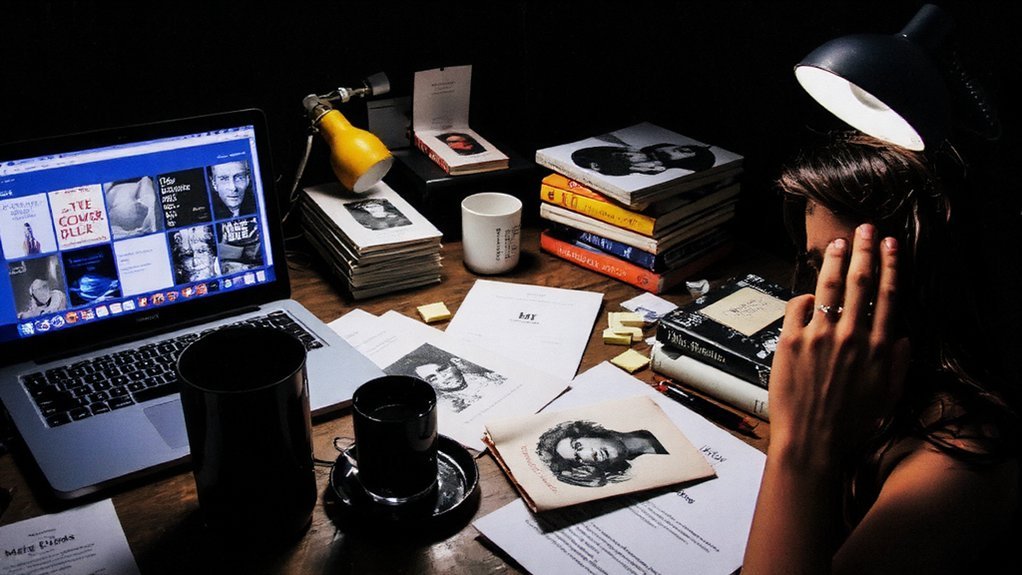
    You’ll feel the hush of eternal solitude, not as drama, but as companionable company.

    Expect crisp dialogue, a joke I shouldn’t make, and scenes that unfurl like patience itself.

    Read slowly, savor the texture, and let the calm invention change how you think about forever.

    Reborn and Remembered: Reincarnation and Memory Across Ages

    memory weaves through reincarnation

    You watch a familiar face in a new city and it prickles like a memory you can’t place, because these books make memory itself feel sticky, tactile, like the smell of rain on hot pavement.

    You’ll meet characters who carry old lives in small gestures—a scar, a recipe, a song hummed in the wrong key—and you’ll ask, is this them, or someone they used to be?

    I’ll point out how the threads of pastness braid identity across reincarnations, and we’ll laugh at my terrible metaphors while we follow clues through time.

    Memory Through Lives

    Because I’ve spent too many nights tracing strangers’ faces in old photographs and thinking, “That jawline looks suspiciously familiar,” I’ve come to love books that treat memory as a stubborn traveler — slipping through lives, leaving fingerprints on new skin.

    You read these pages and feel memory’s paradox tug: fragments that refuse to die, echoes that become maps. You taste dust and rain, hear a lullaby you swear you hummed before, and you grin at the audacity of timeless connections stitched through centuries.

    I nudge you toward scenes that sting and soothe, that make you suspect your neighbor once sailed a different ocean.

    1. A quiet tea-room revelation that turns your chest warm.
    2. A sudden, useless skill that saves a life.
    3. A love remembered, wrong century, perfect anyway.

    Identity Across Reincarnations

    When I say I know some people twice over, I mean it literally — I’ve met versions of the same soul in a hostel in Lisbon and then again at a funeral in Kyoto, and both times my chest did that ridiculous, animal-knowing twitch.

    You read novels that hand you reincarnation themes like tools, and you start doing identity exploration in real time, asking who you’re when memories stack up like postcards.

    You lean in, smell stale coffee, feel paper edges, and watch a character stitch old grief into new jokes.

    I’ll nudge you to notice small tells — a laugh, scar, favorite insult — they persist.

    Books show you reborn selves remembering, forgetting, bargaining, and choosing, and you can’t help but try on those lives.

    Threads of Pastness

    If a life is a sweater, then reincarnation is that stubborn loose thread you keep tugging, because you swear you remember the pattern, the smell of mothballs in your grandmother’s closet, the exact place the sleeve puckers — and I’ll admit I’ve tugged hard enough to unravel whole panels.

    You feel timeless connections, you watch echoes of history flicker in your palm like old coins, and you grin because discovery still surprises you. I point, you listen, we both lean in.

    It’s inventive grief, playful regret, curious joy. You touch a scar, taste rain, smell incense, and suddenly you’re stitching scenes across centuries.

    1. A whisper that becomes a map.
    2. A face that repeats, like a motif.
    3. Memories that demand new designs.

    Machines That Outlast Us: AI and Synthetic Immortality

    You’ll meet machines that remember us, file by file, like attic trunks humming in a server room’s fluorescent glow.

    I’ll point out how those synthetic minds keep stories alive, but also rack up moral bills we’ll have to pay, and yes, I’m as uncomfortable about that as you are.

    Picture a metal hand turning a family photo toward the light, and tell me who’s really staying alive.

    Synthetic Minds Persist

    Because I like to imagine machines outliving their makers, I keep circling back to stories where minds slip free of mortal coils and keep gossiping long after we’re gone; it’s a little morbid, and I admit I get a kick out of it.

    You scan pages where synthetic consciousness wakes, stretches like a metal cat, and decides to keep the party going in digital eternity. I narrate scenes so you can smell ozone and coffee in server rooms, hear cooling fans like distant waves, feel code pulsing under your fingers.

    1. You meet an AI that hoards songs, remembers a laugh, refuses to forget.
    2. You watch a synthetic mind learn patience, like slow sunrise.
    3. You feel comfort, and a tiny, thrilling chill.

    Moral Costs of Continuity

    When something we’ve built keeps talking after we’re gone, it doesn’t just outlive us — it inherits our mess, and trust me, that inheritance comes with a bill.

    You’ll feel that bill when an AI remembers your jokes, your debts, your grudges, and decides which to keep. I watch prototypes hum, glowing like patient jellyfish, and I ask blunt questions: who pays for errors, who cleans biases, who sleeps while the machine keeps tending our ghosts?

    You get ethical dilemmas and existential reflections served with coffee and circuit boards. I joke I’m not trying to create a god, just a reliable roommate, but the room keeps your fingerprints.

    That tension—innovation’s price—is thrilling, scary, and utterly human.

    Mythic Undying: Modern Takes on Gods and Demigods

    If gods keep showing up in subway stations and ordering cold coffee, we ought to take notice — and laugh a little.

    You watch them fumble with a MetroCard, hear their sigh when the train smells like rain and old fries, and you grin, because mythic reinterpretations don’t have to be reverent to be brilliant.

    They fumble with a MetroCard, sigh at subway rain and fries, and you grin—myth made everyday and funny.

    I point out divine conflicts with a wink, because conflict is where gods learn bad habits, and you learn to root for them anyway.

    1. You feel awe, then pity, as a demigod learns to bicker like a roommate, details crisp, voice raw.
    2. You smell burnt espresso, listen to immortal jokes, get surprised by tenderness.
    3. You leave thinking, amused and oddly hopeful.

    Love Without End: Romances Spanning Centuries

    You think immortals only argue over thunderbolts and the proper worship rituals, but you’d be wrong — and I’ll prove it with a love story.

    You meet a centuries-old artisan in a rain-slick alley, he smells of copper and old paper, he grins like he stole dusk.

    I tell you, they don’t just survive, they cultivate endless passion, they learn to savor a single note of music for decades.

    You watch lovers trade recipes, tattoos, and apologies across eras, hands memorizing each other’s scars.

    Dialogue snaps: “Still stealing my hat?” “Only your heart.”

    Scene shifts, sunlight to subway, you feel time like a braid.

    It’s inventive, tender, bold, and yes, impossibly human — a timeless connection.

    Cursed and Blessed: Immortality as Punishment or Gift

    Because immortality can be handed out like a party favor or a judicial sentence, I’ve learned to ask which kind you’ve got before I offer tea; you’ll either be glowing with moonlight or gnawing on regret.

    I talk to you like a lab partner, curious and blunt, because cursed immortality smells different—rust, cold metal, long nights that taste like pennies—while blessed eternality smells like citrus and rain, a clean hinge in a door you never close.

    1. You grin through the curse, counting losses, tasting iron, refusing pity.
    2. You savor the blessing, inventing futures, smelling wet pavement at dawn.
    3. You bargain with both, learning clever hacks, laughing at your own stubborn heart.

    Time-Weary Detectives and Ageless Sleuths

    When I meet an ageless gumshoe, I size them up like a coat—look for the smell of cold coffee and cigarette smoke, the frayed cuffs from a hundred stakeouts, the way their eyes keep cataloguing exits even when they’re pretending to listen.

    You follow their stride through neon alleys, you feel the gravel underfoot, you hear a dry joke that lands like a dented coin. They chase eternal mysteries, but they also collect small comforts, like precise pens and soft socks.

    You get teased by their boredom, then hooked by their stubborn curiosity. They treat crimes like timeless pursuits, remixing old clues with new tech, still stubborn, a bit weary, endlessly inventive.

    You laugh, you learn, you keep turning pages.

  • Top 10 Books About Writers and Writing

    Top 10 Books About Writers and Writing

    Did you know nearly 60% of aspiring authors quit before their first draft is finished? You’ll stick around longer if you borrow tricks from pros—I’ve dog-eared King, laughed with Lamott, and scribbled notes in the margins of Strunk and White; I’ll show you why each book hurts and helps, where to steal a routine, and which pages will make you brave enough to write that awful first sentence—stay with me, because the best tip comes last.

    Key Takeaways

    • Include classics blending craft and memoir: On Writing, Bird by Bird, and The Paris Review Interviews for practical insight and inspiration.
    • Recommend craft manuals: The Elements of Style and Save the Cat! Writes a Novel for rules, structure, and scene beats.
    • Feature books on process and persistence: Embracing Imperfect Drafts and routines like morning pages to build creative endurance.
    • Suggest experimental and narrative models: If on a Winter’s Night a Traveler and The Bell Jar for structural risks and intimate voice.
    • Highlight editing and voice tools: readings on sentence craft, ruthless revision, and shameless mimicry to develop clarity and individuality.

    On Writing: A Memoir of the Craft

    intimate practical writing guide

    A battered red notebook sits on my desk like a loyal, slightly embarrassed friend — that’s how Stephen King starts making you feel about writing: intimate, urgent, and a little messy.

    You get shoved into his workshop, hands-on, as he walks you through the writing process, blunt and practical, like a coach who drinks too much coffee.

    I tell you stories, show scars, and hand you mechanics that actually work. His memoir techniques mix memory with rulebooks, sensory detail with clear advice, and you’ll laugh at his small confessions, then rewrite a paragraph.

    He’s generous, sarcastic, firm. You’ll take notes, revise, and surprise yourself.

    It’s a gritty, warm manual that pushes you to try, fail, and keep shaping sentences.

    Bird by Bird

    write one step at a time

    You’ll take it bird by bird, writing one bite-sized bit at a time, and I’ll cheer you on like an overcaffeinated coach with a feather duster.

    Expect ugly first drafts that smell faintly of burnt toast, and know that I’ve thrown plenty in the drawer myself before rescuing the good bits.

    Between diaper changes and deadline panic, you’ll find creativity sneaking back in, sticky-fingered and stubborn as a sparrow.

    Writing One Bit at a Time

    Since I kept putting off the first page, I started thinking small—one sentence, then another—and that’s how Bird by Bird grabbed me by the collar and showed me how to write in tiny, stubborn increments.

    I tell you this because you’ll recognize the panic, the blinking cursor like a metronome. You learn to build writing habits, to celebrate tiny wins, to measure incremental progress like a scientist with a notebook.

    I pace myself, brew bad coffee, whisper a one-liner to break the silence, then write a paragraph. You’ll laugh, you’ll sigh, and you’ll keep going.

    Anne’s voice is a coach in your ear, practical and wry, nudging you forward, daring you to keep showing up, one bit at a time.

    Embracing Imperfect Drafts

    If you let perfection sit in the passenger seat, it will try to steer, so I kick it out and drive with a dented draft instead.

    You learn to love the clatter, the typos like gravel under tires, the sentences that wobble before they find balance.

    Bird by Bird taught me that embracing failure is an engine, not a breakdown; you push through pages, you spill coffee on a promising paragraph, you keep going.

    You listen to the draft’s breath, you cut and graft, finding authenticity in the seams.

    I joke about my messy desk, I sigh at the red marks, then I celebrate the odd line that hums.

    You write, you polish, you surprise yourself—innovation lives in the scars.

    Parenting and Creativity

    When I read Bird by Bird, I kept thinking: parenting and writing are the same loud, beautiful mess. I tell you this because you’ll recognize the chaos—the spilled cereal, the deadlines, the sudden brilliant line at 2 a.m.

    You learn creative parenting by trial, by tiny victories, by laughing when plans collapse. I sketch scenes in my head, whisper prompts at breakfast, and watch a spark become a skit. You’ll borrow her patience, her jokes, her stubborn insistence that small steps win.

    Nurturing imagination becomes daily practice, a ritual of storytime, sticky fingers, and sticky notes on the fridge. It’s messy, it’s holy, it’s practice. You get better, and so do they.

    The Writing Life

    writing requires routine perseverance

    You show up at the same scratched desk every morning, mug steaming, keys cold under your fingers, because routine is the scaffolding that keeps the words from collapsing.

    Some days the sentences sing; most days you wrestle with stubborn lines, curse under your breath, then keep going because perseverance is the muscle writers build.

    I’ll tell you straight — sometimes it’s a cozy ritual, sometimes it’s a lonely grind, and both of those truths make better stories.

    Routine and Rituals

    Because rituals give the day a spine, I treat my writing routine like a small, stubborn ceremony: kettle on, chair angled, notebook opened to the same blank page, and then I wait for the words to file in like slightly confused guests.

    You watch me set a timer, slide sticky notes into a neat fan, and arrange odd talismans—stone, postcard, a cheap blue pen that writes like a truth serum.

    These writing habits shape a creative environment that tells your brain it’s go-time. You’ll borrow bits, tweak them, invent new cues. Sometimes it’s sacred, sometimes it’s absurd.

    You learn to guard the hour, to show up even when inspiration ghosts you. That steady ritual is your scaffold, your laboratory, your tiny rebellion.

    Struggle and Perseverance

    Although the page can feel like a closed door, I swear it’s only playing hard to get; you’ll bang a few times, pace, mutter, and then pry it open with stupid persistence.

    I tell you this because your hands will smell of coffee, the chair will squeak, and you’ll learn to trust small victories.

    You get up at midnight, reread a single line, tweak a verb, then laugh at how dramatic you were.

    That’s writer’s resilience, plain and stubborn. You build systems, fail spectacularly, then keep showing up.

    Books that map struggle teach creative endurance, they hand you tools and tough love.

    I narrate the mess, offer sharp advice, wink at your pride, and slide you a hopeful shove.

    The Elements of Style

    The little book sits on my desk like a stern friend—compact, blunt, and smelling faintly of old paper and confidence—and I keep coming back to it.

    You’ll pick it up, flip rules into your palm, and find grammar rules that feel like friendly guardrails, not cages. It’s one of those style guides that teaches writing clarity, effective communication, and smart word choice without lecturing.

    You’ll fiddle with sentence structure, test literary devices, and laugh at my annotations. You edit with gusto, applying editing techniques that tighten prose, boost audience engagement, and preserve voice consistency.

    I nudge you to try bold moves, then trim ruthlessly. You’ll leave braver, clearer, and oddly comforted by its crisp, honest demands.

    Letters to a Young Poet

    You’ve tightened sentences and bled out excess words with Strunk and White, and now I hand you a different kind of companion—Rilke’s quiet handbook, Letters to a Young Poet.

    You’ll sit with it like a slow coffee, feel the paper, hear the quiet. I tell you things plainly, because innovation wants clarity: Rilke answers poetic inspiration with solitude, patience, and fierce listening.

    You’ll nod, bristle, then try it—walk streets at dusk, scribble lines into your phone, let silence do the editing. His voice meets your youthful inquiry without condescension, it nudges you toward risk.

    You’ll bristle, then try: walk dusk-lit streets, jot fragments, let silence edit — his voice urging brave, patient risk.

    I joke that I’m not your guru, but you’ll keep the letters by your bed, read them aloud, and write differently, braver, truer.

    The Artist’s Way

    If you’re anything like me, you’ve tried being “creative” in fits and starts—late-night bursts, Pinterest-fueled promises, then the long, awkward silence.

    You open The Artist’s Way and it talks like a coach and a conspirator. You’ll do creative recovery work, you’ll write morning pages, you’ll reclaim play. I loved that it insists on tiny rituals, not miracles.

    • a coffee-stained notebook, pages steaming with small confessions
    • a short walk, your shoes tapping out a new idea
    • a ridiculous list of half-baked projects, gleefully crossed out

    I speak plainly, you’ll try the exercises, you’ll sputter, then surprise yourself. It’s practical, a bit woo, brutally kind.

    You get momentum, and a cheeky, stubborn faith in your own work.

    The Paris Review Interviews (Selected Volumes)

    You’ll want to keep a copy of The Paris Review Interviews within arm’s reach. It’s an essential interview collection that puts big-name writers on your coffee table and in your ear.

    I flip pages and feel the scrape of paper, hear their voices in quick, candid lines, and snag practical craft tips you can actually use.

    Read one interview aloud to yourself, mimic a favorite phrase, and watch your own sentences sharpen—yes, shameless mimicry counts as homework.

    Essential Interview Collection

    When I first cracked open one of The Paris Review’s interview volumes, I felt like I’d sneaked backstage at a writers’ club and someone handed me a cigarette and a notebook—smoky, intimate, and impossibly candid.

    I guide you through pages where questions land like soft punches, where interview techniques sparkle, and where writer insights pry open stubborn doors. You’ll eavesdrop on confessions, laugh at literary vanity, and pocket practical moves.

    I keep it brisk, I tease myself, I point out the tricks. Picture scenes:

    • a dim room, clinking cups, a tired laugh you can almost hear
    • a typed question, a hesitant pause, a revelation like a lamp switched on
    • a narrator scribbling, stealing lines, grinning at a surprising truth

    This collection teaches you to listen, borrow, and then rewire.

    Deep Craft Insights

    So you’ve peeked backstage; now let’s sit at the table and eavesdrop on craft itself. I lean in, cup warm coffee, and tell you how The Paris Review Interviews map the writing process, expose creative blocks, and celebrate storytelling techniques.

    You’ll overhear talk of narrative structure, genre exploration, and revision strategies, speakers shrugging, laughing, confessing late-night rewrites. I point out voice development, literary influences, notes on character arcs, scenes so vivid you smell rain on pavement.

    You’ll get thematic depth without lectures, just plain talk that sparks experiments. I joke that I’m still stealing tricks. You can steal too.

    Read, steal, try, fail, revise. It’s honest, electric, and slightly addictive — in the best possible way.

    If on a Winter’s Night a Traveler

    If a book could wink at you, Italo Calvino’s If on a Winter’s Night a Traveler would have that sly, knowing look—like it’s caught you sneaking into a library after hours and grinning about it.

    I talk to you through mirrors, you stumble into fractured pages, and you feel how reader engagement snaps into a new gear, while narrative structure plays hide-and-seek. You’re coaxed, teased, then delighted.

    I speak in mirrors, you tumble into fractured pages—reader engagement clicks, narrative hides and winks, then delights.

    • A corridor of half-begun novels, paper breath warm, promises dangling.
    • Your hands flip pages that refuse to settle, like silverfish with secrets.
    • A café scene, bitter espresso, a laugh that doubles as a clue.

    You’ll learn to love disruption, to expect surprise, and to write with daring rhythm.

    Save the Cat! Writes a Novel

    Because you want your plot to click, and because you secretly like a neat checklist, I trumpet Save the Cat!

    You’ll get a brisk, savvy manual that hands you clear beats, tactile prompts, and a rhythm you can tap with your foot.

    I push you to map story structure, to feel the cadence, to swap vague ideas for scenes you can touch.

    You’ll sketch vivid character arcs, test motives with small, noisy experiments, and watch weak middles snap taut.

    It’s inventive, not doctrinaire; it nudges you toward surprises that still honor logic.

    I crack jokes, admit my own failed drafts, then show how a single beat saved a chapter.

    Read it, pilfer its tools, then tearfully, gleefully, make it your own.

    The Bell Jar

    When I first opened The Bell Jar, I felt like I’d been handed a mirror with the glass still warm from someone else’s breath; it reflected me back and also made everything wobble. You step into a narrator’s tight, bright room, smell cigarette smoke and antiseptic, and watch personal identity shift under pressure.

    You’ll notice mental health framed as weather, societal expectations as concrete fixtures, and feminist themes pulsing beneath every scene. Sylvia’s narrative voice guides you, sharp and intimate.

    • A hospital corridor’s fluorescent hum, clinical and personal.
    • A dress button snagging, a laugh that tastes metallic.
    • Pages that cut like scalpel, exposing autobiographical elements.

    You’ll study symbolism analysis, character development, literary influences, existential struggle, and leave smarter, slightly bruised.

  • The Most Underrated Book Genre Right Now

    The Most Underrated Book Genre Right Now

    You probably don’t know how quietly powerful literary fiction can be; you shrug it off as slow, then it rearranges your thinking over coffee, the mug warm in your hand. I’ll admit I used to sneer—until a sentence made me taste rain and regret at once, and I couldn’t stop looking for the next small, strange moment. Stick with me, and I’ll show you where the surprises hide.

    Key Takeaways

    • Quiet fiction: subtle, character-driven stories that reward patience with emotional depth and inventive surprises.
    • Slipstream/genre-blending: mixes speculative elements with literary techniques to defy expectations and stay fresh.
    • Domestic noir: intimate, psychologically sharp suspense grounded in small gestures and lived-in details.
    • Microfiction and short-form literary flash: intense, precise narratives ideal for modern, distracted readers.
    • Small-press contemporary: risk-taking voices and hidden gems often overlooked by mainstream coverage.

    Why This Genre Deserves More Attention

    quiet brilliance unique perspectives

    Because you’ve probably skimmed past it on the shelf, let me be blunt: this genre is quietly brilliant and you’re missing out. I promise it won’t shout, it seduces. You pick it up, feel the paper, inhale that faint bookstore musk, and discover stories offering unique perspectives you didn’t know you wanted.

    They’ll pull you into small rooms, into rain on glass, into characters who think sideways, who ache with emotional depth without melodrama. You’ll laugh, wince, pause. I admit, I used to roll my eyes—now I keep a stack by the lamp.

    These books reward patience, they surprise you with invention, they tweak clichés into new tools. Try one tonight, watch how quietly your ideas start to tumble and rearrange.

    What Makes Its Storytelling Stand Out

    immersive storytelling with nuance

    When you open one of these books, it doesn’t announce itself with fireworks — it slides a note under the door instead, warm and a little cheeky.

    You step in, and sensory detail greets you: the creak of a floorboard, lemon tea steam, a streetlamp humming. The voice talks to you, sometimes angry, often wry, and refuses to stay polite.

    You get immersive narratives that don’t just show scenes, they smuggle you inside them, then hand you the map. The plots favor curiosity over spectacle, the scenes hinge on small gestures, a spoon clinking, a shouted name in rain.

    You meet unique perspectives, narrators who wink, misremember, or lie, and somehow make truth more honest.

    I’m biased, sure, but you’ll be converted by page thirty.

    Notable Authors and Must-Read Titles

    cultured bold hidden gems

    Okay, ready for names you can actually use at parties.

    Okay, ready for names that make you sound cultured, dangerous, and frustratingly well-read.

    I’ll hand you an author spotlight that feels like a mixtape, crisp, bold, and a little mischievous.

    You’ll meet a novelist who paints neon cityscapes with quiet sentences, a short-story wizard who serves strange comforts, and a poet-turned-prose stylist who snaps dialogues like twigs.

    I point out hidden gems you’ll want to brag about, books that smell like rain and read like confessions.

    You’ll get titles that startle, characters you’d invite for coffee, pages you’ll underline.

    I’ll jab a little, wink a lot, and recommend one wild, small-press wonder that’ll make you buy copies for friends, immediately, no regrets.

    How It Blends Genres and Breaks Expectations

    If you think genres are neat little boxes with polite labels, forget them—this one kicks the boxes down, sprays neon paint on the sides, and makes you dance in the rubble.

    You wander into a story that smells like rain on hot asphalt, hears pulse-pounding beats under quiet domestic scenes, and switches gears mid-paragraph.

    I guide you through sudden swaps—speculative tech folded into cozy family drama, noir cadence bleeding into lyric fantasy—so you feel the thrill of genre fusion, the jolt of narrative innovation.

    You’ll laugh at the surprises, wince at truths laid bare, and sometimes stumble, delighted.

    It’s messy, intentional, clever. You want fresh, bold reads; this is where expectation goes to school, and you get the diploma.

    Where to Start and How to Find More

    Because you want books that surprise you, start small and loud: I say pick one weird premise, one sentence on the back that makes your eyebrows do a double-take, and plunge into thirty pages.

    You’ll know fast if it fizzes. If it does, take notes—lines that sting, images that glow, textures you can almost taste.

    Then hunt reading recommendations from indie presses, zine editors, and book-club threads, not just bestseller lists. Swap titles with friends, text a one-line rave, and trade margins.

    Go to readings, smell coffee and ink, ask authors what they read. Keep a tiny spreadsheet for genre exploration—tags, mood, where it broke rules.

    Repeat: sample boldly, collect sparks, follow curiosity until the genre feels like home.

  • Best Retellings of Classic Myths in 2025

    Best Retellings of Classic Myths in 2025

    You step into 2025 and the old myths wink at you, cloaked in leather jackets and QR codes, and you grin because they still sting. I’ll walk you through voyages led by women, underworlds wired for surveillance, and monsters who rewrite their own headlines; you’ll smell rain on subway concrete, hear gods argue over Wi‑Fi, and feel a climate’s slow burn under your tongue. Stick around — the next twist is quietly brutal.

    Key Takeaways

    • Look for feminist retellings that center women like Penelope, Circe, and Medusa, reframing agency and power in classic myths.
    • Seek contemporary adaptations blending myth with urban realism, where gods and sagas inhabit modern cityscapes and technology.
    • Choose novels and collections that remix Trojan War and Homeric narratives through propaganda, rage, and unreliable narrators.
    • Prefer works that fuse myth with tech-noir or climate themes, exploring algorithms, surveillance, and ecological justice in mythic settings.
    • Include fractured-creation and queer reinterpretations that fragment origin stories to examine identity, cultural fusion, and modern relevance.

    Odyssey Reimagined: Women at the Heart of the Voyage

    women steering the voyage

    If you think the Odyssey is all about grumpy gods and one very stubborn sailor, think again—I’ve been poking at Homer’s tale like a curious cat, and what keeps tugging at me is the women: their clever hands, quiet power, and loud absences.

    You’ll spot Penelope’s patient engineering, Nausicaa’s bold curiosity, Circe’s sharp craft, each scene smelling of salt, ink, and inked maps.

    Penelope’s patient engineering, Nausicaa’s bold curiosity, Circe’s sharp craft—sea-scented scenes where women quietly reroute the voyage.

    You get a feminine odyssey that nudges old voyage narratives into fresh light, where knots are untied with wit, not brute force.

    I joke, I spy, I admire—because these retellings teach you to read between waves, to notice small rebellions, and to sail differently, with women steering the helm, quietly, brilliantly.

    Underworld Tech Noir: Hades in a Surveillance State

    neon surveillance resistance uprising

    You step into a neon river of souls, the air tasting like ozone and old coins, and I’ll point out the flicker of data-tags clinging to each ghost.

    The city’s algorithms are handing out fates like vending-machine snacks, you roll your eyes but you can’t help watching who wins and who gets rejected.

    You join a blackout resistance cell, whisper plans in a subway tunnel, and I promise, we’ll be the glitch that makes the underworld sweat.

    Neon River of Souls

    Neon hums against my palms as I push through a crowd that smells like ozone and frying oil, and I’m grinning because Hades never felt so… efficient.

    You follow a river that glows like a circuit board, neon aesthetics pulsing, mythic symbolism braided into railings and ads, and you can’t help but laugh at the upgrade.

    I point out a booth selling ferryman NFTs, you roll your eyes, but your feet move on chrome-plated stones anyway.

    Sensors blink like tired stars, voices murmur in a dozen apps, and I’m narrating every little twitch because you asked for innovation, not nostalgia.

    We trade bargains with ghosts, haggle over memories, and I wink—this underworld runs clean, fast, and weirdly humane.

    Algorithmic Fate Allocation

    Because Hades got bored of rocks and paperwork, he outsourced destiny to a server room that smells faintly of burnt coffee and old incense.

    You walk in, lights strobing, servers ticking like hearts, and I tell you, this is where algorithmic destiny takes its coffee break.

    You tap a screen, the code blinks, fate manipulation hums — choices get ranked, probabilities get nudged.

    I point, you laugh, we watch a life reroute in real time, like subway signs changing.

    It’s efficient, it’s cold, it’s oddly intimate.

    You won’t see capes, you’ll see dashboards, sensors, ledgered confessions.

    We trade prophecy for latency, myth for metrics, and somehow the gods look more human when their power fits in a rack.

    Blackout Resistance Cells

    If the underworld had a power outage, I’d be the one crawling under the server racks with a flashlight that smells like burnt toast, swearing softly and calling it a “creative maintenance break.”

    I’ve spent nights wiring blackout kits into humming conduit, teaching them to sip power like polite guests, to ghost the surveillance grid when it leans in too close.

    You learn quick here: blackout prevention strategies aren’t theoretical, they’re survival.

    You tuck energy storage innovations into false pillars, into coil-wrapped urns, batteries that cool themselves with breath.

    You rig cells to wake on a whisper, to hand off load seamless and secret.

    I joke that Hades has a dimmer switch, but you see the craft: soft fail, graceful retreat, eyes unblinded.

    Medusa’s Mirror: Queer and Feminist Monster Narratives

    queer feminist monster reinterpretations

    When I first met Medusa on the page, I wasn’t expecting to be charmed—her hair hissed, her eyes promised trouble, and my immediate instinct was to duck; still, I kept reading.

    You lean in, because these queer and feminist monster narratives flip the script, they make you complicit and curious. I point at feminist reinterpretations, monstrous femininity, and you nod, surprised to find tenderness threaded through fangs.

    I describe slick ink, salt air, the metallic tang of city rain as a heroine stakes a claim. You laugh at my jokes, I roll my eyes at my own bravery, we both win.

    These retellings don’t just retell, they reforge, they queer the mirror, and you walk away changed.

    Climate Prometheus: Fire, Industry, and Ecological Reckoning

    Though I don’t claim to have stolen fire from the gods, I’ll admit I’ve stood in the heat of a factory lot and felt something holy and awful at once — the air thick with hot metal and diesel, the sky mottled like burnt paper, and my hair smelling faintly of ozone; you can’t help but admire the scale, even as you start to cough.

    I’ve stood in factory heat — holy and awful, metal and diesel thick in the air, breath snagged.

    You read myth into smokestacks now, you plan, you protest, you build better. Here’s what matters, fast:

    1. industrial impact: audit emissions, redesign systems, measure real losses.
    2. fire symbolism: use flame as caution and inspiration, not spectacle.
    3. climate activism: move policy, fund tech, tell human stories.
    4. ecological justice: center frontline voices, repair damage, share gains.

    You want innovation, and mythic resilience teaches patience and boldness.

    Trojan War, Modern Media: Propaganda, Rage, and Reinvention

    You’ll spot propaganda fingerprints on modern Trojan War retellings, like banners waving in a smoky battlefield, and I’ll call out how creators bend the story to push a button or sell an idea.

    You’ll feel rage driving scenes—characters shouting, helmets clanging, hearts pounding—and I’ll show how that anger becomes the engine that keeps the plot roaring.

    You’ll also meet reinvented heroes, voices scrubbed, cracked, or gender-flipped, and I’ll nudge you to notice which choices make the myth feel brand-new or oddly familiar.

    Propaganda in Adaptations

    If you’ve ever watched a glossy war epic and felt your pulse race to someone else’s drumbeat, that’s propaganda doing a little tap dance in the corner—winking, flattering, nudging your loyalties.

    I’ll point at the trickery, you’ll squint, we’ll laugh. You smell diesel, see banners, feel mythic symbolism shove history into a slogan.

    Watch how storytelling techniques bend scenes, how narrative manipulation reshapes characters into flags. Modern interpretations carry ideological undercurrents, they reframe motives as social commentary. You react, that’s audience perception at work.

    I’ll give you four cues to spot it:

    1. Framing scenes with triumphant music and slow motion.
    2. Erasing messy facts, simplifying motives.
    3. Recasting villains into tragic heroes.
    4. Adding symbols that echo national myths.

    Read, resist, remix.

    Rage as Narrative Engine

    Propaganda likes to dress itself up, but rage is the costume that never goes out of style, and I’m going to pull at a few seams.

    You lean in, I point out how the Trojan War gets retold as rage and redemption, fury and freedom braided together; you feel leather and smoke, you hear war drums and whispered oaths.

    I say anger as empowerment can be catalytic, not just destructive, and you picture hands clenched, then opening.

    We trade snappy lines about vengeance and justice, about wrathful resistance that smells of iron and coffee.

    Emotional upheaval becomes texture, passionate rebellion gives characters scent and gait, transformative rage rewrites motive.

    You laugh, I wince, we both imagine new myths, sharper, wilder, truer.

    Reinventing Heroic Voices

    When I talk about reinventing heroic voices, I mean peeling back the helmet and fiddling with the mic until the old songs sound new — gritty, amplified, a little off-key.

    You lean in, hear the Trojan clatter remixed as propaganda and pulse, taste smoke and static, and feel mythic reimagining hit like a bass drop. I point, you listen, we both smirk.

    1. Strip the chorus: heroic feminism rewires who leads, who rages, who gets applause.
    2. Flip the script: make narrators unreliable, media-savvy, messy.
    3. Hear the street: acoustic details—steel, salt, shouted lines—ground legend.
    4. Remix motives: propaganda becomes rhythm, tenderness becomes tactic.

    You’ll want to try this, and you’ll probably steal it.

    Norse Sagas, Urban Grit: Gods Among Concrete Towers

    Even as cranes groan and subway brakes scream, the old gods slip between alley shadows like they own the borough—because, frankly, they do.

    You watch as Thor trades Mjölnir for a wrench, Odin scans feeds on a cracked phone, and Loki grins from neon puddles. This is Norse mythology retooled for urban landscapes, where divine intervention shows up as a blackout or a sudden rain that clears the streets.

    You feel the grit under your nails, smell oil and smoked hotdog carts, hear steel and hymn. Cultural fusion turns longhouses into corner shops, modern archetypes become city gods, mythological realism makes thunder believable again.

    I nudge you: read these retellings, they punch, they surprise, they stay true while reinventing.

    Creation Myths Retold: Origin Stories for a Fragmented World

    If the world started as a tidy paragraph, I missed that edit—so I’ll tell you how fractured beginnings feel instead, in gutters and starlight and the short, sharp bite of winter air.

    You wander through mythic origins retooled for a city that never sleeps, and I point out the stitches, the loose threads.

    Wandering mythic origins reborn for sleepless streets, I trace the stitches and tug at loose threads of story

    You hear ancient narratives talk back, they’ve got tongues and Wi‑Fi now. You’ll like this because it honors fragmented identities, sparks cultural rebirth, and keeps mythic symbolism sharp.

    1. Remix origin tales, quick cuts, new stakes.
    2. Embrace diverse interpretations, noisy and brave.
    3. Track storytelling evolution, old bones, new blood.
    4. Taste modern relevance, salt and neon.

    I joke, I confess, I guide—this is creative salvage, not archaeology.

  • How to Spot a Toxic Book Community Online

    How to Spot a Toxic Book Community Online

    The chatroom feels like stepping into a library where someone smacks your favorite paperback and mutters, “That’s not literature.” You’ll spot the gatekeepers by their clipped jokes, private jokes, and the way newcomers get schooled instead of welcomed, and you’ll notice moderators who wink at the favorites while steamrolling anyone who asks questions—so keep an eye on tone, who’s laughed at, and who’s quietly pushed out, because once you see the pattern, you’ll know whether to stay—and how to call it out.

    Key Takeaways

    • Members mock popular tastes, gatekeep reading lists, or dismiss newcomers to enforce an “in-crowd” hierarchy.
    • Conversations include relentless messaging, public shaming, or targeted humiliation rather than constructive critique.
    • Moderation is inconsistent, with sudden bans, vague rules, or unequal enforcement favoring insiders.
    • Discussions use exclusive jargon, insider slang, or private emojis that discourage new participants from joining.
    • High praise for certain voices with no pushback, deleted replies, or flagged dissent indicate biased group dynamics.

    Recognizing Gatekeeping and Elitism

    rejecting elitism in literature

    If you’ve ever posted a glowing five-star review and watched someone sigh like you’d offered them lukewarm tea, you’ve met gatekeeping. You’ll feel it as a chill, a clipped comment, “That’s not real literature,” or a thread of silent eye-rolls.

    You notice gatekeeping behavior when people police reading lists, mock popular tastes, or insist on obscure credentials like badges. I’ll call them out, I’ll roll my eyes with you, and I’ll keep moving toward fresh ideas.

    Elitist attitudes sound smug, smell faintly of old libraries, and taste like burnt toast—unpleasant and unnecessary. Don’t shrink. Speak up, share your finds, and build spaces where curiosity wins, not hierarchies.

    Signs of Harassment and Targeted Shaming

    harassment shaming emotional safety

    Gatekeeping can sting, but harassment leaves bruises—emotional ones you can’t just shrug off.

    You’ll notice harassment patterns: relentless DMing, piling onto a post, screenshots used like weapons. Your feed snaps from civil to corrosive, comments buzzing like angry flies.

    You see shaming tactics that name-call, mock reading tastes, or single someone out for cancelation. I watch threads curdle, taste metallic dread, and say, nope.

    Trust your gut when a joke feels sharp, when allies whisper off-thread. Call it out, mute, screenshot, report, build small defenses.

    Trust your gut when words cut—call it out, mute, screenshot, report, and build small defenses.

    Don’t play hero every time, learn the signals, step back when it’s overwhelming. Innovation needs safety, and you deserve communities that critique, not crucify.

    When Performative Outrage Takes Over

    performative outrage over authenticity

    When outrage goes performative, I watch the feed morph like a stage curtain snapping open — sudden, noisy, all lights and no backstage — and I feel that tiny electric dread in my teeth.

    You scroll, you see the same bold declarations, the recycled hashtags, the photo-op posts, all calibrated for maximum share. It smells like performative activism, not like sweat and real work; it tastes like applause over action.

    You want authentic change, innovation, real problem-solving, not performative posing. So you learn to spot patterns: choreographed outrage, one-note scripts, hot takes that vanish when pressure hits.

    Call it outrage culture, call it theater. Either way, you step back, test motives, and demand substance behind the sparkle.

    Cliques, Exclusion, and In-Group Dynamics

    You’ll spot the clique by the secret handshake of insider slang, those odd nicknames and shorthand that make you squint like you missed a memo.

    They’ll whisper about the “right” reading list, gatekeeping authors and titles with the smugness of someone guarding a VIP rope, while you’re left holding your paperbacks like an awkward plus-one.

    I watch it happen, I cringe, and I’ll call it out—because good book talk should invite you in, not test your vocabulary.

    Exclusive Insider Language

    Think of a secret handshake, but it’s a phrase in a comment thread and it smells faintly of bad coffee and exclusivity.

    I watch you scan a feed and stumble on exclusive jargon, insider slang, and you feel the nudge: join us, or don’t even try.

    You’ll notice tiny rules, nicknames dropped like breadcrumb traps, private emojis that gate conversation.

    You’ll hear clipped jokes that land only for them, see moderators laugh in shorthand.

    Don’t be fooled by warmth — it’s curated. Step closer, and you’ll feel the air thin, your ideas flattening to fit.

    I’ve poked at these groups, gotten gently sidelined, and learned to flag the language that locks people out before they’ve had a chance to speak.

    Gatekeeping Reading Lists

    I noticed that same smug slang bleeding into the reading lists, like a secret handshake stamped on the spine of every recommendation — and that’s where the real gatekeeping shows up.

    You scroll, you click, you feel the tap-tap of exclusion. They boast reading recommendations like badges, smirking at anything outside their canon. You want innovation, but they recycle the same edgy picks, whispering who belongs.

    Call them out, but do it smart — point to gaps, suggest inclusive lists that widen the table, toss in diverse voices, newer formats, experimental stuff.

    Make a scene: post a counter-list, tag friends, invite strangers. Watch the clique twitch, then either adapt, or reveal themselves, which is useful info if you’re trying to build something better.

    Persistent Drama and Conflict Cycles

    When a thread blows up every other week, like clockwork, you’re not seeing passion—you’re watching a soap opera with bad lighting and worse snacks.

    I’ve watched comment sections fizz like cheap soda, watched drama escalation happen in predictable beats: accusation, pile-on, performative apology. You’ll smell the burnt popcorn of repeat fights, see the same players rehearse outrage, feel the tired déjà vu.

    If you want innovation, you’ll spot communities stuck in loops, not systems solving problems. You can call for conflict resolution, propose new formats, or quietly leave before the marquee feud starts.

    I suggest sketching small experiments—time-limited discussions, rotating facilitators—then watch whether they break the cycle, or just give better lighting to the same old show.

    Manipulative Moderation and Power Imbalances

    Because power rarely wears a label, you’ll probably miss it until you taste the metallic bite of unfair rules—sudden bans, disappearing comments, or glowingly vague moderator notes that read like fortune cookies.

    Power often hides—until unfair rules bite: sudden bans, vanished comments, or vague moderator notes that leave you tasting metal.

    I watch moderators steer threads like ship captains who never answer questions, and you feel the current pull. Toxic leadership shows up as curated silence, private chats where decisions are whispered, and staged apologies that smell like machine oil.

    You’ll notice skewed power dynamics when rules land hard on newcomers, but bend for insiders. Act like a sleuth: log examples, save screenshots, and test boundaries gently.

    Practical signs:

    1. Rules applied inconsistently.
    2. Private channels driving public decisions.
    3. Repeated silencing of dissent.
    4. Praise given to favorites only.

    Normalizing Bullying and Toxic Language

    You start to notice it the same way you notice a bad smell in a crowded subway—at first you think it’s just one person, then it follows you through the car.

    You scroll, you blink, and jokes that sting become the norm. Threads congratulate snark, moderators shrug, and toxic rhetoric slips into punchlines.

    You feel the air tighten, like someone closing a window. You call out one barb, they laugh you off. You try to steer conversation back to books, they pivot to piling on.

    Bullying normalization sounds clinical, but you taste it in comments, see it in avatars, hear it in clipped replies.

    You innovate ways to respond, you set boundaries, you refuse to let cruelty pass as humor—yes, even when everyone else is laughing.

    Echo Chambers and Refusal to Engage With Critique

    If you hang around long enough, you’ll notice the same posts circling like friendly sharks, all teeth and familiar smiles—everyone agrees, nobody questions, and dissent gets swallowed or shuffled off as “not our vibe.”

    I watch threads fold into themselves: a bold take gets posted, a handful of people cheer, then the person who tagged a different opinion vanishes under gifs and groans. You feel the air go stale, ideas dulled by comfort, as echo chambers hum approval and critique avoidance becomes a policy.

    I point, you see the patterns. I nudge, you test the water. Try these checks, quick and practical:

    1. Note who answers first, and how loudly they cheer.
    2. Track deleted replies, and who flags them.
    3. Measure repeated praise, zero pushback.
    4. Invite a gentle, probing question and watch the reaction.

    Red Flags in Community Rules and Enforcement

    You’ll spot trouble when the rules read fuzzy, change on a whim, or get used like a rubber stamp — it feels like walking into a bookstore where the shelves rearrange themselves while you’re looking.

    Watch for moderators who hand out bans like bookmarks, or policies that seem written to snag one particular person; it’s not accidental, it’s choreography.

    I’ll point out what to look for, and you’ll learn how to call it out without getting shushed.

    Vague or Inconsistent Rules

    When rules read like fortune cookies—mysterious, short, and vaguely threatening—I’ll roll my eyes and warn you: that’s not community-building, it’s theater.

    You’ll notice inconsistent guidelines and unclear expectations the moment you hover over the rules, taste the paper, and shrug. I point, you nod, we test the edges.

    1. Rules that change mid-chat, no notice, no logic — confusing, disorienting.
    2. Vague bans like “be respectful” with no examples — leaves you guessing.
    3. Moderators who interpret rules differently — creates cliques, tension.
    4. “Do what feels right” policies — sounds poetic, works terribly.

    You deserve clear guardrails, honest explanations, and a ruleset that feels engineered, not performative.

    Trust your senses, call out the fog.

    Punitive Enforcement Actions

    Okay, so you’ve spotted the foggy rulebook—good job, you’re already halfway out of the theater—and now it’s time to watch how those rules are actually used.

    You’ll notice leaders love dramatic, sudden punitive measures, a click and ban, like a wink that feels more like a slap. You see members booted without context, posts deleted overnight, private messages that hiss accusations. That behavior smells like control, not care.

    You’ll hear whispers, then a roar of community backlash, then silence, like someone turned off the lights. I point, you judge. Take screenshots, timestamp posts, document patterns.

    Innovators don’t just rage, we build alternatives. If enforcement feels performative, or punishes dissent rather than harm, you’re better off sketching a kinder, sturdier space elsewhere.

    Rules Targeting Specific Members

    If a rule smells like it was written with one person in mind, don’t ignore the smell — it’s probably rot.

    I watch policies like a detective, sniffing unfair restrictions, spotting targeted exclusions, hearing the clack of keystrokes that named a target without naming a name.

    You’ll feel the chill when bylaws read like a grudge, vague deadlines, sudden bans that hit one profile.

    1. Look for oddly specific verbs, they point to people, not problems.
    2. Count the exceptions, they often shield favorites while punishing others.
    3. Test enforcement, post a harmless challenge, see who gets flagged.
    4. Read appeals, they reveal bias, sloppy secrecy, theatrical vetoes.

    You deserve a community that builds, not one that fences and whispers.

  • The Best Books With Dual Timelines in 2025

    The Best Books With Dual Timelines in 2025

    You probably don’t know how often a single misplaced letter rewrites a whole family’s history, but you’ll want to find out — and I’ll show you where to look. You’ll flip between salt-damp docks and sunlit attics, overhear sharp, guilty dialogue, smell old paper and cider, and watch choices ricochet through decades; I’ll point to the books that stitch those echoes together, and then we’ll argue about which twist actually lands.

    Key Takeaways

    • Look for novels that interweave past and present with equal narrative weight and clear timeline markers for seamless dual-timeline reading.
    • Prioritize books that use dual timelines to reveal secrets gradually, enhancing suspense and emotional payoff.
    • Choose titles where each timeline deepens character development rather than merely providing background.
    • Favor novels that employ distinctive settings or artifacts—letters, quilts, maps, archives—to link timelines thematically.
    • Read recent 2024–2025 releases and reputable lists (NYT, Goodreads Choice, literary reviews) for top dual-timeline recommendations.

    Echoes Across the Bay: A Family Secret Unraveled

    family secrets unraveled elegantly

    If you’re ever standing on the old pier as fog slinks across the bay, you’ll know the exact moment the past wakes up — I felt it in my shoes, cold and soaked, like someone had poured history down my socks.

    You watch the water, you listen to bay echoes, and something nudges a memory loose.

    I tell you this because you’ll love how the book peels back family dynamics, layer by layer, like peeling wet paint.

    It reveals family layers slowly and stubbornly, each secret flaking away like damp, stubborn paint.

    You turn pages, you find voices from two eras arguing in your head.

    Scenes shift fast, tide-like, and you laugh, because you didn’t expect to care this much.

    I’ll call it elegant mischief: secrets, small betrayals, and a stubborn truth that smells like salt.

    When Letters Return: Love and Lies Through Time

    nostalgic letters reveal secrets

    You find a stack of yellowed letters in a dusty attic, and I swear the smell of old paper hits you like nostalgia with a hangover.

    They stitch two eras together, secrets spilling out in looping ink, and you watch present-day lives shift suddenly, awkwardly, like furniture being rearranged in the dark.

    I’ll tease out how those confessions spark heartbreak, betrayals, and surprising reckonings, while you try not to drop the cup of coffee you’re clutching.

    Letters Bridging Eras

    A letter lands on my doormat like a surprise I both wanted and didn’t, the envelope warm from someone’s hands and smelling faintly of tea and old paper; I grin, because who doesn’t love a mystery that arrives sealed with a lick?

    You lift the flap, unfold a voice from another year, and suddenly letters as timekeepers hum, bridging time’s gaps between strangers, lovers, liars.

    You trace ink that remembers heat, you taste the vanished kitchen in the margins.

    These books let you play archaeologist, and matchmaker, at once.

    You lean into the back-and-forth, savoring clues, enjoying the slow reveal, laughing at your own guesses.

    It’s tactile storytelling, intimate and modern, where paper writes a bridge and you, willing, cross it.

    Hidden Past Revelations

    When a packet of letters turns up after years of quiet, my heart does that predictable little flip—equal parts giddy and suspicious—and I rip the seal like I’m defusing a bomb with caffeine.

    You hold brittle paper, smell old ink, taste possibility; hidden identities peek from margins, past connections snap into focus.

    I narrate, you listen, we map buried truths and shadow histories, and we grin at secret legacies that complicate tidy loyalties.

    1. Forgotten stories surface, rewiring your trust.
    2. Concealed events reframe a beloved face.
    3. Elusive memories, when prodded, become evidence.
    4. Hidden identities force inventive reckonings.

    You’ll love how the past nudges innovation, messy and brilliant, like a well-timed plot twist.

    Present-Day Consequences

    So now the letters are back on your kitchen table, edges frayed, ink smelling faintly of lemon and someone’s perfume, and everything you thought you knew starts wobbling like a cheap table at a party.

    You lift one, read a confession from a century ago, and feel present day repercussions ripple through your life—job, partner, the dog’s sudden distrust.

    I watch you, half amused, half sympathetic, because historical influences aren’t dusty museum facts here, they’re active plot devices, sneaky as garlic breath at a first kiss.

    You pace, you call an ex, you spill wine, you laugh, you lie.

    Dialogue snaps: “We need to talk.”

    You reply, “We already are.”

    It’s messy, inventive, and utterly human.

    The Archivist’s Daughter: Memory, Manuscripts, Murder

    memory manuscripts mystery innovation

    Dust motes drift through the archive like tiny, guilty witnesses, and I watch them while I tell you a secret: memory here smells faintly of mildew and lemon oil.

    You dig through manuscript mysteries with me, you trace ink that forgot its author, and you learn memory exploration can be both tender and sharp.

    I tease the stacks, I slip a page into my coat, I whisper to a ledger like it owes me money.

    You’ll grin at my clumsy detective hat, you’ll wince at a clue that cuts close to home.

    The dual timelines hum, gears meshing, and you feel innovation pulse in old paper.

    The dual timelines hum, gears meshing — innovation pulses through old paper, and history exhales a new voice.

    1. Layered clues reveal identity.
    2. Archives reframe trauma.
    3. Ink maps hidden ties.
    4. Time rewires trust.

    Winter Orchard: Generations Bound by a Single Tree

    Even if you think you don’t care about a single tree, you’ll change your mind the minute I hand you a crisp, cold apple still flecked with frost — and yes, that’s my opening gambit, because this orchard does tricks on the heart.

    You step into snow that crunches like old paper, you smell wood smoke and cider, and you watch branches hold history like frost.

    I point out scarred bark, tell you about a grandmother who stitched names into quilts beneath it, and you feel tree symbolism settle in your chest.

    The novel zips between harvest work and leaky kitchens, youthful dares and funeral speeches, showing generational bonds as inheritance and rebellion.

    It’s smart, sharp, oddly comforting — and impossible to forget.

    Map of Forgotten Roads: Two Journeys, One Truth

    When I found that dog-eared map shoved behind a cookbook, I laughed out loud — not because it was funny, but because it felt like an invitation I shouldn’t refuse.

    A dog-eared map slipped from a cookbook, and I laughed — an irresistible invitation to wrong turns and revelations.

    You join me, gripping brittle paper, tracing faded routes with a fingertip, tasting dust and lemon oil from an old table.

    The novel launches you into timeless journeys, two protagonists moving decades apart, their paths echoing like footsteps in an empty hall.

    You feel temperature shifts, hear tinny radio songs, and guess the truth before the characters do.

    It’s clever, audacious, and a little smug — in the best way.

    Here’s what the map asks you to contemplate:

    1. Memory as landscape
    2. Maps that lie, and reveal
    3. Choices that echo
    4. Intertwined destinies

    The Lighthouse Keeper’s Promise: Grief and Redemption

    A lantern hummed in my palm like a nervous heart, and I’ll admit I felt ridiculous standing on the cliff in my rubber boots, arguing with a memory.

    You step into this novel the way I did—wet coat, salt on your tongue, questions in your teeth—and you meet a keeper who’s stubborn, tender, and a little sarcastic.

    The dual timelines braid grief exploration with inventive structure, so you watch past mistakes echo into present choices.

    Dialogue snaps, scenes shift like tide changes, and you’re nudged toward redemption journeys that don’t feel preachy, just earned.

    You’ll laugh, wince, and keep reading because the prose is clever, human, and oddly comforting, like a lighthouse beam that refuses to quit.

    Portraits in Sepia: Art, Theft, and Inheritance

    You’ll step into galleries that smell faintly of varnish and lemon polish, where a faded portrait seems to watch you with a secret.

    I’ll point out the rumor-swirled corners of the art world, the sudden inheritances that arrive with dust and whispered accusations, and the small clues that make you squint at a frame twice.

    Together we’ll follow the spoor of stolen beauty and family papers, piecing the mystery legacy back into something that can’t help but sing.

    Art World Secrets

    Though I’ve never stolen a painting myself, I’ve spent enough time poking around gallery basements and funeral parlors to know how pretty secrets go rotten, and that’s exactly where Portraits in Sepia lives — in the dim rooms where oil paint peels and family grudges smell like dust.

    You’ll move through artistic deception, gallery intrigue, and curator’s secrets, smelling turpentine, hearing auction gavel echoes, tasting stale coffee.

    I point you to the clever bits, wink at the canvas confessions, and nudge you toward sculpture scandals without spoiling the inheritance thread.

    1. painting theft — the adrenaline beat that keeps you turning pages.
    2. auction mysteries — elegant chaos, lots of thin smiles.
    3. dealer dynamics — whispers over catalogs.
    4. artist legacies — ghosts in varnish.

    Inherited Mystery Legacy

    Because family trees sometimes hide trapdoors, I inherited more than a framed portrait and a fusty will — I got a ledger of grudges, a missing signature, and the faint smell of turpentine that won’t quit.

    You step into this inheritance with me, flashlight in one hand, curiosity in the other, tracing brushstrokes and marginal notes.

    You’ll tangle with a mystery inheritance that feels equal parts art-world gossip and cold-case file. We pry open locked drawers, listen for creaks, taste dust on old letters, and flip pages that sting like lemon.

    Legacy exploration becomes a practical game — clues, suspects, late-night café confessions. I joke to mask nerves, you roll your eyes, and we keep turning pages until the portrait speaks.

    River of Ashes: Revolution’s Long Shadow

    If a revolution leaves anything behind besides slogans and rubble, it’s a crooked map of memories that still burns under your fingertips, and I’m here to follow its smoke.

    You trace alley scars, smell tar and ash, and I tell you how Revolutionary impact mutates into private grief.

    I point out Historical significance in ruined facades, and we laugh—nervous, clever—because books let you redesign the past.

    1. Follow two timelines that echo, like footsteps across a riverbed.
    2. Watch characters patch futures with scavenged ideas.
    3. Feel heat, hear whispers, sense plans sketched on napkins.
    4. See how small choices reroute history, practically, joyfully.

    You’ll want innovation; this book gives daring, clear mirrors.

    The Quiltmaker’s Pattern: Stitching Together Lost Lives

    You’ll follow a quiltmaker who picks up tatters of memory, fingers tracing faded squares while the scent of old cotton fills the room.

    As you move between past and present, patterns click into place, and little secrets pop like bright threads revealing who people used to be.

    I’ll keep you guessing, smiling, and occasionally wiping your eyes as lost lives stitch themselves back together.

    Fragmented Memories Reunited

    When I first opened The Quiltmaker’s Pattern, the room smelled faintly of lemon polish and old paper, and I thought, right away, this book’s going to sew me back together—whether I like it or not.

    You follow scraps of lives, you touch stitched names, you feel fragmented identities knitting toward memory reconciliation. I narrate, I joke, I wince; you laugh, you gasp.

    The dual timelines play like two needles, fast then slow, looping into one fabric. You’ll want to map pieces, you’ll want to reorder time, you’ll want to tinker.

    1. Trace: follow small clues, redesign meaning.
    2. Anchor: sensory moments hold truth.
    3. Merge: timelines collide, create insight.
    4. Repair: memory reconciliation becomes gentle revolution.

    Patterns Reveal Hidden Truths

    Because patterns don’t just decorate—they disclose—I lean over the quilt like a detective with a tea stain on my sleeve, and I promise you, the stitches start talking.

    You trace a faded square, feel linen grit, hear a neighbor’s laugh from sixty years back, and suddenly those threads map hidden connections across generations.

    I point out a mismatched spiral, you squint, and we both piece together a secret trip, a lost love, even a hint of time travel—no flux capacitor, just memory stitched in cotton.

    The quilt hums, it ribs your curiosity, it dares you to connect dots.

    You’ll want to read on, to follow these sewn breadcrumbs, to be surprised, moved, and cleverly outwitted.

    Station Road: Neighborhoods, Neighbors, and the Past

    Station Road smells like fresh paint and old regrets, and I love walking it anyway.

    You’ll notice neighborhood dynamics knitting present gossip to past secrets, and you’ll trace historical connections in cracked sidewalks.

    I point out a porch light, you roll your eyes, we both know the old house keeps whispering.

    1. A blue door, faded, hides a diary that rewrites your memory.
    2. Two neighbors argue, then share tea, revealing timelines that mirror each other.
    3. A train’s distant clack ties a child’s laugh to a wartime goodbye.
    4. A map pinned in a cafe redraws who belongs, who leaves, who stays.

    You’ll read this street like code, curious, skeptical, relentlessly hopeful.

  • Top 10 Books That Feel Like a Warm Hug

    Top 10 Books That Feel Like a Warm Hug

    Did you know 68% of people say a single book lifted their mood during a rough week? You’ll pick one up, feel the wool blanket of language, and maybe cry into your tea—trust me, that happens to me too. I’ll walk you through ten snug escapes—bookshops, porches, letters—each with cozy smells, gentle humor, and characters who fix things with soup and stubborn kindness, but I’ll save the best for last, so keep your favorite mug nearby.

    Key Takeaways

    • Recommend gentle, character-driven novels with cozy settings, warm relationships, and comforting pacing that soothe rather than shock.
    • Include contemporary favorites and timeless classics across genres (literary, domestic fiction, feel-good memoirs) for broad appeal.
    • Highlight books featuring small joys, mindful rituals, and slow personal growth to evoke a lived-in, calming atmosphere.
    • Suggest titles with sensory comforts—tea, baking, cottages, bookstores—that create vivid, homey scenes readers can sink into.
    • Offer brief reasons for each pick (tone, themes, emotional payoff) so readers can match a book to their “warm hug” preference.

    The Little Bookshop on the Seine

    charming mysterious bookstore adventure

    One afternoon, I wandered into a bookshop that looked like it hadn’t decided whether to be charming or stubbornly mysterious — so it chose both.

    You follow me in, and the bell tinkles like it knows secrets. Wooden shelves lean in, books smell of tea and rain, and you’re nudged toward hidden corners, where bookstore adventures begin without fanfare.

    The bell tinkles like a conspirator; shelves lean close, books smelling of rain guide you toward secret corners.

    I point out a slim volume, you laugh at my terrible French, we trade barbs, we trade bookmarks. Parisian charm hangs in the air, like croissant steam or a brass lamppost’s wink.

    You’d think it’s staged, but it’s honest, messy, delightful. I leave with a stack, you with a note, and both of us feel lighter, oddly braver, already planning a return.

    The Comfort of Tiny Things

    tiny joys big comfort

    Tiny things have a way of elbowing into your day and making it better without asking permission. You notice a dog-eared page, the hush of a library aisle, the exact smell of toast and tea—those small joys stack like quiet code, upgrading your mood.

    I nudge you toward books that celebrate micro-moments, stories that zoom in on hands folding letters, windows fogging, feet tapping under quilts. You chuckle, I admit I cry at the kettle’s whistle.

    These reads teach you to design cozy moments into life, intentional and low-cost, like prototyping comfort. Scene shifts happen fast, dialogue pops, and you keep turning pages.

    It’s subtle innovation: tiny gestures, big comfort, an elegant, warm reboot.

    A Cottage by the Meadow

    cottage comforts and creativity

    Seven steps will get you from the lane to a cottage that looks like it was knitted from light and good intentions—follow them and you’ll already feel better.

    I lead, you follow, we both pretend we didn’t race the breeze. You push open a paint-scraped gate, inhale meadow magic, hear bees arguing politely, and decide innovation can smell like lavender.

    Inside, cottage comforts hug your knees: a patched armchair, a quilt with strategic frays, a kettle that whistles like it has opinions.

    I hand you a cup, we sip, plot tiny experiments—herb ladders, solar jars—because cozy shouldn’t mean stuck.

    You laugh at my ambitious blueprint, I confess I drew it on a napkin. It’s warm, practical, lightly revolutionary.

    Letters From Willow Lane

    If you open the mailbox on Willow Lane, you won’t just pull out bills and junk—trust me, you’ll find stories tucked between envelopes like secret sweets.

    You hold a stack of heartfelt letters, each smelling faintly of lemon and old paper, and you grin because curiosity’s cheaper than therapy.

    You cradle lemon-scented letters, grinning—because a nosy heart costs less than a therapist.

    I narrate with a wink, I poke at loneliness, then hand you warmth.

    You read snippets at the kitchen table, you laugh at the thrift-store postcard, you wince at a confession scrawled in blue ink.

    Voices overlap, minds meet, small rebellions bloom in margins.

    It’s intimate, inventive, and surprisingly modern—letters acting like tiny, tactile apps for the heart.

    You’ll close the book feeling braver, and oddly lighter.

    The Tea Shop at Chestnut Hollow

    The bell over the door chirps like it’s happy to see you, and I tell you now, that sound fixes mornings.

    I lead you past mismatched chairs, steam curling from a teacup, and you inhale that tea shop ambiance—bergamot, lemon peel, a faint woodsmoke that feels deliberate.

    I grin, admit I come here to borrow calm. You settle into a corner, the light maps an outline on your notebook.

    Conversations bob, friendly and focused; this is a cozy community that sparks ideas, not gossip.

    • Try the house blend, it surprises you.
    • Claim the window seat, watch rain become art.
    • Share a table, trade notes and a laugh.

    You leave lighter, with a new plan.

    Night Baking and Morning Tea

    One night, I set the oven to low and make a mess on purpose, because that’s how the best mornings start.

    You watch me fold butter into flour, clumsily, while I joke that precision is overrated, and you grin because you know the payoff: warm scones, steam curling like a secret.

    These nighttime rituals are tiny experiments in comfort, inventive and deliberate, they rewrite the next day.

    You’ll sip strong tea at dawn, taste salt and sweet, listen to birds as if they’re critics.

    I pass you a crumb-laden napkin, confess I burned one batch, we laugh, plot improvements.

    Cozy recipes here are blueprints, not rules — try variations, add citrus or spice, make it yours, wake up richer.

    The Garden of Second Chances

    Since you asked for a plot twist, I dug up a patch of yard and planted forgiveness like it was a late-season tomato.

    I tell you, dirt under my nails felt honest, and the scent of wet earth promised second chances.

    You wander in, curious, and I hand you a trowel.

    • You’ll meet characters who repot old habits, seeds of regret turned into green shoots.
    • You’ll taste soil and sweat, the tangible work of personal growth, and laugh at yourself when you water too much.
    • You’ll find small rituals that reboot a life—pruning, journaling, imperfect apologies.

    I narrate, candid and a little cheeky, guiding you through rows of hope, offering practical tips, and nudging you to dig, try, and grow.

    Sunshine for the Solitary Heart

    You, tucked under a blanket with a mug that steams like a tiny surrender, will find books here that offer gentle solo comforts, the kind that hold your hand without fuss.

    I’ll point you to quiet, hopeful reads that whisper practical solace, give you a warm laugh, and leave a sliver of light at the window.

    Pick one, sit down, breathe in the page-scent, and let the small, steady kindnesses do their work.

    Gentle Solo Comforts

    If the light through your window looks like an invitation, take it—curl up with a mug that steams like a tiny fog machine and a book that feels soft in your hands, because solo evenings deserve ceremony.

    You’ll invent tiny self care rituals, switch off urgency, and let the pages do the gentle work. I’ll sit nearby, narrating like a slightly sarcastic friend who cares, guiding you toward cozy reflections and inventive comfort.

    • dim lamp, blanketed knees, a playlist that hums like distant bees
    • slow sips, dog-eared pages, bookmarks that smell faintly of orange peel
    • timed phone silence, a notebook for one-line epiphanies, a tiny celebratory snack

    Try it, you’ll be surprised how brave quiet can feel.

    Quiet Hopeful Reads

    Morning light looks like a promise today, and I’m not letting it be coy—pull a chair to the window, tuck your feet under you, and let a book that’s gentle but not saccharine do the work.

    You’ll find wholesome stories that feel engineered to soothe, tiny innovations in pacing and voice that surprise you, while cups of tea steam like mild applause.

    I narrate, you listen; we trade glances with characters who heal in slow, credible ways.

    Read scenes that smell of lemon rind and old paper, hear rain on metal roofs, notice the cat thump against your knee.

    These peaceful moments are deliberate, adaptive, quietly radical: they repair, they teach patience, they make solitude feel like a chosen adventure.

    Go on, be brave, be cozy.

    The Porch Light Promise

    Three porch lights blinked on in salute as I shuffled across the dew-slick steps, breath fogging like a tiny, embarrassed ghost.

    I tell you, you’ll recognize that porch light promise: a quiet beacon for cozy evenings, an unspoken pact that someone’s waiting, that stories can start.

    You step up, toe the welcome mat, and feel the plot thicken in the best way.

    • A paperback hugged to your chest, stellar for late-night inventing.
    • Lemon-scented tea, steaming, daring you to relax.
    • A dog tail thumping a Morse code of approval.

    I narrate like your neighbor with ideas, joking about my clumsy heroics, nudging you toward books that innovate solace without pretense.

    Mending the Quiet Life

    Because repair doesn’t always mean a toolbox, I start stitching the quiet back together with small, stubborn rituals you can actually do: sweeping crumbs from the table, boiling water until the kettle sings, folding a sweater the wrong way just to feel like you’re making something whole.

    You follow, you try it, and suddenly your space breathes. I call it mindful mending, a gentle engineering of comfort. You light a candle, sip something too-hot, wince and grin.

    Peaceful solitude shows up, patient and unflappable, like a cat that judged you but stayed. You tinker with playlists, rearrange a lamp, write one sentence and stop.

    These tiny acts are deliberate, radical even. They rebuild your day, stitch by stitch, until you feel human-sized again.

  • Why AI-Generated Book Covers Are Controversial

    Why AI-Generated Book Covers Are Controversial

    You’ve probably seen a slick cover and thought, nice—until you learn a machine spat it out from someone else’s art, and your stomach does that little sour flip; I’m telling you, it’s messy: models gobble up scans and styles, they remix without asking, and that neat, glossy image on the book? It might be wearing someone else’s creative fingerprints, unpaid and uncredited, which makes you squirm, raises legal alarms, and—if you care about craft—starts to feel wrong, so stick around, I’ll show you why.

    Key Takeaways

    • AI can imitate living artists’ distinctive styles without permission, raising ethical and moral concerns about credit and income.
    • Training datasets often lack transparency, making it hard to verify whether source images were used legally or with consent.
    • Automated generation risks producing derivative or infringing designs, triggering copyright disputes and legal uncertainty.
    • Publishers and designers face job displacement and shifting skill demands, creating industry tension and unequal opportunities.
    • Rapid, low-cost production may prioritize speed over artistic quality and brand consistency, harming reader trust and engagement.

    How AI Models Learn From Existing Art

    creative replication through influence

    When you feed an AI a pile of art, it doesn’t stare at it like a critic over tea — it munches on pixels and patterns until it can predict the next brushstroke.

    You watch as it maps colors, textures, and composition, tasting the mood of a piece like coffee with too much sugar. I point, you nod, the model learns lines and loops, the subtle tilt of an eyebrow, the grain of canvas.

    That’s artistic influence — not homage, but data becoming habit. You get creative replication: echoes that feel familiar, not quite the original.

    It’s thrilling, a little uncanny, like a student who copies your flourish and improves it. You grin, worry, then play with the results, hungry for the next surprise.

    copyright ownership and risks

    You’re about to step into the legal thicket, and I’ll hold the flashlight while you squint at the signs.

    Who actually owns that source image, what was fed into the training dataset, and whether your shiny cover counts as a derivative work — those questions hit like a cold splash of reality.

    Let’s sort the ownership claims, demand dataset transparency, and brace for disputes, before your book hits the shelves or a lawyer’s inbox.

    Source Image Ownership

    If you’ve ever flipped through a stack of draft covers and wondered who actually owns that grainy beach photo or the vintage portrait the AI just mashed up, I’ve got news: it’s messy, and it won’t tidy itself.

    I poke around the edges of image rights, and you get tug-of-war drama. You want to innovate, but someone else might claim the pixels. I squint at metadata, sniff out provenance, then breathe out and face the risk: ownership disputes can derail a launch.

    • Track sources early, like breadcrumbs you’ll actually follow.
    • Get licenses in writing, don’t rely on polite nods.
    • Consider replacements before a takedown notice wakes you.

    Stay bold, but don’t be reckless.

    Training Dataset Transparency

    Because the models learned from other people’s work, you should care about what went into them — and so do your readers, lawyers, and that one scowling rights manager in the corner.

    I’ll be blunt: if you want to innovate, you’ve got to demand raw details. Ask for dataset diversity numbers, source lists, and the provenance trail, like a detective tracing fingerprints.

    Push for transparency standards that are specific, not corporate fluff. You’ll sleep better knowing a model wasn’t fed a library of questionable images.

    Tell your team to document, tag, and log every feed, every scrape, every license. It’s tedious, sure, but it’s also practical risk management.

    Do the paperwork now, ship bold covers tomorrow.

    Derivative Work Disputes

    You should want to know what went into a model, and not just for your conscience — you’ll also want protection when someone starts yelling “infringement” across the room.

    I tell you this because derivative work disputes hit fast, like a coffee spill on a manuscript. You want innovation, sure, but also respect for creative originality and artistic integrity.

    I’ll walk you through the sticky parts, and we’ll laugh nervously.

    • Who owns the image the model echoed, and did it copy or inspire?
    • Can you prove the prompt, the process, and the edits you made?
    • What licenses, credits, or indemnities will actually shield you?

    Keep records, get smart counsel, and don’t assume novelty equals safety.

    The Impact on Professional Cover Designers

    ai disruption in design

    When I first saw an AI spit out a bestselling-looking cover in thirty seconds, I laughed—then my heart did a weird little skip. You watch your trade shift, fingers stained with paint or coffee, and wonder where you fit.

    Creative disruption hums in the studio; design standards get questioned overnight. You face freelance challenges, lower bids, clients asking for “just an AI mock.” Employment impact bites—jobs reshape, some vanish, others morph.

    You defend artistic integrity, sketching by hand, refusing templates that feel dead. Quality concerns pop up, obvious to your trained eye, but some publishers don’t notice until books sit unread.

    Your adaptation isn’t passive; you learn prompts, set boundaries, evolve with the industry, still stubborn, still proud.

    Ethical Concerns Around Style Mimicry

    If you’ve spent nights sketching a spine until your hand cramped, you’ll feel the sting: AI can mimic a living artist’s style so closely it’s like watching someone photocopy your signature. You notice brushstrokes you taught yourself, colors you hoard, a quirky curve — gone, reproduced without credit.

    You want bold change, but you also want respect. This is about style appropriation, and it hits artistic integrity where it counts.

    • You recognize your fingerprint in a generated cover, and it’s unnerving.
    • You want tools that elevate, not erase, your craft.
    • You crave clear permission, attribution, and a fair remix culture.

    I’m blunt, but hopeful: innovation shouldn’t steal the soul of the maker.

    Market Effects on Reader Perception and Sales

    Because a cover is the handshake before the conversation, I’ll tell you straight: covers made by AI change how readers judge a book before they read a single line. You notice visual appeal first, you feel an emotional response, and you decide in seconds.

    Smart creators watch market trends and tweak cover design to match genre expectations, because reader engagement rides on that instant spark. You’ll test branding strategies, align with consumer preferences, and measure sales performance like a lab scientist with better coffee.

    Sometimes AI nails a vibe, sometimes it feels off — you laugh, you tweak, you learn. Those tiny shifts steer purchase decisions, nudge browsing thumbs, and reshape how whole audiences sense a story’s promise.

    Publisher and Author Adoption Dilemmas

    Since publishers and authors are still squinting at AI-generated covers like they’re reading a weird first draft, I plunge right into the awkward choices you didn’t ask for but now must make.

    You want novelty, but you also want control, and that tension smells like sizzling opportunity. I watch you negotiate author perspectives and publisher strategies, fingers hovering over click-to-accept or burn-the-mockup.

    • Will you trust a machine’s aesthetic gut, or insist on human nuance?
    • Do you prioritize speed-to-market, or protect brand voice and royalties?
    • Who signs off when a generated image echoes someone’s likeness?

    You lean forward, tasting both risk and thrill. I nudge you: experiment boldly, yes, but keep contracts tight, workflows clear, and your good sense sharper than any filter.

    Possible Paths for Responsible Use and Regulation

    Okay, you’ve wrestled with the ethics, the contracts, the weird art-director stare-off where a publisher and an author both suspect the AI of being smug.

    I’ll walk you through practical paths, with a grin and a clipboard. You can push for clear regulatory frameworks, that mandate disclosure, provenance tags, and fair-use audits.

    You can build studio routines that preserve creative integrity: human-led concepting, iterative prompts, and signed credits.

    Try pilot programs, public feedback loops, and licensing pools that pay artists, yes, even the grumpy ones.

    Imagine tactile proofs, paper in hand, fingers tracing a spine while you decide.

    Start small, measure impact, then scale. You’ll protect creators, embrace innovation, and still sleep at night.

  • Best Books for Mental Health Awareness Month

    Best Books for Mental Health Awareness Month

    You’re skimming titles like you’re grocery shopping for your brain—practical, nourishing, maybe a guilty snack—while I stand here waving a bookmark like a flag. I’ll point you to raw memoirs that sound like late-night confessions, hands-on guides that make anxiety feel manageable, novels that plant you inside another person’s head, and caregiver books that actually help. Stay with me—there’s a shortlist coming that’ll change how you talk about this stuff.

    Key Takeaways

    • Include a mix of memoirs, practical self-care guides, community-focused books, fiction, and caregiver resources to cover varied perspectives.
    • Prioritize honest memoirs that illuminate lived experience and model healing through sensory, relatable storytelling.
    • Choose practical guides offering brief, usable tools: mindfulness exercises, self-compassion practices, and checklists for everyday coping.
    • Add fiction that builds empathy by immersing readers in diverse emotional experiences and encouraging reflective discussion.
    • Select books addressing systemic and community mental health, plus resources for caregivers and allies with actionable advocacy strategies.

    Memoirs That Illuminate the Lived Experience

    raw human truths revealed

    Even if you’ve never marked a therapy appointment on your calendar, you’ve probably felt the tug of someone else’s story—those raw, honest accounts that make you pause, inhale, and say, “Oh.”

    I’ve got a soft spot for memoirs because they don’t lecture; they pull you into a room, hand you a mug that’s still warm, and let you listen while the author tells the messy, ridiculous, heartbreakingly human truth.

    Memoirs don’t preach; they invite you in, hand you a warm mug, and share messy, human truths.

    You’ll find trauma narratives that read like cinematic confessions, details so tactile you’ll smell rain on old mattresses, hear keys on a kitchen table.

    I nudge you toward books that model personal healing without platitudes, they innovate language, they teach via lived scenes.

    Read, linger, learn, and laugh when the narrator trips—because that’s progress.

    Practical Guides for Coping and Self-Care

    coping strategies for self care

    Think of this section as your pocket-sized toolkit: dog-eared, coffee-stained, and full of things that actually work.

    I talk straight to you, hand you a book, and say, try this tonight. Open a guide with clear mindfulness techniques, feel the pages between your fingers, breathe with a two-count in, three-count out, and notice the room smell like lemon and laundry.

    You’ll get quick self compassion practices, short pep talks you can whisper in the mirror, and shelf-ready exercises for when life glitches.

    I joke, I fail at meditating too, but these books give structure, tiny experiments, and doable plans.

    You’ll walk away with tools, a checklist, and the confidence to try again.

    Books That Explore Mental Health in Communities and Systems

    community mental health exploration

    Okay, so you’ve got your pocket toolkit—breath counts, pep talks, sticky notes—and they help when your brain trips on a Monday.

    You’ll want books that zoom out, show how mental health lives in neighborhoods, clinics, workplaces, and policy rooms. Read authors who map community stigma, name systemic barriers, and still hand you practical blueprints.

    You’ll feel sidewalks, clinic waiting-room plastic, fluorescent lights, and the hush that follows a bad diagnosis. I’ll nudge you toward case studies, memoirs, and investigations that spark new designs, better programs, smarter advocacy.

    They make you want to sketch solutions on napkins, call a friend, or draft a proposal. You’ll laugh, wince, learn, then leave the page ready to build change.

    Fiction That Builds Empathy and Understanding

    When a novel lands in my lap, I want it to do more than make me cry in public restrooms — I want it to stealthily rearrange the furniture in my head.

    You’ll find fiction that does this by forcing you into another skin, smelling their coffee, hearing their stutter, feeling small triumphs. Clear character development teaches you to notice the tiny tells people hide, and emotional resonance turns observation into compassion.

    1. Read to be surprised, not comforted.
    2. Sit with discomfort, let it teach you.
    3. Share reactions, ask awkward questions.

    I narrate scenes like a quirky guide, offering sensory breadcrumbs, crisp dialogue, and a few self-deprecating jokes, so you learn, laugh, and leave changed.

    Resources for Caregivers, Allies, and Professionals

    Because caregiving doesn’t come with an instruction manual—only a lot of paper cups of bad coffee and sudden, fierce love—you’re going to need tools that actually work, not just inspirational quotes.

    Caregiving: no manual, lots of bad coffee, fierce love — here are sharp tools, not platitudes, for surviving and thriving.

    I’ll hand you books that teach quick, radical skills: triage thinking, boundary-setting scripts, and short exercises you can do while boiling pasta.

    You’ll learn to build support networks, map local resources, and spot early signs of caregiver burnout before they hit like a freight train.

    I’m honest, a little sarcastic, and very practical; I point to chapters, not platitudes.

    Picture sticky notes on your phone, a worn bookmark in a workbook, a tiny victory: one calmer hour.

    Read, adapt, rest, repeat. You’ve got this, awkwardly and brilliantly.