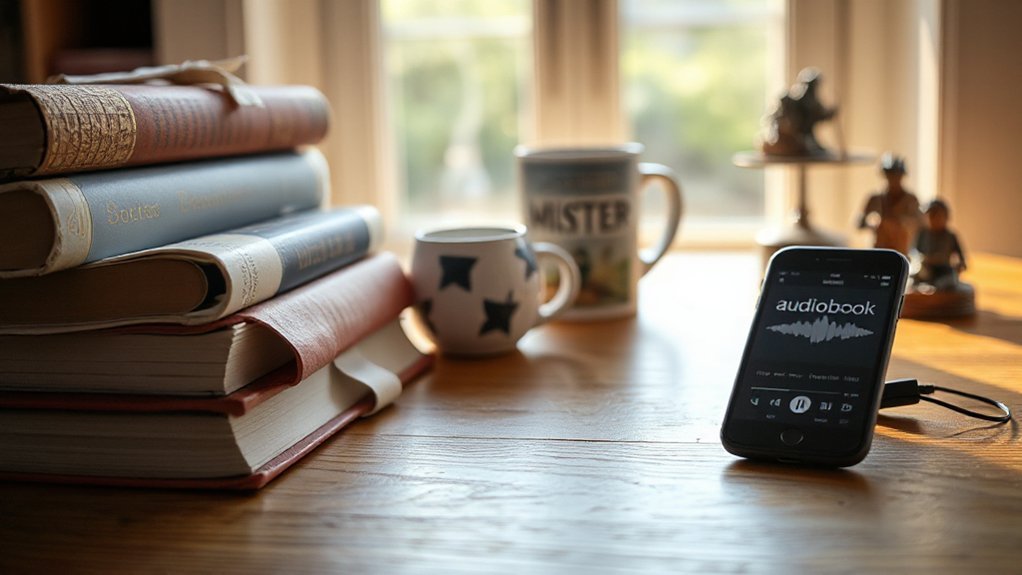
Last month you borrowed Sally’s stack of summer thrillers from the city library and saved about $80 — but you also waited two weeks for the next Michael Connelly, which tested your patience. I’m telling you this because deciding whether libraries or buying actually saves you money isn’t just math; it’s about how often you crave a new spine, whether you like the smell of paper, and how much you hate fines — stick around and I’ll walk you through the tradeoffs so you can stop guessing.
Key Takeaways
- Calculate cost-per-read (purchase price ÷ expected reads) to find when buying becomes cheaper than borrowing.
- Include hidden library costs (membership, fines, holds, printing) when comparing total expenses.
- Prefer ebooks/audiobooks or used paperbacks to lower purchase and storage costs.
- Factor in time, shelf space, and organization effort as part of ownership’s real cost.
- Use resale value and lending potential to recoup purchase costs and offset buying expenses.
How to Calculate the True Cost of Buying Books
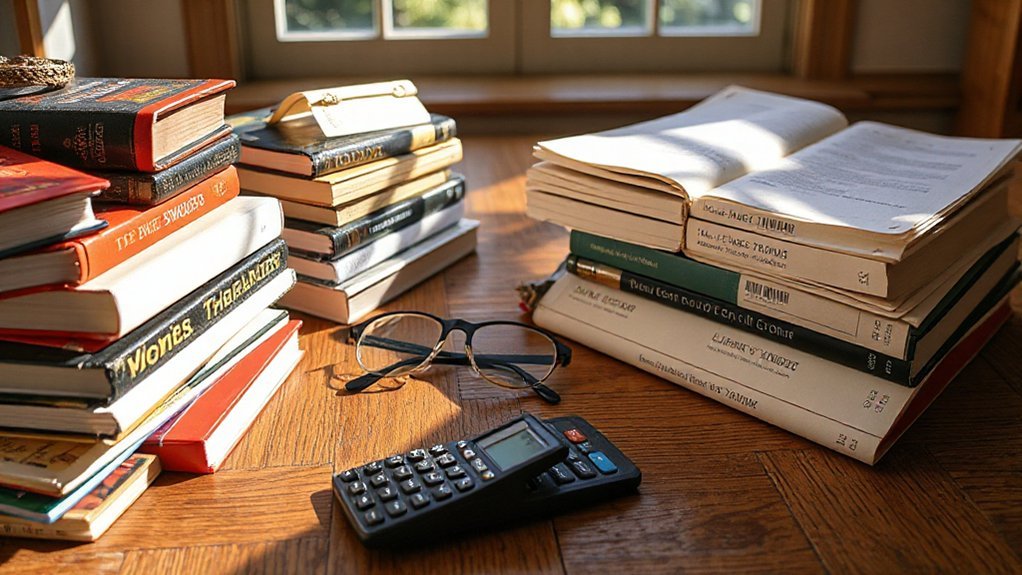
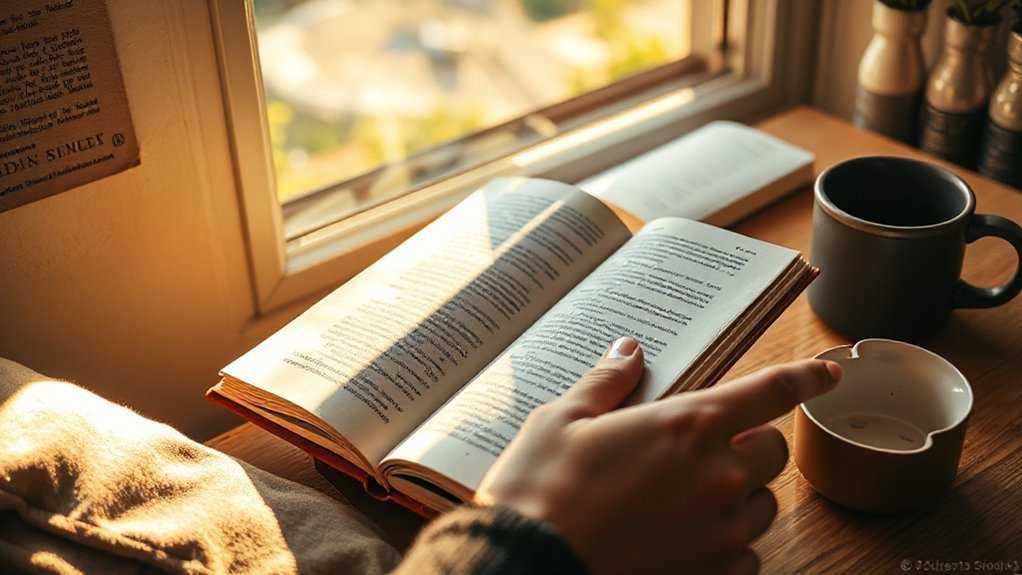
If you’re anything like me, you feel a little thrill when a fresh stack of books arrives—paper smell, crisp corners, the promise of quiet evenings—but that joy comes with a price tag you’re probably not adding up.
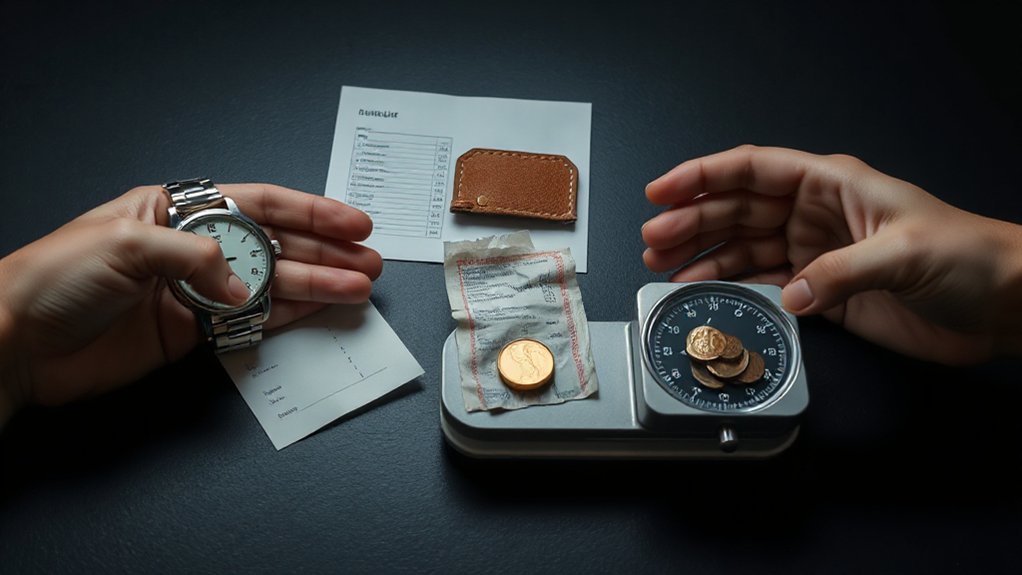
You’ll start calculating expenses the smart way: list purchase price, shipping, storage space, and the hours you’ll spend alphabetizing shelves.
Don’t forget depreciation—some books go from prized to dust-catcher fast. Then you’re comparing prices: new, used, digital, or paperback bargains.
Remember depreciation—today’s prized find can be tomorrow’s dust-gatherer, so weigh new, used, digital, or paperback options.
Try a quick spreadsheet, hold the receipt, and sniff the paper like a detective. You’ll spot patterns, cut impulsive buys, and invent better habits.
You’ll still buy joy, but you’ll buy it strategically, with a grin and less guilt.
Membership Fees, Fines, and Hidden Library Charges
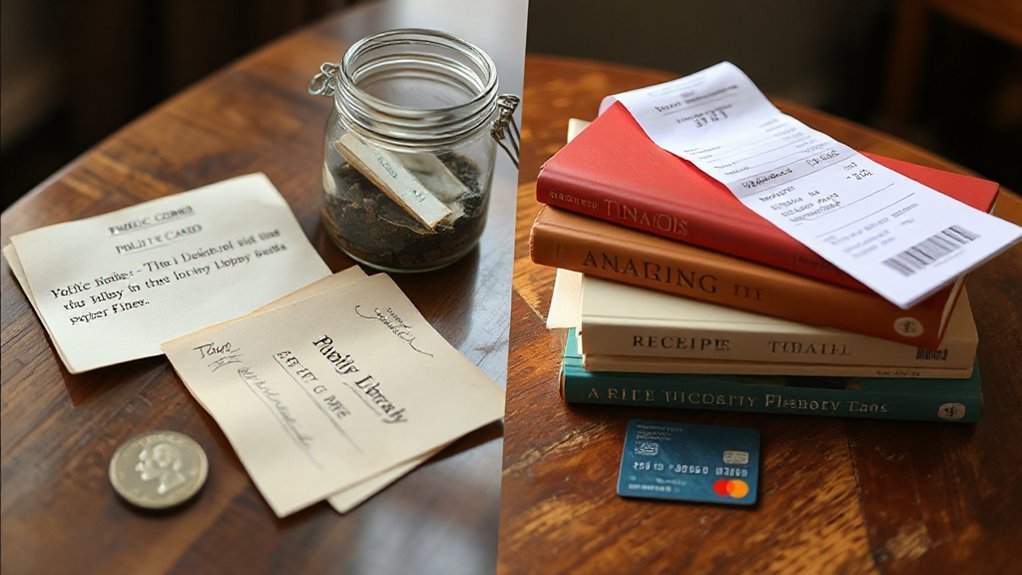
Wonder what your “free” library actually costs you? You stroll in, inhale paper and polish, smile at the circulation desk, but membership benefits often hide a small fee, tiered access, or partner charges.
I’ll tell you straight: check the sign-up rates, replacement fees, and card expiration fines, they sneak up. You’ll face late fines on popular titles, printing and reservation fees, even event charges.
These library costs can trick you into paying when convenience wins. Still, the value’s real—quiet study rooms, digital lending, curator picks—just map the fees against what you use.
I shrug at bureaucracy, but you shouldn’t. Audit your habits, tally the micro-costs, then decide whether the library’s perks justify the coins.
Frequency of Reading: When Buying Becomes Cheaper

You read fast, I know that look — when you’re going through three paperbacks a month, borrowing starts to feel like a slow drip.
Count the titles you reread and the ones you’ll keep on your shelf, tally the cost per read, and you’ll see a tipping point where buying is cheaper and you sleep better knowing the spine’s yours.
Read Volume Threshold
Let’s cut to it: I’ll tell you the magic number where buying beats borrowing, because nobody likes endless library trips with a tote bag full of sad, due-soon paperbacks.
You’ll spot your threshold by tracking reading habits and borrowing patterns, then doing a tiny bit of math. If you read more than X books a year, ownership saves cash and time, and you get that delicious spine-shelf pride.
- Count your annual reads, note formats, tally late fees, and imagine a bookshelf hum.
- Factor discounted buys, library wait times, and impulse holds that zap joy.
- Consider digital loans, audiobook passes, and how quickly you devour genres.
- Set a pragmatic break-even point, then iterate as your tempo shifts.
Repeat-Read Value
If you find yourself sneaking a favorite book back into your hands like a guilty snack, then buying usually makes more sense than borrowing—especially after the second or third re-read.
I’ve watched my own reading habits mutate into rituals: a midnight flip, the smell of the spine, the crease where I laugh. You know your book preferences, the authors you return to, the scenes you memorize.
Buying turns repeat pleasure into a small, smart investment. You’ll save library trips, late-return guilt, and the hunt for that exact copy. Plus, you can annotate, dog-ear, and spill coffee without apologizing.
For innovators who treat books as tools, not trophies, ownership short-circuits friction and keeps your favorite pages instantly accessible.
Format Matters: Paperbacks, Hardcovers, Ebooks, and Audiobooks
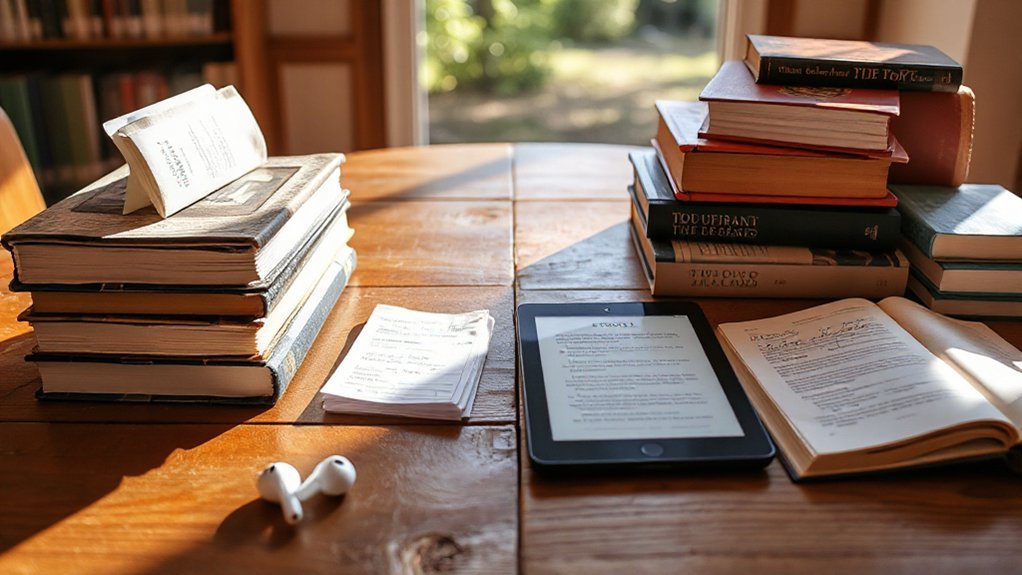
When I crack a spine, I hear a tiny, righteous creak—like an old friend clearing their throat—and I know right away what kind of reading day I’m in.
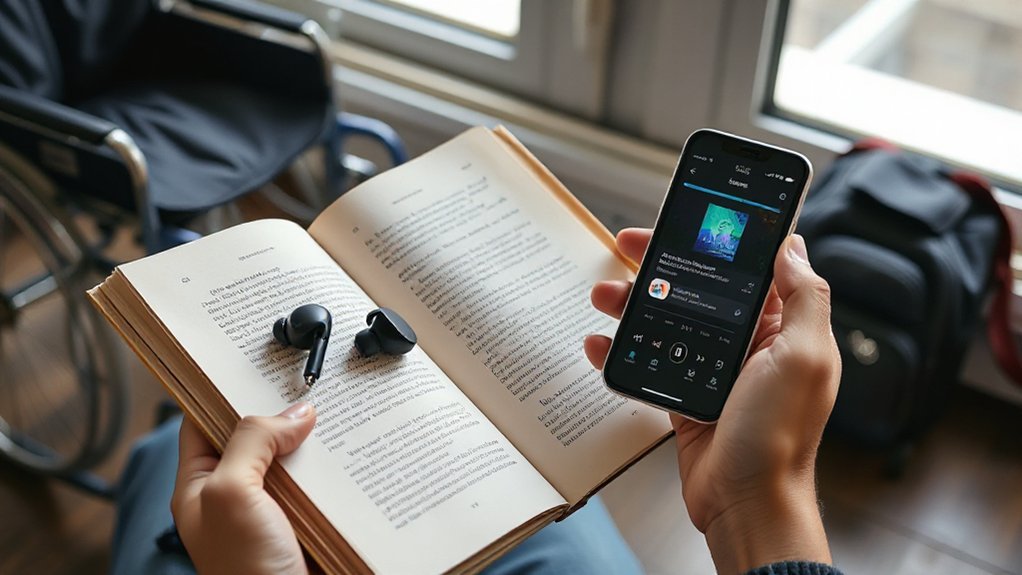
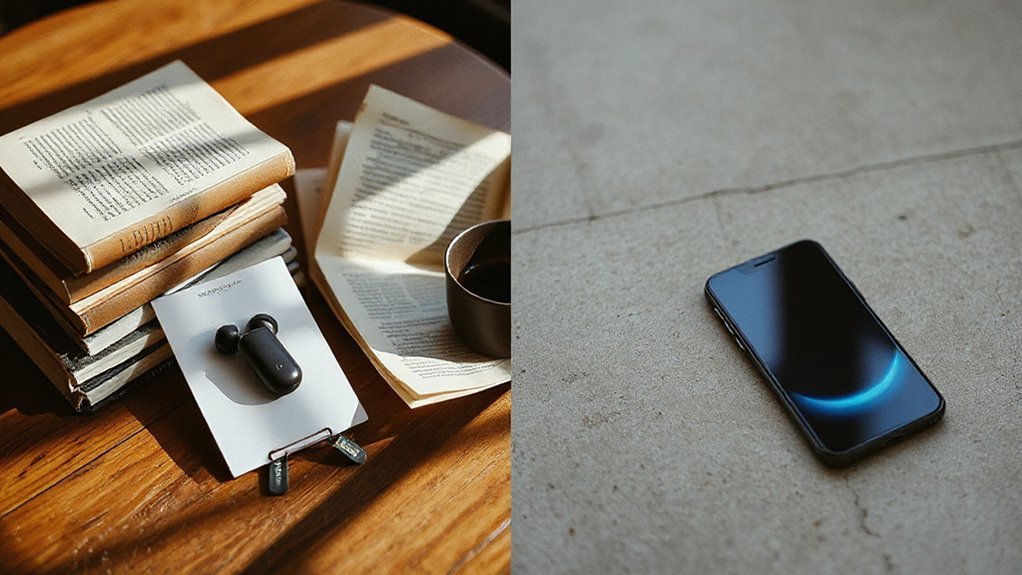
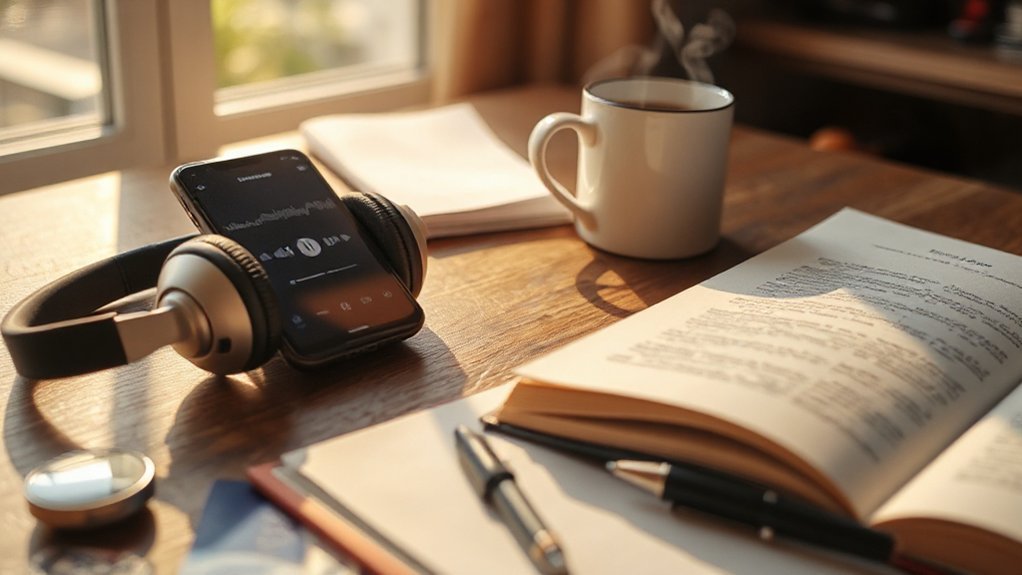
I size up paperback preferences, smile at hardcover durability, and admire ebook convenience while nodding to audiobook advantages; you pick the mood, I pick the format, we both win.
You’ll want formats that match your life, and you’ll want format trends that push smarter, leaner choices.
- tactile pleasure vs portability, the paper smell and the weight
- rugged hardcovers for keeps, stylish and stubborn
- instant ebooks, searchable, perfect for late-night tweaks
- audiobooks, hands-free immersion, commuting transformed
You’ll test digital accessibility, and you’ll love varied reading formats.
Space, Storage, and Decluttering Costs for Owned Books

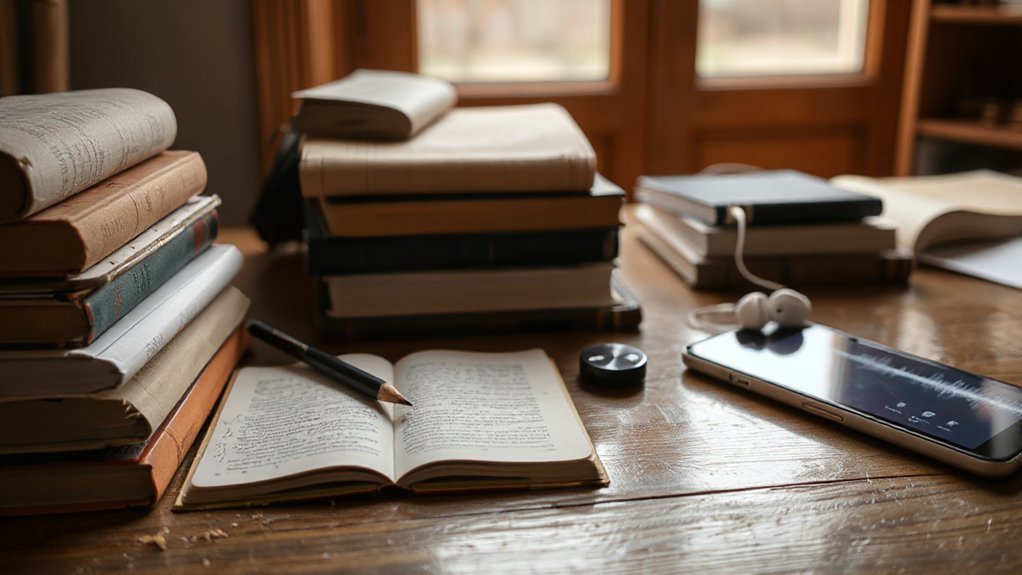
You think a few shelves are harmless, until you trip over a tower of paperbacks at midnight and swear you’ll sort them tomorrow—been there, I keep the band-aids next to the mysteries.
Measure your wall, count the spines, then tally the hours you’ll spend deciding which ones to keep, donate, or admit you’ll never reread; it’s less romantic than a bookstore, more like doing taxes with dust jackets.
If you own books, you’re buying shelf space and weekly decluttering time, so treat storage like a budget line and your future self will thank you.
Shelf Space Needs
One stack of paperbacks can feel like nothing, five shelves later it’s a catastrophe—I’ve watched this happen in my own living room. You’ll love the idea of a home library, until shelf organization meets space limitations, then reality bites.
You measure, rearrange, breathe, and still a novel leans like it’s tired. You want smart solutions, not chaos. You want sleek, scalable systems that look intentional.
- Use adjustable shelving, modular cubes, minimalist labels, and vertical risers.
- Rotate collections seasonally, keep high-read items accessible, archive rarities.
- Consider digital-first for overflow, slim hardcovers, and consolidated series boxes.
- Map shelf real estate, measure spine widths, estimate future acquisitions, budget space.
I joke, I measure again, then I buy one more shelf.
Decluttering Time Costs
Three hours, a cardboard box, and a guilty look in the mirror—that’s how decluttering your book hoard usually starts for me. You’ll feel the weight of spines, the dust smell, the tug of “maybe someday.”
I joke, I gripe, then I get tactical. You use decluttering strategies that pair with time management: 25-minute sprints, decision rules, three-pile sorting—keep, donate, digital.
You touch each cover, snap a photo of the rare ones, and hear the thunk as they hit the donate box. You’ll save shelf space and mental load, but factor the hours spent cataloging and boxing.
Innovation here means automating lists, using apps, outsourcing pickup. It’s honest work, and yes, oddly satisfying.
Opportunity Cost: Time Spent Accessing Library Materials
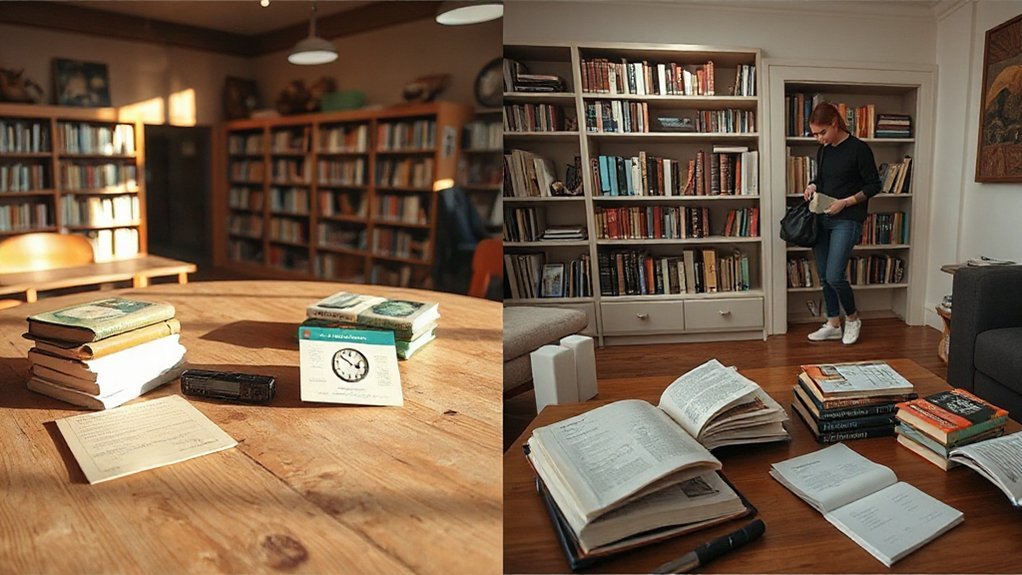
If you’re willing to brave the fluorescent hum and the librarian’s polite glare, the time it takes to get a book from the library becomes its own little adventure — or tiny punishment, depending on your mood.
You’ll navigate stacks, tap at a kiosk, wait for holds, and smell paper like it’s a startup perfume. For an innovator, library accessibility matters, but so does time efficiency; your minutes are currency, and you shouldn’t squander them.
- Travel and parking, which eats minutes before you even enter.
- Catalog searches and hold waits, a small roulette of availability.
- Physical checkout and queuing, tiny frictions that add up.
- Return trips or fines, hidden taxes on your schedule.
You’ll calculate whether patience or instant ownership fuels your momentum.
Resale Value, Gifting, and Lending Benefits of Owned Books

You’ll notice owned books often keep some resale value, so you can flip a worn paperback for cash at a used bookstore, or trade it for something new that smells like possibility.
I’ll wager you’ve felt the warm glow of gifting a favorite novel, watching someone’s face light up as if you’d handed over a tiny treasure chest.
And don’t forget lending—slide a book across a kitchen table, hear the excited “I’ll read it!” and enjoy the social ripple, plus the smug satisfaction of being the friend with the good stories.
Resale Market Value
Sometimes a book you loved becomes cash in your hand, and I’m here to tell you how that small miracle happens; I’ve sold boxes in basements, at yard sales under a hot sun, and online with my phone propped against a stack of dust-jacketed survivors.
You’ll learn resale potential fast, by watching market trends and noting condition factors; crisp pages sell, coffee rings don’t. Collector demand spikes unpredictably, so you’ll price smart. I’ll haggle, you’ll win.
Old hardcovers, first editions, and niche book formats behave differently, so diversify. Here’s what to test:
- Scout market trends on apps, note spikes and slow days.
- Inspect condition factors: spine, jacket, annotations.
- Research collector demand for editions, signatures, print runs.
- Apply pricing strategies: start high, allow offers, bundle slow movers.
Gifting and Generosity
When I hand someone a book, it’s practically a small ceremony—paper smell, the soft thump as it hits their palm, that tiny look they give that says, “You get me.”
I’ve gifted dog-eared mysteries to nervous neighbors, cookbooks to flustered new parents, and a beat-up poetry collection to someone who needed a quiet night; each exchange feels deliberate, like passing along a tiny, useful treasure.
You’ll find buying lets you curate gifts, tag them with notes, and spark delight in ways libraries can’t.
You can build a rotation for gift exchanges, keep classics to give later, or funnel duplicates into charitable donations with pride.
It’s frictionless generosity, plus a resale safety net if plans change.
Lending and Sharing Benefits
That little ritual of passing a paperback—smell of ink, the soft slap as it lands in someone’s hands—does more than make you look thoughtful; it opens up practical perks that libraries can’t match.
You hold resale value, you can gift a dog-eared favorite, and you get to start lending networks that actually feel human.
I’ll admit, I love the attention; I also love recouping cash, swapping titles at dinner, and watching friends’ faces light up.
You’ll build community sharing habits, tap into local swaps, and create micro-economies of paperbacks. It’s efficient, tactile, and slightly rebellious.
- You resell, recover money, repeat.
- You gift, create memories, connect.
- You lend, track conversations, expand taste.
- You host swaps, seed lending networks, grow community sharing.
Access to Rare, Academic, and Specialty Titles at Libraries

If you love the smell of old paper and the thrill of a title you can’t find online, you’re in the right place — I live for this stuff.
You wander stacks, fingers tracing spines, and stumble into rare collections that make you whisper. Libraries give academic resources you can’t buy at a store, and they catalog specialty acquisitions with librarian pride.
You request an exclusive title, they fetch it, you read like a thief of knowledge — legally. I point, you marvel, we both grin at marginalia and brittle endpapers.
For innovators, that’s gold: access, experimentation, and serendipity without bank-rupturing purchases. You’re saving money, sure, but more importantly, you’re accessing ideas that spark new projects, fast and free(ish).
Environmental and Ethical Considerations of Buying Vs Borrowing

Because you care about the planet more than your impulse buys, let’s talk about what a single book actually costs the Earth — and your conscience — before you swipe your card.
Because you care more than impulse buys, let’s weigh what one book costs the Earth — and your conscience.
You’ll weigh sustainability impact, and I’ll poke you a bit, because progress loves a nudge. Borrowing cuts production emissions, saves paper, and keeps shelves moving. Buying can support ethical sourcing, small presses, and authors directly, but it stacks up, literally and carbon-wise.
- Choose libraries to lower carbon footprints, reuse resources, and reduce waste.
- Buy from publishers with transparent ethical sourcing, fair pay, and recycled materials.
- Consider used books as a hybrid win, tactile and lower-impact.
- Share swaps or digital loans for quick, low-footprint reads.
Building a Personal Library: Investment Vs Hobby

One shelf, one splinter, one spine at a time — you start collecting books and suddenly your living room has opinions.
I watch you decide: is this a financial strategy or a charming hobby? You trace cloth covers, inhale paper, tally receipts on a napkin.
You’ll blend personal preferences with cold math, keep first editions for future value, donate duplicates, negotiate with used-book sellers like a seasoned trader.
Sometimes you read for joy, sometimes you flip covers like a speculator. You laugh at yourself when a stack becomes a fortress.
I nudge you toward hybrid moves: borrow for breadth, buy for depth. You’ll build a library that reflects taste and returns, sneakers on the carpet, coffee ring as proof.