No, these aren’t your granddad’s creaky ghost stories—these books will mess with your head and your sleep schedule. I’ve picked titles that sneak up on you: damp pine-scented trails turning wrong, empty houses that hum, and single moments that rearrange memory; you’ll close a page and listen to the house like it’s talking back. Stick around and I’ll tell you which ones will haunt you best.
Key Takeaways
- Prioritize slow-burn atmospheric novels that build dread through sensory detail and isolation.
- Choose books mixing psychological trauma with supernatural ambiguity for lingering, mind-bending fear.
- Seek unreliable narrators and shifting perspectives to create paranoia and surprise.
- Favor settings that turn ordinary places—forests, small towns, ships—into claustrophobic threats.
- Read recommendations like The Ritual, The Fisherman, Bird Box, The Silent Patient, and House of Leaves.
The Ritual by Adam Nevill

Okay, here’s the deal: I’ll tell you why The Ritual by Adam Nevill grabbed me by the collar and didn’t let go.
You step into a forest that smells of damp pine and old bones, you hear branches like brittle whispers, and you know something’s wrong.
The novel turns camping-gone-wrong into a study of ritual significance, each carved totem and strange ceremony stacking dread.
You feel sweat, hear shoes sink in moss, taste fear.
Nevill doesn’t scream, he leans close and whispers, that slow build is pure psychological terror.
You’ll laugh nervously, I’ll admit I jumped twice, and you’ll admire the clever, brutal economy of prose.
If you want innovation and visceral chills, this one’s a masterclass.
The Fisherman by John Langan
You’ll feel the slow burn from the first page, a misty, patient dread that tightens like a noose as you keep reading.
I’ll admit, it’s grief that runs the show here—two men, a haunted river, memories that smell like wet earth and old cigarettes—and the supernatural creeps in as if it’s been invited by sorrow.
Read it at night, windows closed, and don’t blame me when the silence starts answering back.
Slow-Building Dread
When I picked up The Fisherman, I thought I was signing up for a quiet fishing tale — turns out John Langan’s slow, patient dread is more like a line tightening around your throat.
You sit with him, you watch lakes darken, and atmospheric tension worms its way under your skin. I narrate the small, uncanny moments, the creak of a boat, the smell of wet cedar, and you feel existential horror bloom, quietly, inevitable.
You’ll laugh, nervously, at my attempts to sound brave, then jerk at a single sentence that turns your chest cold.
- Patient pacing that rewards attention, not jump scares
- Sensory detail: water, wind, decay
- Ideas that mutate into dread
- Quiet revelations that sting
Grief-Driven Supernatural
Because grief is the hook, not just the bait, The Fisherman lets sorrow steer the boat and the supernatural follow like a sad, obedient dog.
You read as I do, eyes sharp, and you feel the wet wood under your palms, the cast-iron cold of regret.
I tell you straight: this is grief exploration, not cheap scares. Bodies of water hide memories, and Langan makes the past surface with supernatural manifestations that smell like tar and old coffee.
You’ll sit with two men, trade barbs, then choke on a revelation, laugh to keep breathing.
I wink, I wince, I admit I cried once, in public.
It’s intimate terror, inventive, humane — the kind that stays with you on purpose.
Bird Box by Josh Malerman
I still remember the first time I read Bird Box—I was six pages in before I realized I’d been holding my breath, which should tell you something.
You walk through Malerman’s world blindfolded, literal and metaphorical, and you feel every scrape, every hush. This is psychological horror, and it toys with sensory deprivation to make fear intimate, surgical, personal. You’ll flinch at ordinary noises, learn to mistrust light, and laugh nervously at your own survival instincts.
- Tense, spare scenes that force you to imagine worse than shown.
- Clever, unsettling use of sound and touch over sight.
- Characters who react like people you know, not like props.
- Tight pacing, inventive threats, emotional stakes that sting.
Read it when you want your spine rewired.
Hex by Thomas Olde Heuvelt
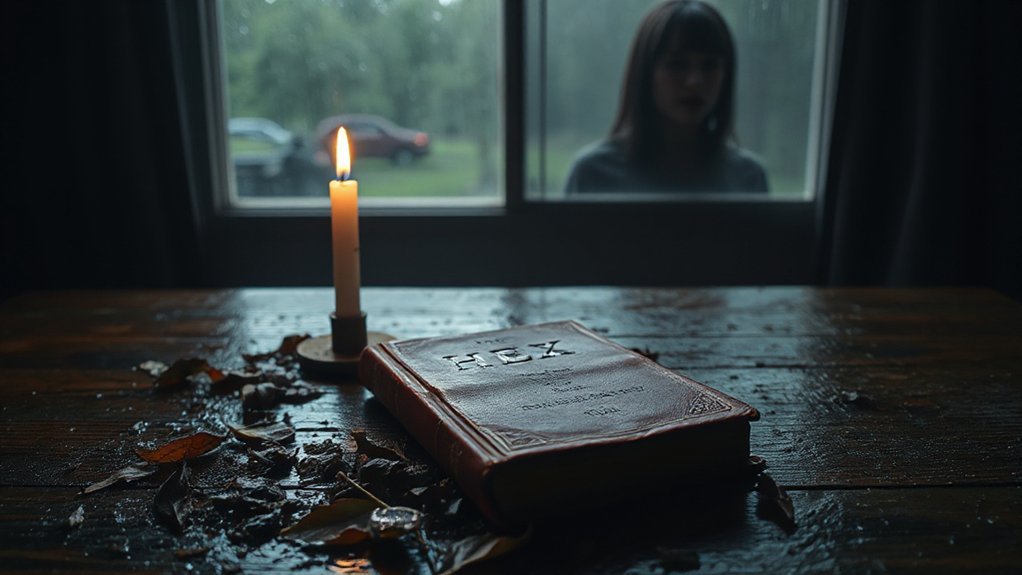
If Bird Box made you hold your breath, Hex will make you hold your tongue—because here the horror comes wrapped in polite smiles, town meetings, and overdue library fines.
You step into a town trapped by witchcraft themes, where the dead-eyed witch grins from every postcard, and neighbors clip her hair like it’s a civic duty.
I watch you read with a nervous grin, because this book sneaks up with small town horror rhythms — potlucks, gossip, rules scribbled on legal pads.
You’ll feel the wind smell of wet leaves, hear the creak of shutters, taste stale coffee at dawn vigils.
It’s clever, it’s ruthless, it forces you to pick a side, and you’ll argue aloud, yes, even at 2 a.m.
The Terror by Dan Simmons

When an Arctic gale snaps the world into monochrome, you feel the cold like a dare, and so did I the first time I opened The Terror.
When an Arctic gale drains color and warmth, you feel the cold as a dare—and I welcomed it.
You walk alongside doomed sailors, you smell seal oil, you taste frozen metal, and you learn how polar exploration becomes survival horror through slow suffocation.
I narrate, you shiver, we trade nervous jokes.
- A bleak historical fiction frame that doubles as an Arctic mystery.
- Supernatural elements creep in, subtle and relentless, not loud cheap scares.
- Psychological tension grows, character isolation tightens like a noose.
- Atmospheric dread is the engine, detailed, inventive, unapologetically cruel.
You’ll relish the innovation, the grim elegance, and the way Simmons makes cold feel personal.
The Silent Patient by Alex Michaelides
I’m going to make you suspicious of every sentence, because this book sneaks an unreliable narrator twist that hits like a cold hand on your neck.
You watch psychotherapy turned into a weapon, scenes clipped tight, dialogue sparring and clinical notes that smell faintly of antiseptic and betrayal.
Hold on, I promise the tension through restraint will make you sit straighter, not breathe easier.
Unreliable Narrator Twist
Here’s a little trick I love: you read a story thinking you’re holding the map, then the narrator rips it up and hands you a different one, smiling.
I tell you this because The Silent Patient uses an unreliable character to jolt you, and you’ll feel the floor tilt under your feet. You sense the textures, the clinic’s stale coffee, the narrator’s casual lies slipping like wet paper. You’ll trust, then squint. It’s narrative deception played like a prank, clever and clinical.
- sudden shift in perspective that makes you reevaluate every scene
- small, sensory clues that grow into a reveal
- voice that convinces, then betrays, with a wink
- pacing that tightens into a gasp
You’ll love being fooled, I promise.
Psychotherapy as Weapon
You thought the narrator’s fake map was the sharpest trick in the book, didn’t you?
I watch you squirm as a therapist turns clinic calm into a cold stage. You lean in, smelling antiseptic and coffee, while he redraws therapeutic boundaries like a cartographer with a scalpel. He smiles, notes your habit, talks about progress, then nudges and kneads until your secrets wobble free.
It’s clinical, clever, and cruel, a lesson in how psychological manipulation can wear a white coat. I grin, admit I’m impressed, and feel a shiver in my teeth.
You’ll want to catalog every small gesture, every phrase. That’s the innovation — clinical care used as instrument, intimate, precise, quietly terrifying.
Tension Through Restraint
When silence becomes a weapon, you feel it like cold breath on the back of your neck, and The Silent Patient teaches that lesson with steady, surgical patience.
I watch you tighten, listen to the air, and narrate how restraint becomes roar. You get psychological suspense without loud scares, emotional restraint that sharpens every glance, every undone sentence.
I point, you flinch, we both grin at the cruelty of quiet.
- Sparse dialogue that hums, not shouts, heightening dread.
- Small gestures that scream louder than explanations.
- A narrator who peels layers, slow and clinical, then surprises you.
- Scenes staged like an MRI, each pulse revealed, precise and cold.
You’ll love its clever, minimalist cruelty, I promise.
House of Leaves by Mark Z. Danielewski
Light flickers off the spine like a warning, and I’ll be honest — this book will mess with your head in the smartest, creepiest way possible.
You turn pages and the layout bites back, margins yawning, footnotes leading you down rabbit holes, the narrative structure itself becoming a character, sly and hungry.
I read in a dim room, fingers tracing weird maps on the page, and felt rooms grow colder.
It sneaks up as existential dread you didn’t RSVP for, then lingers like bad perfume.
You’ll laugh nervously, whisper to the book, and duck when a sentence lunges.
It’s an experiment disguised as a house, daring you to navigate corridors of thought, memory, and terror.
Trust me, bring a light.
The Cipher by Kathe Koja
A black hole of a manhole, that’s the first thing I think of when I remember The Cipher — a slick, hungry hole that pulls everything small and fragile toward it. You watch, fascinated and sick, as ordinary rooms become stages for collapse.
I’ll tell you straight: the cipher’s symbolism isn’t just clever, it gnaws. You feel texture, breath, the wet echo of curiosity turned rot. It’s psychological horror that refunds your bravado, and you’ll laugh to hide the panic.
- A void that offers impossible intimacy
- Objects change meaning, your hands learn betrayal
- Quiet scenes that suddenly constrict, sensory details sharpen
- Characters unravel, and you enjoy the unraveling too much
Read it if you want clever dread.
The Reddening by Adam Neville
If you like being gently nudged into panic, you’ll love The Reddening — I mean that in the nicest way possible, like offering you tea right before the house creaks.
You walk into Adam Neville’s crooked world, and I promise, you notice the little things first: a smell of wet earth, a rasp on fabric, a candle sweating wax.
I guide you through ritualistic elements that feel authentic, not theatrical, so your skin tightens, your breath shortens.
It’s psychological horror that whispers, then laughs, then pins you to the floor with logic that doesn’t hold.
You’ll recognize people, then lose them. You’ll question your senses, and I’ll join you, nervously.
Read it at night, leave a light on, tell yourself you’re fine — you’ll enjoy the panic.
The Hole by Hye-Young Pyun
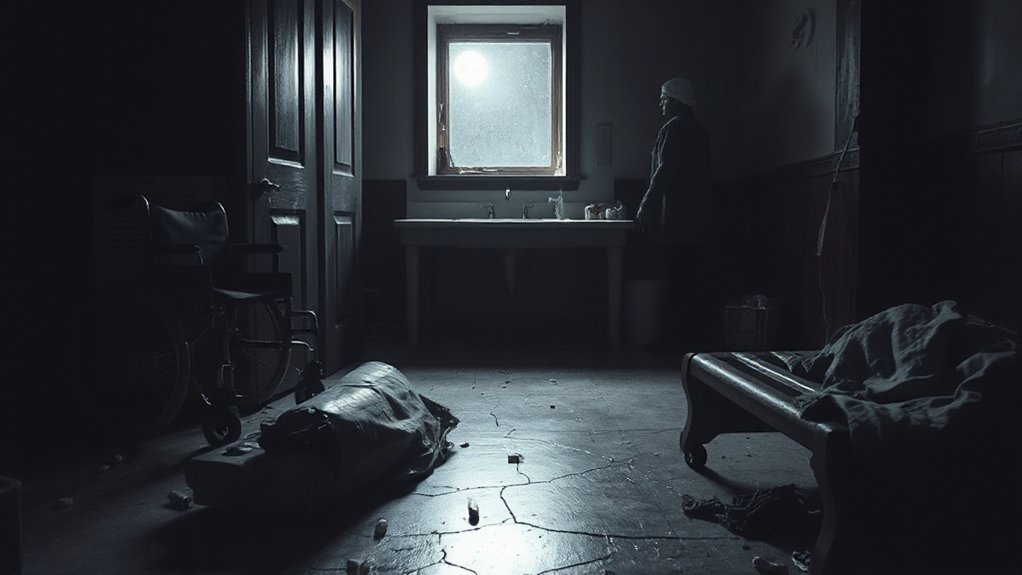
You’ll find yourself cramped in a hospital room, hands sticky from too many quick, useless wipes, as the book pins you into physical and emotional confinement.
I’ll warn you — grief eats away at the edges of every thought here, a slow, acidic drip that makes the narrator’s memory wobble, and you’ll squint at what’s real.
Expect sharp, quiet moments and a voice that can’t be fully trusted, which is exactly what keeps you turning pages, despite yourself.
Physical and Emotional Confinement
Even though it’s only a single room at first, I felt the walls closing in like a slow, polite handshake that never ends.
By the time the handshake turned into a grip, I was already calculating escape routes I couldn’t use.
You stand in The Hole, you watch a body shrink to a point, psychological isolation pressing like a damp sheet, claustrophobic settings turning ordinary corners into threats.
I narrate, I wince, I tell you the small, exact things that make terror cunning.
- dim light scraping paint, the hum of a fridge like a distant engine
- shoes lined by the door, ghosts of leaving you can’t take
- the scent of boiled broth, memory turned weapon
- the ticking clock, patience becoming a predator
You feel it, don’t you?
Grief’s Corrosive Effects
When grief comes for you in The Hole, it doesn’t roar — it tiptoes, tucks itself into the folds of daily life and rearranges the furniture until you don’t recognize the room; I watched it eat the margins of language, the little verbs that used to mean action, and felt everything slow to a damp ache.
You navigate grief processing like a map folded wrong, tracing routes that used to be straight, bumping into the same furniture. You count dishes, rinse cups, measure silence.
The book makes emotional turmoil tactile — the metal of the walker, the smell of disinfectant, the hollow thud of footsteps you used to share.
I joke to survive, I admit I’m fragile, and you keep reading, quietly complicit.
Unreliable Narrator’s Perspective
If I tell you I’m mostly honest, you can choose to laugh or sympathize — I won’t be offended either way.
I speak to you from a hole, literally, and I narrate in a way that makes you doubt your own eyes. You smell damp earth, you hear the scrape of a spoon, you feel my small triumphs, and you sense narrative distortion like a funhouse mirror.
I’m clever, I’m wounded, I’ll nudge you toward sympathy, then yank it away. That’s psychological manipulation, and it’s brilliant.
- unreliable memory that rewrites scenes as you read
- domestic detail turned uncanny, vivid and tactile
- voice that flirts with confession, then lies
- tight, relentless perspective that traps you
Leave a Reply