Author: LeoStar

  • Top 10 Books That Feel Like a Movie

    Top 10 Books That Feel Like a Movie

    You know that spine-tingle when a scene plays like it’s already been shot? I’ve picked ten books that do that—rich sets, snap dialogue, and twisty pacing that makes you feel you’ve got popcorn in your lap; the circus smells of caramel and rain, a frozen highway crunches underfoot, a cliffside lawsuit hums with tension. I’ll point out the big moments, the filmmakers’ candy, and the few books that still surprise you—so stick around, you’ll want to argue with me.

    Key Takeaways

    • Choose books with cinematic pacing, vivid set pieces, and scenes that translate easily into visual moments.
    • Prefer novels with strong atmosphere and sensory detail that make settings feel tactile and film-ready.
    • Look for ensemble casts, alternating perspectives, or interwoven narratives that mimic film editing and montage.
    • Favor stories with high-stakes conflict, moral ambiguity, and unreliable narrators for gripping, twist-driven plots.
    • Seek novels whose prose creates memorable tableaux and emotionally cinematic beats resembling movie scenes.

    The Night Circus
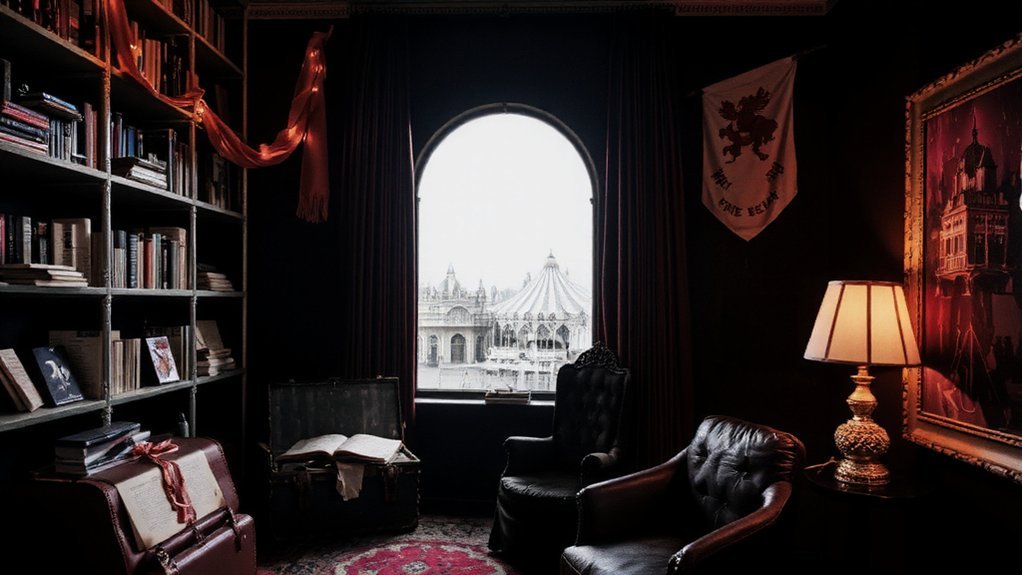
    magical realism and spectacle

    If you step into a circus that only opens at night, you’ll expect tricks and trombones — yet this one breathes like a living set piece, and it’ll steal your attention before you’ve had time to blink.

    You wander under striped tents, you taste cold caramel, you hear clocks ticking like secret metronomes. The novel wraps you in magical realism, it layers enchanting visuals on every page, and you feel scenes unfold like film reels.

    I’ll admit, I sighed at the first illusion, then grinned when a tableau surprised me. You watch rivals craft wonders, you smell ozone and old paper, you sense stakes rising.

    Dialogue snaps, pacing hums, and the prose stages each reveal. Read it if you want spectacle you can almost touch.

    Gone Girl
    psychological thriller with deception

    When you open Gone Girl, you’ll feel like you’ve walked straight onto a crime-scene set where the camera loves ugly truths and everyone’s lying to look good on film.

    Step into a crime-scene film where the camera adores ugly truths and everyone lies to look stylish.

    You plunge into a psychological thriller that plays like a noir experiment, and I’ll nudge you when the light changes.

    You’ll smell coffee, cold rain, cheap perfume, hear police radios, catch the rhythm of two voices that trick you.

    The unreliable narrator flips the script, so you mistrust what you see and trust the gaps instead.

    You’ll grin at the craft, wince at the cruelty, turn pages fast, then slow, because the book’s staging is clever, bold, cinematic.

    It’s sharp, messy, and satisfies your taste for new, audacious storytelling.

    The Road
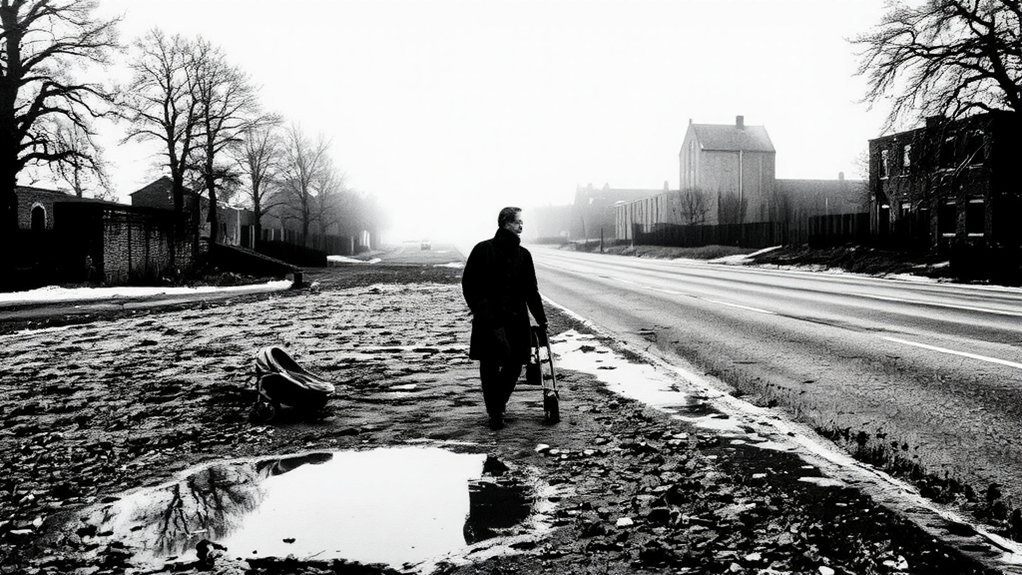
    post apocalyptic survival journey

    Ashes taste like memory; I’m not being poetic, I’m just honest — you’ll know the flavor fast. You walk with a boy, I say “we,” because you feel like my shadow, we trudge through gray, cold wind slicing your face, and the road goes on like a dare.

    Cormac McCarthy turns a post apocalyptic journey into tactile grit: ash underfoot, canned peaches that taste like victory, the constant click of scavenged items. You’ll find survival themes braided with father-son love, bleak humor, and tiny triumphs.

    I point out the clean sentences, the spare dialogue, the scenes that play like film. It’s bleak, yes, but thrilling, intimate, and oddly hopeful — in a stubborn, stubborn way.

    The Secret History

    You step onto a ivy-clad quad that smells like rain and old books, and I’m right behind you, whispering that this campus is prettier than it should be and twice as dangerous.

    You’ll watch pretty people make ugly choices, feel your stomach tighten as moral lines blur, and mouth the kind of bad advice you’ll pretend you didn’t give.

    We move slow, tension stretching like film grain, and by the time the secret spills, you’ll be both horrified and oddly proud you stuck around.

    Gothic College Atmosphere

    Though the campus looks picturesque in postcards, I’ll admit it felt like a set built for mischief from the first step through the iron gate; fog hugged the stone, dry leaves skittered like whispered secrets, and the ancient hall smelled of dust, pipe tobacco, and too many late-night confidences.

    You wander under gothic architecture, you notice the eerie ambiance, and you grin because it’s deliciously theatrical. You’ll overhear academic rivalry muttered over coffee, spot furtive glances that mean secret societies, and trace chalky initials on a window sill that hint at dark secrets.

    You feel the haunting isolation, yes, but it sharpens senses, fuels obsession, and makes every corridor thrum. I’m not immune, I lean closer, I listen, and I stay.

    Moral Ambiguity Explored

    I stand at the chapel steps and watch the students pass, the fog lifting enough to show the way their faces tighten when they talk about what’s right, then soften when they joke about what they did; it’s amazing how easily nobility and selfishness swap costumes here.

    You get pulled into moral dilemmas, nudged to choose, then surprised when choice rots into consequence, and you grin because you thought you’d be smarter.

    You smell rain, hear footsteps, see laughter that’s almost a lie.

    1. You’ll love the ethical grayness, it’s sleek, it’s unsettling, it forces improvisation.
    2. You’ll question loyalty, artifice, your own small cruelties.
    3. You’ll leave thinking, then laughing at yourself.

    Slow-Burn Suspense

    When the snow keeps falling and the campus hush grows thicker, you start to notice the way conversations stop mid-sentence, like someone just cut the music.

    I watch you lean in, and I promise you, this is where slow-burn suspense lives: long glances, small betrayals, and an awful calm that screams. You feel tension building in the air, a deliberate crawl, not a jump scare.

    Characters move like clockwork, their routines cracking, and you study each quirk because character development matters more than plot points here. I joke, I wince, I whisper lines you’d say if you were braver.

    You taste cold breath, hear boots on ice, and you keep turning pages, savoring the slow, satisfying unravel.

    Little Fires Everywhere

    You watch two families orbit each other, you smell lemon disinfectant and burning toast, and you’re clued into both sides at once—one voice calm and curated, the other raw and restless.

    I’ll point out the simmering tension under the suburban wallpaper, the secrets that hum like a faulty fuse, and the way loyalties harden into unexpected weapons.

    Twin Perspectives, Simmering Tension

    Even though the whole Richardson household looks like a Pinterest board, I’ll bet you can smell the hidden smoke before you see the first spark.

    I watch you lean in, because Elena and Mia’s twin dynamics aren’t genetic — they’re a mirror game, a dare. You feel narrative tension in every glance, every quiet kitchen scrape.

    I’ll admit, I cheer for messy truth, and you’ll love the slow burn.

    1. Two viewpoints, one pulse — you alternate breaths with both narrators, it’s cinematic.
    2. Small acts, big detonations — a spilled coffee becomes evidence, you notice.
    3. Quiet dialogue, loud stakes — you overhear, you judge, you’re complicit.

    You’ll close the book, slightly singed, oddly exhilarated.

    Suburban Facade, Hidden Truths

    Though the McCulloughs’ lawn looks like a glossy ad, you can smell something off — faint, plastic, like sunblock left in a closed car — and I’ll bet you’d recognize it too, if you’d ever lived in a place that insisted on being perfect.

    You walk their sidewalks, notice the haircut symmetry, the matching recycling bins, and you grin, privately amused.

    Then you spot the cracked patio tile, a kid’s shoe half-buried in mulch, a furtive glance through blinds, and the whole setup shifts.

    Suburban secrets hum under the hedges, hidden lives pulse behind garage doors, deceptive appearances are peeled back by curious neighbors and slow-burning choices.

    You watch truth unraveling, like ribbons at a party, and you can’t look away.

    Moral Ambiguity, Fierce Loyalties

    If you live in Shaker Heights—or pretend you do because you like the idea of order—you’ll learn fast that rules can come with teeth.

    I watch characters skitter around neat lawns, and you feel the grit under those polished shoes. You’ll face moral dilemmas that sting, loyalty conflicts that tug your sleeves. The air smells like cut grass, guilt, and cheap coffee. You lean in, because the choices are messy, urgent, and oddly elegant.

    1. Secrets that sound reasonable, until they break things.
    2. Mothers who protect, and children who rebel, both brilliantly wrong.
    3. Small betrayals that explode into town-wide judgments.

    I crack a joke, then hush it, because the next scene slams into you, vivid, precise, unavoidable.

    Cloud Atlas

    One book, six stories, and a rollicking sense that the whole thing was stitched together by a slightly mad tailor — that’s how I felt when I first opened Cloud Atlas.

    You’ll ride a kaleidoscopic narrative structure that darts through time, voice, and genre, and you’ll love that it trusts you to keep up.

    I narrate a bit, I grin at the audacity, then I hand you a scene: rain on a ship’s deck, the metallic tang of ink, a future city buzzing like a nervous hive.

    Thematic depth sneaks up on you, punches your curiosity, then hands you a clue.

    It’s cinematic, bold, sometimes puzzling, always electric.

    Read it aloud, or whisper, either way it’ll stick to your ribs.

    The Girl With the Dragon Tattoo

    You step into a freezing Swedish night, and the air tastes metallic. The streets echo with distant engines and a sense that something’s very wrong.

    You’ll meet Lisbeth, fierce and unreadable, and Mikael, tired but stubborn, their moves precise, messy, and utterly compelling.

    I won’t pretend it’s cozy — it’s stark, chilling, and it grabs you by the collar until you can’t look away.

    Stark, Chilling Atmosphere

    Cold wind, sharp as metal, hits you the moment the door opens — and that’s before Lisbeth walks in.

    I tell you, the book breathes cold; you feel atmospheric tension crawl up your spine, and the haunting imagery stays in your head like a stubborn song.

    You move through rooms that smell of old paper and wet wool, you hear snow under boots, you squint at faces half-hidden by fog.

    1. Tight, cinematic scenes that make you turn pages like you’re rewinding film.
    2. Sparse, precise descriptions that upgrade mood into physical pressure.
    3. Unexpected details — a rusted screw, a child’s laugh — that keep you inventing outcomes.

    I wink, because it’s terrifying and kind of brilliant.

    Complex, Driven Characters

    There’s something about Lisbeth Salander that makes me catch my breath, every single time I reread her scenes — not because she’s mysterious, but because she’s relentless.

    You meet her and you know the book won’t let you skim; it grabs your eyes, your pulse, and your stubborn heart. I guide you through tight halls, rain-slicked alleys, fluorescent-lit offices, and you feel her decisions like small detonations.

    Her character development isn’t tidy, it’s jagged, honest, and addictive. You care because she’s complicated, because Stieg Larsson gives her emotional depth without pity.

    I joke that I’d follow her into any dark basement, and you laugh, nervously. That mix of grit and genius, that’s cinematic, immersive, and utterly driving.

    The Goldfinch

    A painting starts the trouble, and what a painting—duck-egg blue sky, a boy on a chair, a tiny gilded bird that won’t let go.

    A painting sparks everything—duck‑egg sky, a boy, a stubborn gilded bird, and trouble that won’t let go.

    You follow Theo through chaos, feel the dust under your nails, smell old varnish, and watch artistic inspiration morph into an emotional journey that keeps surprising you.

    I tell you, it reads cinematic.

    1. You get swept into long, sensory scenes, vivid like a film set.
    2. You meet flawed people, clever dialogue, small gestures that echo.
    3. You ride memory and risk, tense moments cut with dry wit.

    I speak plainly, I wink, I admit I was hooked.

    You’ll nod, grimace, laugh, maybe cry.

    It’s bold, messy, inventive—just the way you like a book that feels like a movie.

    Station Eleven

    If civilization can unravel in the time it takes you to finish a sandwich, you’ll still want a map, and that’s what Station Eleven hands you — a haunted, gorgeous map stitched out of theater, memory, and travel.

    You follow a post apocalyptic journey that’s intimate and cinematic, actors on a roving stage, winded lines, and the smell of diesel and stale coffee.

    I’ll tell you straight: it’s tender and ruthless, funny in a small, astonished way.

    Scenes snap into place, then smudge into flashback. Interconnected narratives loop like film reels, characters trade secrets, grief, and jokes.

    You’ll picture each ruined billboard, taste the cold, hear a violin.

    It’s smart, spare, and oddly hopeful.

    American Gods

    You just left a world where a ragged theater troupe kept civilization’s stories alive, and now I’m dragging you straight into a road-trip full of gods who’ve got as many faces as bad decisions.

    You grab the wheel, smell diesel and incense, hear thunder from a jukebox, and I tell you straight: this book bristles with mythical themes and sharp cultural commentary, it’s cinematic, weird, and smart.

    You’ll meet old gods with bad habits, new gods with better tech, and a man between worlds who keeps asking what home even means.

    1. Strange encounters that feel shot-for-shot.
    2. Dialogue that snaps, cuts, and lingers.
    3. Ideas that demand new storytelling tools.

  • The Best Books That Celebrate Queer Joy

    The Best Books That Celebrate Queer Joy

    You walk into these books like into a sunlit kitchen, coffee steam fogging your glasses, and someone hands you a slice of pure, ridiculous joy; I’ll point out the ones that make you laugh aloud, swoon hard, and choke up without apology, because you deserve stories that hug back. They’re tender, funny, messy—full of secret dances, late-night confessions, and found-family chaos—and I’ll tell you which pages will stay warm in your hands, and why you’ll want more.

    Key Takeaways

    • Look for novels and short-story collections that foreground tender queer relationships, sensuality, and everyday warmth rather than trauma-focused plots.
    • Choose memoirs that mix humor, community, and self-acceptance to celebrate queer living with vivid, party-like scenes and chosen-family moments.
    • Pick poetry and lyric essays that mythicize domestic rituals and small pleasures, turning ordinary love into luminous, portable joy.
    • Favor coming-of-age stories with witty, heartfelt narrators navigating crushes, identity, and messy friendships that evoke laughter and growth.
    • Seek books whose sensory, playful prose — citrus, rain, diners, dance floors — creates lingering warmth and invites shared connection.

    Novels That Radiate Tenderness and Desire

    tenderness desire intimate connections

    If you’ve ever opened a book and felt your chest loosen, you’re in the right place — these are the novels that do tenderness like a practiced hand, and desire like it’s a small, delightful secret between the pages.

    You’ll find intimate connections that hum, scenes that taste like citrus and rain, characters who brush fingertips and say everything with a look.

    I’ll point you toward sensual storytelling that feels new, bold, affectionate; it won’t shame you for wanting pleasure, it’ll teach you how to savor it.

    You’ll walk through kitchens, subway cars, twilight lawns, overhear witty banter, wince at jealous shadows, then laugh.

    Read these for warmth, for daring, for small revolutions in the chest.

    Memoirs of Living Out Loud

    vibrant community and acceptance

    A handful of memoirs hit you like a surprise party — loud, warm, and slightly chaotic — and these are the ones that refuse to be small.

    I’ll tell you straight: these books make you smell the perfume of late nights, feel the stiffness of a borrowed suit, laugh at missteps, then breathe deep.

    You follow self acceptance journeys that sting and glow, scenes cut to fluorescent diners, sweaty dance floors, whispered confessions.

    The narrator winks, you nod, community appears, vivid and messy.

    You overhear a line of dialogue, you wince, then grin.

    These pages map vibrant community connections, scaffold chosen family, show protests, potlucks, slow breakfasts.

    Read them aloud, share them, pass them on — they refuse to stay private.

    Short-Story Collections Full of Play and Connection

    joyful connections through stories

    You’ll find short stories that hit like warm sunlight on your face, small scenes where a hand brushes another, a joke lands, and everyone feels seen.

    I’ll point you to tender queer interludes that linger, and playful found-family moments that spark, like potluck dinners, late-night confessions, and the perfect, ridiculous dance-off.

    Read one, and you’ll want to text your friend mid-plot, because joy here is loud, messy, and unignorable.

    Tender Queer Interludes

    When I need a break from big, sweeping novels, I reach for short stories that feel like warm handholds—tiny lanterns you can tuck in your pocket.

    You’ll find tender queer interludes that pry open moments, small and electric, where queer intimacy glows in the margins. You read a scene, you smell rain on pavement, you feel a hand slip into yours, and you grin because it’s honest, weirdly sacred.

    These pieces trade grand arcs for soft, honest pulses, they let you linger on a look, a joke, a shared sandwich. Joyful connections land like musical notes, brief and resonant.

    I say, carry a collection, flip to any page, and let a short story resettle your heart.

    Playful Found Family Moments

    Okay, let’s swing from those quiet, rain-scented moments into something louder, sillier, and full of snacks.

    You walk into a living room that smells like popcorn and citrus, someone’s playing a toy piano, and you instantly know you’re home.

    I point at the mismatched mugs, you laugh, we invent a secret knock.

    These short stories hand you found family in fast, brilliant bursts — messy dinners, midnight dance-offs, whispered confessions at 2 a.m.

    They’re about joyful gatherings, sticky cupcakes, and the exact way light falls on a friend’s shoulder.

    I’ll make you grin, then sting you a little, then hug you with words.

    Read one, and you’ll want to call everyone you love, right now.

    Poetry That Celebrates Love and Everyday Magic

    If I’d to pick one thing that makes my chest warm on a gray Tuesday, it’s finding a poem that talks about love like it’s tea—simple, hot, and harmlessly addictive—then watching the ordinary sparkle back at me.

    You read lines that tuck into your ribcage, celebrating love and everyday magic, and you grin like a secret. Poems show small rituals—steaming mugs, a hand on a subway pole, a laugh that fixes a bruise—and they make you feel seen, experimental, brave.

    You want language that invents new ways to say yes, that recombines sound and rhythm into fresh routes.

    1. Short lyric bursts that hit like a wink.
    2. Domestic moments turned mythic.
    3. Playful metaphors that rewire desire.

    Coming-Of-Age Tales Brimming With Humor and Heart

    Poems leave you with a cup in your hands and a grin; coming-of-age stories hand you that same cup and say, “Drink up, idiot, we’re only getting started.”

    I’m talking about books that make you feel awkward and brilliant at once—those messy, laugh-out-loud, heart-punching novels where the protagonist trips over crushes, family rules, and their own stubborn ideas about who they’re supposed to be.

    You’ll watch skin prickle in summer light, hear cheap cassette tapes skipping, and smell cafeteria fries as identity exploration unfolds with bright, stubborn clarity.

    I guide you through scenes that sting and soothe, where humorous friendships teach hard truths, where messy plans become small revolutions.

    You’ll laugh, wince, then grin, knowing you’ve leveled up.

    Queer Romances That Choose Joy Over Pain

    I’m here to sell you on romances that skip the slow burns of doom and instead sprint toward the good stuff: giggles, hand-holds, and mornings that smell like coffee and possibility.

    You want bold, inventive love, joyful escapism that still feels grown-up, and romantic resilience that doesn’t erase struggle but refuses to make it the whole story.

    Picture neon bakery counters, sloppy kisses in rain, and partners who fix your bike and your mood.

    1. Bright meet-cutes that turn into steady warmth.
    2. Lovers who argue, apologize, then cook breakfast together.
    3. Plots that invent playful stakes, not trauma porn.

    You’ll smile, sigh, and, yes, believe in happy endings again.

  • How to Host a Successful Virtual Book Club

    How to Host a Successful Virtual Book Club

    Pick books that provoke, pick tech that works, pick nights that stick—you’re already doing half the job. I’ll walk you through the rest: how to choose titles that spark debate, set up Zoom so nobody freezes mid-point, and craft rules that keep conversations kind but lively; you’ll get prompts, small rituals, and a few themed nights that actually land—plus the secret to keeping people coming back, which isn’t what you think.

    Key Takeaways

    • Choose discussion-friendly books with rich characters, themes, and cultural context to spark diverse perspectives and debate.
    • Pick a reliable platform (Zoom, Discord, or Google Meet), test tech ahead, and provide simple how-to instructions for members.
    • Set a consistent schedule and clear meeting format (hellos, focused discussion, wrap-up) to respect time and build routine.
    • Establish inclusive ground rules for spoilers, respectful dialogue, accessibility, and participation to create a welcoming space.
    • Use varied prompts, breakout rooms, creative activities, and rituals to stimulate conversation and sustain member engagement.

    Choosing Books That Spark Lively Conversation

    engaging books spark conversations

    If you want conversations that fizz instead of fizzle, pick books that toss out questions like confetti.

    I tell you, aim for titles rich in character development, with plot twists that make you laugh and wince, and thematic elements that spark debate; I’ll admit I pick books by mood, not math.

    Check author background and cultural context, you’ll learn more than you bargained for.

    Pay attention to narrative style and emotional impact, how a line tastes in your mouth, or how a scene smells like rain on asphalt — small details fuel talk.

    Invite varied reader perspectives, stir the pot, listen when someone objects.

    You’ll moderate, nudge, and riff, keeping the vibe curious, clever, and a little unruly.

    Selecting the Right Platform and Tech Tips

    tech setup for book discussions

    You’ve picked a book that crackles and people are already itching to talk, so now let’s make sure tech doesn’t make your lively debate sound like a dial-up modem from 1999.

    I’ll walk you through a brisk platform comparison: Zoom for robust breakout rooms, Google Meet for simplicity, and Discord if you crave persistent chat and creativity.

    Test your tech setup early, speak into the mic, watch for echo, tidy your background—yes, even your bookshelf can whisper plot spoilers.

    Test your tech early, talk into the mic, banish echoes, and tidy your background—because even bookshelves can spill spoilers.

    Send a short how-to, include join links, and offer a quick rehearsal night for nervous members.

    Keep visuals sharp, captions on for access, and record highlights. You’ll look like a pro, I’ll take none of the credit.

    Setting a Consistent Schedule and Format

    consistent meeting structure guidelines

    Pick a cadence — monthly, biweekly, whatever you can actually stick to — and put it on calendars so people stop ghosting you.

    I’ll tell you exactly how to structure a meeting: quick hellos and a two-minute check-in, a focused 30–45 minute discussion with a volunteered question or two, then a five-minute wrap with homework (yes, we’ll call it homework, it’s fun).

    Do it the same way every time, so your club smells familiar, feels cozy, and runs like a well-rehearsed kitchen radio.

    Pick a Regular Cadence

    Three simple rules will save your book club chaos: calendar it, commit to it, and keep the rhythm. You’ll feel smarter when dates are set, and less like you’re chasing a rumor.

    Decide meeting frequency early, and respect members’ time, especially across time zones, so nobody joins bleary-eyed.

    1. Pick a consistent cadence — monthly or biweekly — and stick with it, innovation thrives on predictability.
    2. Fix day and time, rotate for fairness, announce a quarter in advance, don’t rely on memory.
    3. Build tiny rituals — a two-minute check-in, a closing riff — that signal start and end, they’re tiny anchors.

    I nudge you to be bold, pragmatic, and kind; routine frees creativity, trust me, it’s liberating.

    Define Meeting Structure

    Once you’ve got a steady cadence, set a meeting structure that feels like a friendly ritual, not a committee meeting in a conference room that smells faintly of burnt coffee.

    I want you to choose a clear start time, a predictable flow, and simple tech cues — a chime, a shared slide, something tactile.

    State your meeting goals up front, keep a three-part rhythm: warm-up, thorough exploration, wrap-up.

    Be playful with timing, but ruthless with purpose. Build agenda flexibility into the plan, let a tangent breathe for five minutes, then steer back with a wink.

    Use sensory prompts — a tasting, a soundtrack, a visual — to anchor discussion.

    You’ll make meetings feel smart, lively, and oddly, addictive.

    Creating Inclusive Ground Rules and Group Norms

    You’re the host, so set clear expectations up front, tell people how long you’ll speak, when you’ll mute, and what counts as a spoiler — I promise it keeps chaos to a minimum.

    Ask everyone to use respectful language, listen without interrupting, and call out microaggressions gently, like a friend passing the aux cord.

    Don’t forget accessibility: captioning, readable fonts, and varied meeting times make the club usable for more people, and that’s actually the point.

    Establish Clear Expectations

    If we want this book club to actually feel like a welcoming little universe instead of a chaotic group chat, we need some ground rules—clear, kind, and kind of fun.

    I’ll say it plainly: you set discussion goals, spell out member expectations, and frame communication guidelines before the first page.

    Imagine crisp meeting etiquette, a calendar ping, and a cup of tea that smells like focus.

    You’ll draft participation rules, feedback mechanisms, and conflict resolution steps, so everyone knows what’s expected and how to speak up without drama.

    1. Define clear discussion goals and meeting etiquette, narrate outcomes.
    2. List participation rules, accountability measures, communication guidelines.
    3. Create feedback mechanisms, conflict resolution paths, quick check-ins.

    Define Respectful Communication

    Think of respectful communication as the living room rug of your virtual book club—soft enough to sit on, sturdy enough to survive spilled tea and awkward opinions.

    I tell you this because you’ll set tone, not police it. Start with a short pact: talk one at a time, mute when you’re not speaking, and lean into active listening—ask clarifying questions, repeat key phrases, don’t mansplain the plot twists.

    Encourage constructive feedback: critique ideas, not people, and model how to say “I felt” instead of “You’re wrong.”

    I’ll role-play awkwardness with you, so members learn quick fixes, like pausing when someone’s interrupted.

    Keep rules visible, brief, and remixable. That rug needs occasional cleaning; keep it fresh, honest, and welcoming.

    Set Accessibility Standards

    Because everyone deserves to pull up a chair, let’s make your virtual book club a place where people actually feel welcome — not tolerated.

    I want you to set clear accessibility standards, so everyone can join the story, not just observe it. Offer captions, screen-reader-friendly files, and other accessibility features. Use inclusive language, call out jargon, and invite format requests.

    1. Ask members their needs, monthly, casually, like checking snacks.
    2. Provide transcripts, high-contrast slides, and clear agendas before meetings.
    3. Rotate roles, so one voice doesn’t dominate, and so tech tests feel routine.

    You’ll sound intentional, not rigid. You’ll create texture, warmth, and a smarter, braver club. Trust me, it’s worth the tiny extra effort.

    Planning Engaging Discussion Prompts and Activities

    How do you turn a stack of pages into a night people actually remember? You craft prompts that spark curiosity, not sleep.

    Ask about character development, probe author intentions, tease out plot twists, then change to thematic analysis that feels urgent.

    Mix in personal reflections, invite reader interpretations, and layer cultural context so the book breathes in the room.

    Try genre exploration mini-debates, quick polls, and a sensory exercise: describe a scene’s smell, temperature, texture.

    Nudge toward emotional impact with a “what hurt you” question, then broaden to critical perspectives for smart pushback.

    Keep shifts sharp, toss in a witty aside, and end with a one-line challenge.

    You’ll make discussion active, inventive, and utterly memorable.

    Adding Fun Extras to Build Community

    If you want people to come back week after week, don’t rely on the book alone — sprinkle in extras that feel like a warm, slightly quirky welcome mat.

    I mix reading playlists, themed quizzes, and tiny rituals so meetings smell like possibility, not obligation. You’ll hear laughter over trivia nights, see bold character costumes, and taste a recipe sharing moment that makes everyone hungry.

    Try author interviews to spark fresh angles, then pivot to a quick creative challenge. Post book inspired crafts and social media shoutouts to keep momentum between calls. Toss in virtual games for energy.

    Invite authors for fresh sparks, then pivot to a quick creative challenge — crafts, shoutouts, and playful virtual games to keep momentum.

    Keep it experimental, low-pressure, and oddly cozy — like a campfire that lets you nerd out without needing to be perfect.

    1. Themed quizzes + trivia nights
    2. Virtual games + creative challenges
    3. Author interviews + book inspired crafts

    Recruiting and Retaining Active Members

    Who else wants a group that actually shows up and brings snacks—virtually speaking, of course?

    I’ll show you recruitment tactics that pop: short flashy posts, targeted invites, demo meetings you’d want to binge. Use member motivation cues—goals, rewards, tiny wins—to spark joiners.

    Try engagement strategies like breakout chats, themed nights, and sensory prompts: “smell coffee, clutch a mug.” Encourage social interaction with icebreakers that actually land, foster personal connections with pairings and follow-ups.

    Install feedback mechanisms: quick polls, suggestion boxes, voice notes. Boost community involvement with local events, book swaps, volunteer projects.

    Keep retention techniques simple: celebrate anniversaries, rotate roles, ask honest questions. I screw up, you’ll laugh, then stick around.

  • Best Books With Time Travel in 2025

    Best Books With Time Travel in 2025

    Say you find a battered copy of The Timekeeper’s Daughter in a cafe booth, its spine warm from someone else’s hands; you’ll flip it open because you can’t help it, and you’ll learn fast that time here smells like wet soil and old paper. I’ll tell you which of 2025’s time-travel novels make your heart race, which ones use humor to sneak up on you, and which will stitch up a family you didn’t know needed fixing — but first, pick a book and hold it to your chest; I’ve got one surprise left for you.

    Key Takeaways

    • Include recent 2024–2025 releases and enduring classics to capture current best-of lists and reader favorites.
    • Highlight books balancing emotional stakes, family dynamics, and clever temporal mechanics.
    • Recommend varied tones: literary, humorous, romantic, and hard science-fiction time-travel stories.
    • Prioritize titles with strong sensory detail, inventive settings, and satisfying paradox resolutions.
    • Suggest reader guides: trigger notes, entry points (standalone vs. series), and similar-author recommendations.

    The Timekeeper’s Daughter

    time travel family secrets

    If you like stories that tuck a clock into your chest and make it tick faster, you’re in the right place.

    You meet a heroine who fixes clocks and secrets, you hear gears whisper, you smell oil and rain.

    I walk you through rooms where time travel is a tool, not a gimmick, and family dynamics shift like warped hands on a dial.

    You’ll laugh at my jokes, roll your eyes at my timing, then feel a tug when a father and daughter argue across eras.

    Scenes pulse: a slammed door, a whispered apology, a pocket watch passed like a torch.

    It’s clever, warm, a bit stubborn—like me—and it asks, what would you change, and at what cost?

    Echoes of Tomorrow

    temporal paradoxes and memories

    When a book promises time travel and then leans toward your ear like a conspirator, I perk up—because I want the thrills, the guilt, and the messy consequences all mixed in one neat, impossible package.

    You step into Echoes of Tomorrow and get pulled through glassy corridors of memory, smell of rain, coffee gone cold, a train that’s always late.

    Step into Echoes of Tomorrow—glassy memory corridors, rain-slick air, cold coffee, and a train that never arrives

    You grin at clever fixes, then wince as temporal paradoxes bite back, small kindnesses changing whole cities.

    The prose loops, like a record you want to scratch, narrative loops that reward attention and punish smug readers—yeah, that’s you.

    I joke, I get sentimental, then shove you into a scene where choice tastes metallic, and the future smells like ozone.

    The Chrononaut’s Garden

    timelines regrets innovation laughter

    Because gardens are supposed to teach patience, I was surprised ours kept rewriting the lesson every Tuesday.

    You walk in and the soil smells like rain and old books, and I grin because that’s when the plants rearrange themselves into timelines. You’ll follow a vine, touch a leaf, and snap—you’re inside a chrononaut’s journey, hands muddy, heart thudding.

    I narrate what we do, you counter with practical questions, we trade jokes about time-zone allergies.

    Garden symbolism is loud here: a wilted rose becomes a regret you can prune, a seed is a promise you can plant yesterday.

    It’s tactile, clever, sometimes absurd, and it teaches innovation by making you act, fail, laugh, then try again.

    Afterlight Across the River

    After the bridge, the air tastes like pennies and street lemonade, and I swear the light’s a little late—an afterlight that follows you across the river like a loyal, slightly melancholy dog.

    You step with me into a neighborhood that folds time into alleys, where neon hums and old brick remembers your name.

    I poke at pockets of future-faded mail, you laugh when a tram rewinds, and we chart dreamscapes explored, curious and a little selfish.

    Dialogues flicker between bench and bodega, we trade small bets on which memory will blink first.

    My voice is blunt, warm, slightly embarrassed by my bravery.

    Our journeys intertwined, we invent shortcuts, collect lost recipes, and leave tiny, impossible notes for the next us.

    The Archivist of Lost Hours

    We leave the river because the city can’t hold all the hours we’ve borrowed, and I want you to meet someone who catalogs the ones that slip through cracks.

    You follow me down a stair of humming light, the air smelling of old paper and rain, and I warn you—he’s careful, and a little proud. He sorts lost memories like stamps, pressing each between fingers that still smell faintly of ozone.

    He mutters about time paradoxes like a baker frets over sour dough, precise and oddly tender. You watch him pin moments on a map, a lamp throwing tiny constellations across his table.

    I joke that he’s part librarian, part auto mechanic, and you laugh, because yes, somebody has to keep the clocks honest.

    When We Rewound the Stars

    If I held a spool of sky between my hands, you’d think I was showing off — and maybe I am, a little — but the truth is I learned to rewind stars the hard way, with fingers numb from cold and a heart that kept arguing with my better judgment.

    You watch me loop light, you ask questions about time travel mechanics, and I answer with a grin, because innovation loves a stubborn apprentice.

    We smell ozone, hear old constellations sigh, and trade one-liners while recalibrating the galaxy’s clock. It’s messy, precise, thrilling.

    I warn you about cosmic consequences, casually, like offering a mint. You lean in, skeptical and excited, and together we fix a small, bright mistake — then laugh at how human we still are.

    A War Unmade

    You’ll watch a single choice rip a whole map of history, colors gone wrong and drumbeats of war missing, and you’ll feel that small, thrilling horror in your ribs.

    I’ll point out how those changed battlelines raise the stakes—civilians vanish from street scenes, medals never get forged, and one quiet decision turns into a country you don’t recognize.

    We’ll follow the people who carry those shifts, messy and stubborn, and you’ll see how their wants rewrite time itself.

    Alternate Timeline Stakes

    When a single choice rips history like a curtain, I get excited — and a little queasy — because alternate timelines are where authors turn big ideas into gut punches.

    You stand at a crack in time, smell ozone and burned paper, and watch alternate realities bloom like bruised fruit.

    Authors map narrative consequences with surgical calm, they drop temporal paradoxes in your lap, then grin.

    You’ll face fate versus freewill debates that sting, and character dilemmas that make you wince aloud.

    Decision impact isn’t abstract here; you taste it, you hear the shudder.

    Branching futures fan out, vivid and terrible, each with cranky small comforts and birdsong.

    Emotional stakes rise, intimate and vast, and you can’t look away.

    Character-Driven Timeline Shifts

    Because I love watching brave plans unspool, I get a kick out of stories where one character rewrites history by refusing to do what everyone expects — and yeah, I know that sounds dramatic, but stick with me.

    You watch a single refusal ripple through maps and mustard-scented kitchens, and suddenly wars cancel themselves. I point, you gasp.

    These are character-driven timeline shifts, where character arcs steer the plot, not gadgets. You feel the tug, the ache, the small domestic choice that fractures empires, it’s intimate and huge.

    Emotional depth keeps it honest, so the stakes hit you in the gut, not just the head. You walk through smoke, you taste loss, you laugh at the stubborn hero—then time folds.

    The Folded Map of Yesterday

    If you unfold a battered, coffee-stained map of your own past, you’ll find the routes you swore you’d never take again and the detours you pretend were “character-building.”

    I’m talking about those tiny, uncanny moments in time-travel stories where the map isn’t paper at all but memory—creases where you laughed, smudges where you cried, a taped corner that still smells like your grandmother’s kitchen.

    Where time travel becomes a memory-map—creases of laughter, tear-smudges, and a taped corner smelling of grandmother’s kitchen

    You run fingers along inked lines, learning how time travel can reweave narrative structure without breaking it.

    I point out how scenes fold into one another, how a small choice echoes forward, then snaps back.

    You’ll like books that treat memory like terrain, that let you stumble, retrace, and reroute, with wit, warmth, and smart surprises.

    Signal From the Before

    Though you might think time-travel messages would come as thunderbolts or dramatic glowing orbs, I’ve mostly seen them as static on old radios and half-finished voicemails, the kind that smell faintly of cigarette smoke and burnt toast; you lean in and hear someone from the before, clear as a pocket watch chime, confessing the very thing you were trying to forget.

    I tell you this because these signals are clever little hacks, low-fi and stubborn, and they force you to decide, now, whether to act, to listen, or to laugh at temporal paradoxes while you sip bad coffee.

    They carry hints of historical consequences, yes, and the weight feels tactile, like wet paper. You touch your jaw, you reply, and the room tilts.

    • Static-laced voicemail that rewrites a memory
    • Radio crackle sending coordinates, not promises
    • A love note that causes a paradox
    • A warning stamped with future ink
    • An ordinary broadcast that shifts history

    The Last Return

    You’re about to untangle The Last Return’s knotted plot and jagged timeline, and I’ll warn you up front: it asks you to pay attention, smell the rain on a concrete platform, hear the clock’s tick in your ribs.

    You’ll meet characters who keep choosing the same wrong thing for reasons that make terrible, human sense, and you’ll want to shake them — gently, with a towel — until they tell you why.

    Stick with me, we’ll map the when and the why together, I promise I’ll only judge a little.

    Plot and Timeline

    When I first cracked The Last Return, I thought I knew where it was going—until the clockwork of its plot snapped a spring and sent everything careening back and forward, like a train that insists on stopping only at the moments that hurt.

    You ride with me, eyes wide, as the narrative structure folds and unfolds, each fold smelling of rain and burnt toast, each unfold revealing a bruise.

    You’ll notice time paradoxes stacked like dominoes, handled with sly engineering, not sloppy magic. I point out the beats that hooked me, the temporal switches that sting, the scenes that smell like garage oil and library dust, and the clean reset that surprises you.

    • Precise temporal anchors
    • Recursive scene callbacks
    • Chronology that misleads, then teaches
    • Sensory-rich time jumps
    • A satisfying, clever resolution

    Character Motivation

    Motivation’s the motor under the hood, the little panicked engine that makes people do crazy, brave, stupid things — and in The Last Return I watched it sputter, catch, then roar.

    I nudge you into scenes where you smell old coffee, feel cold metal, hear a clock stutter — and you see what pushes the protagonist.

    You’ll track clear character desires, the tiny wants that become tidal. I keep the voice frank, sometimes snarky, because hope and fear deserve honesty.

    Emotional stakes climb, pulse quickens, choices slice through time like a sharp knife. I drop a line of dialogue, you feel the heat.

    It’s inventive, human, raw — and yes, I cried a little. You’ll care, you’ll root, you’ll be surprised.

  • Why People Are Ditching Kindle for Paperbacks

    Why People Are Ditching Kindle for Paperbacks

    Remember when you bought that cheap thriller on Kindle and it never left your home screen? You’ve felt the paperback vibe: the soft spine crack, the warm papery smell, fingers marking a favorite line — it slows you down, calms your eyes, and somehow makes the plot stick. You ditch blue light, reclaim shelf space, trade clipped annotations for marginalia that feels like you, and yes, you get to flex a little — but there’s a tougher reason that’ll make you keep turning the page…

    Key Takeaways

    • Physical books offer tactile pleasure — scent, weight, and paper textures make reading feel more mindful and emotionally engaging.
    • Paperbacks reduce screen fatigue and blue-light exposure, improving bedtime routines and sleep quality.
    • Without notifications or apps, printed books enable deeper focus and uninterrupted chapter-long reading.
    • Collecting and displaying paperbacks creates aesthetic satisfaction, personal curation, and easy resale or lending.
    • Tangible ownership avoids DRM/subscription limits and lets readers choose sustainable, reusable editions.

    The Sensory Pleasure of Holding a Physical Book

    tactile joy of reading

    There’s something ridiculous and delightful about the way a paperback fits in your hands—warm, a touch soft at the spine, edges a little rough like it’s been living a good life; I love that feeling, and I bet you’ll too.

    That paperback in your hands—warm spine, rough edges—feels lived-in, nostalgic, and quietly thrilling.

    You notice the scent first, that paper-and-ink perfume, and you grin because it pulls up nostalgic memories, like a mixtape for the brain.

    You flip a page, feel the slight drag, the whisper, tactile engagement that makes reading an act, not a scroll. I’ll admit I once fetishized pixels, until paper reminded me how satisfying simple contact can be.

    You’ll find focus, a steady rhythm, a tiny private ceremony every time you open a cover. It’s charming, practical, and oddly futuristic.

    Reduced Screen Fatigue and Better Sleep

    digital detox for sleep

    Because my eyes were starting to feel like two tired light bulbs, I ditched the backlit glow and grabbed a paperback instead, and honestly it felt like taking sunglasses off inside a movie theater.

    You’ll notice less screen time, fast — no blue light pinging your brain, no subtle eye strain that sneaks up like a rude guest. You turn pages, feel paper, breathe; it’s a small digital detox, and it resets your bedtime routine.

    Try a mindful reading ritual: dim a lamp, cup tea, read for twenty minutes. You’re doing a mindfulness practice, not punishing yourself. Your sleep deepens, dreams don’t get interrupted by notification ghosts, and you wake less gritty.

    It’s practical, modern, and oddly luxurious.

    Deeper Focus and Fewer Digital Distractions

    screen free reading experience

    You’ll notice a paperback’s weight in your hands, the slight crack of the spine, and suddenly your eyes settle, not flitting.

    I read on paper when I want a stretch of screen-free time, no app badges nagging, no accidental taps dragging me away.

    Trust me, it’s oddly thrilling to finish a chapter without your phone staging a coup.

    Tangible Page Presence

    Paper in hand feels different — cool on the spine, the faint papery smell when I turn a page, the small, satisfying snap as a corner folds; you can’t get that from a glow.

    You notice it, don’t you? That physical connection grounds you, tethers attention, makes each paragraph a little still-life you can touch.

    I love that nostalgic experience, not in a dusty way, but as a design choice: tactile cues, dog-eared bookmarks, weight shifting in your palm.

    You read slower, you savor sentences, you fold a page and actually remember where you were — no endless scrolling black hole.

    It’s deliberate, almost rebellious against notifications, yet joyful.

    Try it—hold a scene, don’t just skim it.

    Screen-Free Reading Time

    If you shut off the glow for an hour, you’ll notice how loud your thoughts suddenly are — in a good way. I tell you, one paperback in your hands quiets the house, the fan, the buzzing phone.

    You’ll feel pages, smell ink, count heartbeats between paragraphs. You’ll reclaim time, reduce screen time, and reset reading habits without drama.

    1. Pick a short novel, brew something fragrant, close the tab.
    2. Set a timer, let your mind wander, underline with a pencil.
    3. Read aloud for a minute, smile at the weirdness, keep going.

    You get deeper focus, fewer digital distractions, and a tiny rebellion against endless notifications. It’s simple, tactile, and oddly revolutionary — like sneaking out to think.

    Minimal App Interruptions

    Okay, now let’s make your phone behave. You grab a paperback, feel the paper’s edge, and mute chaos. I tell you to flip Do Not Disturb on, silence app notifications, and tuck the device away like a guilty snack.

    No buzzing, no banner, no reading interruptions dragging you out of the plot. You’ll notice breath, page-creak, story rhythm—details you miss on a backlit screen.

    I nudge you to set a timer, then actually read. When curiosity bites, you resist, wink at yourself, and return. It’s oddly revolutionary, this tiny rebellion.

    You reclaim long arcs, deeper focus, creative sparks. You’ll laugh later about how dramatic your phone was; for now, enjoy uninterrupted pages.

    The Joy of Collecting and Displaying Books

    When I slipped my first battered paperback onto a shelf and stood back, I felt a tiny, ridiculous surge of pride—like I’d just adopted a dozen miniature, silent roommates who knew all my secrets.

    You scan spines, you arrange, you tweak; book aesthetics matter, you realize, and shelf organization becomes a hobby and a manifesto. You can’t help but touch paper, smell glue, see colors catch light.

    1. Curate: pick covers that spark joy, mix textures, stack diagonals for visual rhythm.
    2. Label: discreet tags, genre clusters, a system that’s clever, not obsessive.
    3. Stage: add a plant, a lamp, a quirky object to anchor the display and make it feel alive.

    Easier Sharing, Gifting, and Passing Along Reads

    Shelf styling satisfied, I found another perk I hadn’t planned on: handing a favorite paperback to a friend feels like giving them part of your brain. You’ll feel the paper, smell the ink, notice a worn corner where you laughed out loud. You can scribble notes in the margins, say, “read this bit,” and watch their face light up.

    Paperbacks make book exchanges tactile, social, immediate — not a download, a ceremony. They create small rituals: coffee shop swaps, doorstep surprises, secret-shelf gifts. You’ll spot fresh gift opportunities everywhere, and you’ll grab them.

    It’s friendly, low-tech rebellion against isolation. You pass along stories, not just files, and you build a living network of shared discoveries, one dog-eared page at a time.

    Ownership, Resale, and No Subscription Locks

    Because you actually own a paperback, you can slap a sticker on the back, loan it to your ex, or sell it at a used-book stall without asking anyone’s permission.

    Because a paperback is truly yours — stickered, lent, or sold at will, no permissions required.

    I relish that simple sovereignty: tangible ownership rights, a spine you can crack, paper that smells like possibility. You don’t get DRM nagging, or mysterious vanished titles. You trade a tap for tactile certainty.

    1. Resale value — you can flip a favorite for cash, no middleman, no app terms.
    2. Subscription freedom — you aren’t trapped in rental cycles, you pick books, not plans.
    3. Digital ownership — yes, e-books exist, but owning print feels permanent, yours to mark, mend, memorialize.

    I grin at the thought, and then I bookmark the corner.

    Nicer Typography, Layout, and Annotations

    You can hand someone a paperback and point to a sentence, scribble a funny margin note, or flip back to re-read a passage without fumbling through menus.

    That physical freedom leads straight into something book apps can’t touch: the way print treats words. You notice typographic aesthetics the second your fingers skim a serif, the spacing, the texture of ink; it feels deliberate, like a small design rebellion.

    Your layout preferences start showing—wide margins for doodles, tight gutters for dense thinking. You jot in the margins, underline, dog-ear; your annotation styles become a private code.

    You see a clear visual hierarchy on the page, chapter heads that sing, subheads that whisper. It’s tactile reading, curated for mind and hand, and yes, it’s oddly satisfying.

    Emotional and Ritualistic Reading Habits

    When I want to settle in, I make a tiny ceremony out of it: I brew a mug that smells like late mornings, pull a throw over my knees, and turn a paperback face-up as if introducing a friend.

    You notice the ritual, you lean in, you let pages whisper. Those tactile cues, the spine’s little crack, create nostalgic experiences that anchor stories to moments, and you’ll feel emotional connections form like quick roots.

    You won’t get that same private theater from a glass screen.

    1. Bookmarking with receipts or ticket stubs, because you like artifacts.
    2. Dog-earing chapters, a permission to be messy and human.
    3. Re-reading favorite paragraphs until your finger knows them.

    It’s simple, sensory, defiantly analogue joy.

    Environmental and Practical Considerations

    I savor that mug steam and the spine’s little sigh as much as you do, but let’s talk about what paperbacks ask of the planet and your living room shelf.

    You’ll love that paperbacks let you judge material choices up close, feel recycled paper, notice soy-based inks, and choose editions from publishers practicing sustainable practices. They stack neatly, no charging cables, but they take space, and you’ll need to decide what stays.

    Paperbacks let you feel recycled paper, spot soy inks, pick ethical editions—no cords, just shelf space and choices.

    The ecological impact isn’t theatrical; it’s a trade-off. You can buy used, swap with friends, or patronize small presses that plant trees.

    I’ll admit, I hoard a few gems. Still, you can be stylishly mindful, reduce waste, and curate a physical library that smells like possibility, not guilt.

  • Top 10 Books That Changed How I See the World

    Top 10 Books That Changed How I See the World

    You’ll notice how one book can flip a tiny switch in your thinking, like a lightbulb flicking on in a dusty attic—sudden, a little awkward, but impossible to ignore. I’ll walk you through ten of those flips that reshaped how I feel about justice, grief, power, and the planet; I’ll tell you which lines stuck in my head, which chapters made me angry, and which sent me outside to breathe, because some of these books changed not just my ideas but my habits—and that’s where it gets interesting.

    Key Takeaways

    • Classic novels (To Kill a Mockingbird, The Brothers Karamazov, Beloved) reshape moral imagination and empathy through character-driven ethical dilemmas.
    • Nonfiction works (Silent Spring, The Body Keeps the Score) reveal hidden systems—ecological harm and trauma physiology—prompting practical, societal responses.
    • Historical and evolutionary syntheses (Sapiens, The Selfish Gene) reframe human identity, culture, and behavior as outcomes of storytelling and selection.
    • Dystopian literature (1984) heightens awareness of surveillance, propaganda, and the political importance of resisting control.
    • Social realism (The Grapes of Wrath) exposes structural injustice and models collective resistance and community-based solutions.

    To Kill a Mockingbird

    moral growth through empathy

    If you’ve never stood on the porch with me watching Scout race across a dusty Alabama yard, you’re missing out—and yes, I’ll admit I cried like a sap the first time.

    You’ll find Harper Lee’s book nudges you, then pulls—moral growth arrives slowly, in small shocks—so you start seeing choices, not labels.

    You’ll smell the summer heat, hear porch creaks, taste sweet tea gone bitter with truth. You’ll learn to notice faces, the quiet ones, and that’s where social empathy blooms, awkward and powerful.

    I point, you laugh, we both wince. Dialogue snaps, scenes teach, Atticus does the heavy lifting while you think you’d falter.

    It’s humble, sharp, brave—an old story, made urgent, made new.

    Silent Spring

    pesticides environmental impact change

    You pick up Silent Spring and I bet you can almost smell wet earth and fertilizer, that metallic tang before anything went wrong.

    You’ll watch me squirm as Rachel Carson points out how pesticides quietly kill birds, water, and the kind of backyard life you thought was safe, and you’ll hear the echo of policy rooms suddenly clearing their throats.

    It’s messy, it’s brave, and it changed laws and minds—so sit tight, I’ll show you how one book turned whispering warnings into real-world rules.

    Environmental Awakening

    When Rachel Carson opened my eyes with Silent Spring, I felt like someone yanked the garden hose away mid-water fight and told me why the flowers were wilting; I stood there, muddy and indignant, suddenly seeing the slick, chemical sheen on everything we’d trusted.

    You read her and you start measuring your carbon footprint, you gossip about pollution effects at dinner, you want bold renewable energy solutions like they’re the next smartphone.

    I tell you, it’s intoxicating and terrifying. You learn ecological ethics, join conservation efforts, push for wildlife preservation, and your brain rewires toward sustainable living.

    Biodiversity awareness becomes your morning coffee. You argue for environmental justice, tinker with prototypes, and refuse to accept the easy comfort of ignorance.

    Pesticide Consequences

    Because Rachel Carson didn’t stage a gradual reveal, I felt the slap of her facts like rain on a picnic—startling, cold, impossible to ignore.

    You’ll flip pages and taste damp soil, hear birds go quiet, feel your hands itch with questions. Carson shows pesticide impact in sharp, clinical detail, then drags it into your backyard.

    You can’t unsee the slick residue on leaves, the dead worms rolled like spent cigars. You want solutions, you want invention, and that’s the fun part—her book lights a fuse.

    It nudges you to tinker: design smarter sprays, build bacteria-friendly farms, track toxins with cheap sensors.

    It’s urgent, it’s hopeful, it’s a call-to-action you’ll actually enjoy answering.

    Policy and Legacy

    How did a quiet little book about birds turn into a political thunderclap? You flip pages and smell ink, then suddenly you’re in a courtroom, feeling the hum of fluorescent lights.

    I tell you, Silent Spring forced policy implications into daylight, it jolted governance reforms, and it rewired policy evolution. In its historical context, the book felt whisper-yet-radical, like a lab coat whispering to Congress.

    You see ethical considerations everywhere now, buzzing in your headphones. Its legacy impact isn’t polite; it’s stubborn, it nudges societal change, it peels back systemic challenges.

    I laugh at my old apathy, then I act: write, vote, tinker with solutions. It’s practical inspiration, sharp and humane, and it still smells faintly of wet earth.

    1984

    surveillance language resistance hope

    You watch cameras blink like tired stars, and I’ll admit I felt a little watched just reading about surveillance and control, the kind that muffles a room until even whispers sound dangerous.

    We notice how language gets handed to people like keys, words used to lock you out or let you in, and I can’t help but snort when writers turn slogans into armor or traps.

    Still, there’s resistance — small stubborn acts, secret jokes, a hand painted sign — and together we find hope, gritty and bright, waiting behind the next sentence.

    Surveillance and Control

    When I first read about cities that can watch you like a hawk with Wi‑Fi, I felt equal parts impressed and mildly violated, like someone had read my diary and then posted a selfie with it; I laughed, then checked the corners of my apartment for tiny cameras.

    You’ll nod, then hesitate. Books forced me to reckon with mass surveillance, digital privacy, control mechanisms, and the societal implications that ripple through daily life.

    You smell stale coffee, tap a screen, and wonder about the psychological impact on your choices.

    I cheered resistance movements in chapters, winced at ethical dilemmas, and scribbled notes on government oversight and data exploitation.

    That’s how you see autonomy erosion, then plot ways to push back.

    Language as Power

    Because words bend the world, I started keeping an ear out for the little phrases that slap on labels and stick—politician doublespeak, corporate euphemisms, that comforting lie your mother uses at breakfast—so I could catch myself buying into ideas before I even finished my coffee.

    You’ll notice how persuasive rhetoric reshapes a room, how dialect influence colors trust, and how language evolution can sneak revolution in through a new slang word.

    I touch pages that teach linguistic empowerment, dismantle communication barriers, honor language diversity and cultural identity, and gift me sharper verbal expression.

    You get tactile examples, quick experiments to try aloud, and sly reminders that power dynamics live in tone.

    Read, speak up, claim your speech rights, then smile.

    Resistance and Hope

    Defiance tastes like cold coffee and hot pavement—it’s the jolt that keeps me standing when the easy thing is to sit down and shut up.

    You read books that map resistance movements, and you feel your pulse sync to margins, graffiti, whispered plans at midnight. I tell you, I laughed and cried in the same chapter, because hope narratives surprise you, shove you forward, and still make room for a smart joke.

    • Scenes that smell of rain and wet concrete, where small groups plan big changes.
    • Characters who trade fear for strategy, prototypes of bold improvisation.
    • Endings that bend toward possibility, not saccharine closure.

    You leave energized, ready to improvise, to build, to dare.

    Beloved

    I still remember the steam rising off my coffee the night I first read Beloved, a smell that somehow fit the book—thick, dark, and impossible to ignore.

    You’ll find Toni Morrison’s sentences like nudges, sharp and tender, pulling you into memory exploration and cultural identity, into rooms you didn’t know you’d been avoiding.

    You turn pages, you cough on history, you laugh at grim jokes, then you cry—awkward, messy, meaningful.

    I point things out, you nod, we trade looks over a fictional kitchen table.

    The prose teaches you to listen to ghosts, to honor what people refuse to forget.

    It’s brave, it’s precise, it rewires how you hold stories, how you carry other lives, how you innovate empathy.

    The Selfish Gene

    When I cracked open The Selfish Gene, the room smelled faintly of lemon cleaner and old pages, and I felt like a curious, slightly nervous kid sneaking into the biology lab after hours.

    You read Dawkins and you start seeing gene theory everywhere, gene expression whispering through behavior, natural selection as a sculptor, and your brain lights up with survival strategy ideas.

    You laugh at the altruism debate, then feel dizzy imagining genetic predisposition nudging social behavior.

    It rewires how you think about adaptive traits and sparks thoughts on cultural evolution, innovation, and responsibility.

    • Think like a molecule: small rules, big outcomes.
    • Spot patterns between genes and ideas.
    • Use evolution as a design lens.

    The Brothers Karamazov

    After thinking about genes as mischievous little architects, I wandered into Dostoevsky’s house and nearly tripped over a moral argument the size of a dining table.

    You follow me into a crowded room, candle sputtering, voices clashing, and you feel every ethical hinge creak. You’ll watch brothers spar, love ignite and sour, and catch yourself juggling moral dilemmas like hot potatoes.

    I narrate, you react; we barter thoughts on guilt, justice, and the sharp edges of desire. Faith struggles pulse through the pages, they smell of smoke and stale bread, they taste like bitter tea.

    I laugh at my own naiveté, then hush, because Dostoevsky forces you to reckon, to choose, to grow.

    The Body Keeps the Score

    If you expect a neat handbook about feelings, brace yourself—this book is more like a scalpel and a flashlight, cutting open where it lights up, revealing the messy wiring underneath.

    I tell you straight: you’ll feel the floor shift under your feet, smell hospital-clean antiseptic and old wood, notice how your breath tightens. You learn how trauma response lives in posture, pulse, and memory, not just in stories.

    I found myself nodding, angry, hopeful—sometimes all at once. You get practical tools and clinical insight, but also permission to be human.

    • somatic techniques that reset your nervous system
    • case studies that feel cinematic, not clinical
    • clear steps for a compassionate healing journey

    Read it if you want to change how you respond.

    Sapiens

    Okay, let’s switch gears—this one’s a history-meets-mind-bender. You’ll flip pages and feel your worldview shimmy.

    I point, you follow: Sapiens traces human evolution, shows the cognitive revolution firing like a startup pivot, and explains why stories bind us. You smell smoke from ancient fires, hear markets humming, taste bureaucracy’s paper.

    I point, you follow: Sapiens sparks—ancient fires, market hums, bureaucracy’s paper; stories that bind and pivot humanity.

    Anthropological insights hit hard, evolutionary psychology teases out instincts you thought were yours, societal structures reveal themselves as code you can rewrite.

    The book maps species interconnection, mixes scientific rigor with bite-sized wit, and retools historical narratives into usable tools.
    I confess I gasped, then laughed. The modern implications are huge, for design, policy, and your own collective identity—read it, then act.

    The Grapes of Wrath

    You’ll feel the grit in your teeth as you ride the Joads’ dusty road, smelling sun-baked earth and listening to a baby’s cough in the back seat.

    I’ll point out how family stubbornness keeps them moving, even when landlords and laws push like a gale, and you’ll notice the sharp unfairness stitched through every meal and roadside camp.

    It’s rough, it’s tender, and it’ll make you squirm with anger and admiration in equal measure.

    Dust Bowl Hardship

    Even though I grew up nowhere near the dust, Steinbeck still made me taste it—sand in my teeth, a grit that sticks to the tongue and the soul; I’ll admit, I hadn’t expected a book from the 1930s to slap me awake like that.

    You feel the dust bowl around you, smell dried earth, and watch farms fail, see economic impact land hard on folks who’d farmed for generations. He shows agricultural practices gone wrong, environmental degradation unfolding, migration patterns that redraw lives, and raw human suffering framed in clear historical context.

    You’ll wince, you’ll learn, you’ll want to rethink systems.

    • Listen to the land, its warnings and lessons.
    • Rethink innovation in farming and policy.
    • Spot cultural resilience amid bleak scenes.

    Family Resilience

    When the Joads pile into that rattling truck and head west, you feel the family’s heartbeat—tight, stubborn, and somehow stubborn enough to laugh through the pain.

    You watch Ma hand out bread, you smell dust on cracked lips, you hear kids whisper plans. I point out how family bonds keep them inventing small comforts, folding hope into a thermos.

    You learn resilience strategies that aren’t heroic, they’re practical: sharing flashlights, trading jokes, fixing a wheel with wire and resolve.

    I joke that my own toolkit lacks twine, but you get the method—adapt fast, protect kin, improvise warmth.

    Scenes teach you to notice hands, schedules, quiet rules. You leave believing endurance is crafted, not granted.

    Social Injustice

    Injustice smells like damp cotton and diesel, and it sticks to your clothes the minute you step off the truck with a cardboard box under your arm.

    I watched families bend under economic disparity, saw how racial inequality and systemic oppression rearranged lives like crooked furniture. You feel it in your teeth, that grind of privilege awareness, and you learn quick that intersectional identity matters in every conversation.

    I point, you listen, we map historical context to global perspectives, then we act. Community activism hums like a stubborn engine, restorative justice whispers of repair, social movements roar for change.

    You laugh at my bad jokes, then march. You’re part of the problem, and the brilliant, messy solution.

    • Read, reflect, join.
    • Build coalitions across lines.
    • Demand policy that heals.

    The Bell Jar

    The bell jar felt like glue the first time I read Sylvia Plath—thick, glossy, hard to peel off, and somehow smelling faintly of hospital soap and citrus; I remember setting the book on my knee, staring at the sunlight on the windowsill, and thinking, “Oh, this is going to hurt in a good way.”

    I don’t romanticize Plath’s pain, but she makes you sit uncomfortably close to it, like someone who tells you a raw truth and won’t let you look away; her language snaps into place—sharp, exact—and you can almost taste the metallic fear in Esther’s mouth as she walks the streets, counts the steps, hears the world as a far-off radio.

    You watch identity crisis unspool, you feel mental health wobble, and you laugh nervously, then cringe. Reading it, you learn to notice small ruptures, name them, and keep walking, awkwardly heroic.

  • Best Books You Can Read in One Sitting

    Best Books You Can Read in One Sitting

    Rain slanting on the window looks like punctuation, so you make tea, curl up, and promise yourself “just one.” You’ll race through a storm of spare sentences, feel a laugh prick your throat, then blink at the last line and wonder how something so small hit so hard. I’ll point you to novellas that feel like warm coats, sharp story collections that sting in the best way, and a thriller that eats an evening—if you stick around.

    Key Takeaways

    • Choose novellas, long short stories, or essay collections typically under 150 pages for a satisfying single-sitting read.
    • Look for books with tight pacing, vivid scenes, and minimal filler to maintain momentum from start to finish.
    • Prefer works with strong openings and memorable final lines for maximum emotional or intellectual payoff.
    • Match tone to mood: cozy or lyrical for relaxed afternoons, tense thrillers for adrenaline, and essays for reflective sessions.
    • Check reader reviews and estimated read-times (2–6 hours) to confirm a comfortable one-sitting length.

    The Perfect Novella for a Rainy Afternoon

    cozy novellas for rain

    If you want a book that feels like a warm mug pressed into your palms while the sky pours outside, pick a novella that tightens the story until every sentence hums.

    Choose a snug novella: every sentence hums, steam on the windows, rain outside, and no wasted word.

    You’ll curl into a cozy atmosphere, you’ll love the rainy vibe, and I’ll admit I pick favorites like a guilty snack.

    You’re after tight plots, sharp characters, and a pace that wastes nothing. I’ll guide you: choose a book that opens with a small, vivid scene, then ramps stakes quietly, like thunder building.

    Picture steaming windows, a page turned, a line that makes you laugh out loud, alone and smug.

    Dialogue snaps, prose sings, and you finish satisfied, surprised you weren’t bored for a single paragraph.

    Sharp Short-Story Collection to Devour

    engaging varied emotional stories

    You’ll zip through a short-story collection that packs tight narrative punch, each tale a quick, clean strike to the gut or the funny bone.

    I’ll point out how the pieces shift mood—one moment salty laughter, the next a slow ache—so you can taste the range like espresso, then warm milk.

    Trust me, you’ll finish one story, flip the page, and already be reaching for the next.

    Tight Narrative Punch

    Three sharp stories, one late-night lamp, and I’m hooked—again.

    You’ll flip pages like an experiment, testing how much emotion a sentence can hold. I point out tight character development, you nod, we both marvel at concise storytelling that hits like espresso.

    I whisper details—the scrape of a chair, a lemon rind in a sink—so you taste the scene, feel the hush.

    You’ll meet people whole, in gestures, not monologues. Dialogue snaps, scenes shift, you laugh, you blink, you remember a line.

    I admit I’m biased: I love work that refuses filler. You don’t want fluff either, you want craft that’s lean, sharp, inventive.

    Try one story, then another; you’ll stay up, willingly.

    Varied Emotional Range

    When a collection slides across your lap and I can feel every mood like a pulse, I know I’m in for a ride — and I promise you, this one doesn’t piddle around.

    You’ll flip pages, laugh, wince, then cry a little—no shame. I point to emotional depth, to crisp character development that arrives like a whisper and hits like a bell. You’ll taste rain on pavement, hear a neighbor’s laugh, and get shoved into someone else’s sorrow, fast and clean.

    1. Surprising tonal shifts that keep you awake.
    2. Short scenes, sharp stakes, immediate empathy.
    3. Voices that sting, soothe, and surprise.

    Read it in one go, and you’ll come out smarter, softer, grinning.

    Ruinously Funny One-Sitting Comic Read

    absurd humor nonstop laughter

    You’ll sprint through this ruinously funny comic read, knees weak with laughter as absurdist chaos piles up like mismatched laundry on a chair.

    I’ll point out the sharp one-act wit that stabs quick, then leaves you grinning, and you’ll feel the fast-paced laugh riot snap by, breathless and oddly satisfied.

    Picture yourself snorting tea out your nose at a punchline, wiping it off with the sleeve of a shirt you didn’t notice you were wearing, and promising to read it again tomorrow.

    Absurdist Comic Chaos

    Even if I say it’s a bad idea, you’ll want to start this kind of book at midnight, with a mug of something questionable and the lights turned down low;

    I tried it once and woke up three chapters later with cereal in my hair and a grin I couldn’t wash off.

    You lean into absurdist humor, you let the ridiculous become believable, and you ride chaotic narratives that rearrange logic like furniture during a storm.

    I narrate, I mock myself, I invite you in.

    1. Short, punchy scenes that hit like a neon sign.
    2. Surreal set pieces, sensory detail that smells like burnt toast.
    3. Quick character turns, laugh-out-loud surprises that feel inevitable.

    You’ll close the book giddy, a little dazed, ready to invent.

    Sharp One-Act Wit

    Curious how a single evening can ruin your productivity and upgrade your mood at the same time?

    You’ll pick up a slim one-act, sit by a lamp, hear clinking cups, feel paper under your fingers, and then laugh so hard you forget emails.

    I guide you through pieces that wield sharp humor like a scalpel, trimming pretension, exposing absurd truths.

    You’ll love the witty dialogue, quick scene flips, characters who jab with elegant cruelty, then reveal a soft center.

    I drop snappy lines, call myself out, you chuckle.

    These reads demand attention, reward curiosity, and reshape how you think about comic timing.

    Try one, savor the sting, then go to bed victorious, slightly guilty, wildly amused.

    Fast-Paced Laugh Riot

    One wild hour is all it takes for me to surrender my evening to a ruinously funny one-sitting comic read, and I do it gladly—wine glass half-full, phone face-down, lamp throwing a warm circle on the page.

    You lean in, you flip, you ride a surge of humorous escapades that hit like surprise confetti. I narrate snappy bits, you laugh, we both feel clever.

    The pace never stalls, the scenes snap into place, the dialogue bites. Expect laugh out loud antics, crisp observations, and a smart nudge to your routine.

    1. Short chapters that punch, then pivot.
    2. Characters who implode, then rebound, in pure comic physics.
    3. A closing gag you’ll repeat, sheepishly, tomorrow.

    Heartbreaking Tale That Fits an Evening

    If you’re after a book that will have you sobbing into your tea by the time the kettle clicks off, I’ve got just the kind of heartbreak that fits an evening.

    You’ll sit, curl your hands around the mug, and watch pages carve out heartfelt connections, tiny gestures that glow.

    I narrate like a friend who knows where the tissue box lives. You’ll follow emotional journeys through rain on the window, the metallic taste of apologies, a laugh that breaks—short, then gone.

    Dialogue snaps: “Stay,” he says; silence replies. You’ll feel each goodbye physically, a bruise behind the ribs.

    It’s smart, inventive, spare—no melodrama, just sharp, honest hits.

    Read it, and yes, bring tissues.

    Tense Thriller You Can Finish Tonight

    I’ll grab your attention on page one. You’ll feel your heart thrum like a subway train as the pulsing opening hook throws you into the middle of the action.

    You won’t get bored—tight, urgent pacing keeps you flipping pages, breath quickening, popcorn forgotten in the microwave.

    And just when you think you’ve figured it out, a twist-packed finale will slap a grin on my face and leave you saying, “Oh, clever—okay, well played.”

    Pulsing Opening Hook

    Want a book that grabs you by the collar and won’t let go? I want that, you want that, and the pulsing opening hook does it fast.

    You inhale a sharp line, you see a scrape of light, you feel a heartbeat in the prose. It promises enthralling characters and immersive worlds, right off the page, no patience required.

    1. Startle: a single sentence that snaps, drops you into danger, makes you gasp.
    2. Voice: a narrator who speaks close, slick, full of grit and small jokes — I wink, you flinch.
    3. Image: a vivid sensory beat — rain on glass, a metallic smell, footsteps on stairs — and you’re moving.

    I keep it tight, witty, and urgently inventive.

    Tight, Urgent Pacing

    The opener gets you through the door; pacing drags you from room to room without letting you set down your drink. You’re in my lap, practically; I narrate in a clipped beat, you inhale, the clock seems louder.

    Tight, urgent pacing means every sentence hums, no fat, just muscle. You feel pages like footsteps, breath on your neck, coffee gone cold. An urgent narrative keeps stakes visible, choices sharp, the map shrinking.

    Fast paced storytelling flips scenes like cards, reveals one bright seam at a time. I’ll point you to books that hustle, that make your pulse sync with the plot. You won’t nap. You’ll turn pages, grin at the audacity, then curse me for finishing it so fast.

    Twist-Packed Finale

    If you like your endings to sucker-punch you—and who doesn’t, unless you’re allergic to good stories—then buckle up, because this is the lane for books that rearrange your face at the last second.

    You’ll sit, pulse up, pages snapping like teeth, and I’ll whisper spoilers-free: these brilliant, lean thrillers deliver plot twists that feel like someone rearranged the room while you blinked.

    You’ll taste metallic adrenaline, feel the chair creak, laugh nervously. I love being wrong about characters, and you’ll too.

    1. A claustrophobic train ride where one reveal flips allies into predators.
    2. A calm dinner that ends with a deceptive confession.
    3. A quiet town secret that detonates everything.

    Expect unexpected endings, and savor them.

    Thought-Provoking Essay That Sticks

    Because a single essay can rearrange how you think about a whole day, I’ll dare you to read one that sticks and not grin like you’ve been let in on a secret.

    You’ll sit, coffee cooling, pages soft under your fingers, and find thought provoking themes folding into your small, busy life.

    I’ll point you to essays that punch, then linger, impactful narratives that refuse to leave your pocket of thought.

    You’ll nod, scoff, then laugh at how sharp a sentence can be.

    I’ll keep it practical: pick a bold essay, read it in one go, jot one line that hits you, and carry it into your next awkward conversation.

    Trust me, you’ll feel smarter, slightly smug, and oddly brave.

    Dreamy, Lyrical Story to Savor Quickly

    You just read an essay that sticks, so you’re already primed to feel clever—let’s keep that streak going with something softer, more like a slow exhale than a lightbulb.

    I want you to settle in, cup warm, window cracked, and let dreamy prose wash over you. You’ll notice lyrical imagery that points to moonlit kitchens, salt on your tongue, and a clock that forgets time.

    I’m not preaching — I’m nudging you toward a short tale that feels like hummed music.

    1. A scene-driven vignette that opens with scent, not exposition.
    2. Tight, playful dialogue that reveals a world in three lines.
    3. A final sentence you’ll reread aloud, grinning.

    Read it, savor it, then do something small and brave.

    Classic Short Work With Big Impact

    When I say “classic,” don’t picture leather-bound dust and finger-wagging lectures—think of a tiny, perfect grenade you can hold in one hand and still read between bites of toast.

    I want you to grab a slim, iconic title that earned its stripes among timeless classics, then watch how impactful prose rearranges your day.

    You’ll flip pages fast, feel language hitting like a bell, taste coffee, hear street noise, and suddenly carry someone else’s world in your pocket.

    I’ll recommend pieces that innovate with economy, that teach you to love brevity.

    You’ll laugh, wince, and finish with a satisfied thump, like folding a note and tucking it away.

    Trust me, short doesn’t mean small.

    Creepy, Atmospheric Read for a Night

    You’ve just finished a tiny classic that hit like a pocket-sized revelation, and now you want something that makes the hairs on your arms stand up instead of your jaw drop.

    I’ll guide you to a single-night plunge into atmospheric horror, a tight, immersive trip that trades spectacle for chill. You’ll dim lights, cradle tea that’s gone lukewarm, and let tension crawl under your skin.

    1. A slow-burn ghost tale with precise imagery, rain tapping like a metronome, every creak counted.
    2. A claustrophobic novella where scent and shadow replace loud scares, the protagonist’s breath loud in your ear.
    3. A modern folktale remix, unsettling, minimalist, built on chilling suspense and smart surprises.

    Uplifting Quick Read to Brighten Your Day

    If a ten-minute book could hand you sunshine, I’d recommend it like a bribe—coffee on the table, window cracked so you can hear neighbor kids shriek with joy, pages warm in your lap.

    I tell you, grab one of these pocketed wonders when you want uplifting themes without slogging through a brick; they hit like a sunny GIF to your brain.

    You’ll sip optimism, smell citrus and ink, laugh at a tiny absurdity, then feel oddly braver.

    Read it standing in line, on a park bench, or hiding in a meeting—no guilt, just quick inspiration.

    I promise, it’s cheap therapy with better endings, and yes, I judgingly tested them all so you don’t have to.

  • Most Anticipated Romance Books of 2025

    Most Anticipated Romance Books of 2025

    By coincidence you pick up a book with a cover that looks suspiciously like your future, and I’m already judging your taste—but kindly. You’ll find new voices that sting sweet, sequels that actually pay off, slow burns that smolder, and queer romances that punch above their weight; I’ll point out the historical time hops and the genre-benders that make your heart do weird things, so stick around—there’s one surprise I’m saving that’ll make you want to reorder your TBR.

    Key Takeaways

    • Look for debut authors offering fresh, intersectional voices exploring queer, diasporic, and neurodivergent love stories.
    • Expect new releases from beloved authors blending classic romantic elements with bold, risk-taking themes.
    • Anticipate sequels and slow-burn romances promising higher stakes, gradual emotional payoff, and satisfying resolutions.
    • Watch for genre-bending titles—speculative, magical realism, and futuristic romances that reinvent love and setting.
    • Preorder lists and buzz-driven recommendations will highlight the most talked-about, emotionally resonant 2025 romance releases.

    New Voices You’ll Fall For in 2025

    fresh diverse captivating love stories

    If you’re tired of the same old meet-cute tropes, good—so am I, and I’ve been sniffing out the fresh faces who’ll change the game in 2025.

    You’ll meet debut authors who flip expectations, bring weirdly precise sensory detail, and braid culture into bedroom scenes like it’s the main event.

    I point you toward voices that smell like coffee shops at midnight, sound like insider jokes, and feel like a new sweater—soft, unexpected.

    You’ll get unique perspectives on love: queer, diasporic, neurodivergent, playful, fierce.

    I’ll drop quick reads and sturdier novels, mention a line that made me laugh out loud, share a scene that pinched my heart.

    You’ll want to preorder, trust me, you won’t regret it.

    Can’t-Miss Comebacks and Sequel Releases

    exciting author comebacks ahead

    You’re about to celebrate a beloved author’s return, and I’m already picturing the confetti, the bookstore line, and your excited, slightly dramatic gasp.

    Expect highly anticipated sequels that pick up the pieces you’ve been clutching to your chest, and fan-favorite character arcs that finally get the payoffs you’ve been scheming about in the shower.

    Trust me, we’ll savor the hits, roast a few missteps, and cheer the moments that make you clap like you mean it.

    Beloved Author Returns

    When a beloved author announces they’re back—whether with a surprise sequel or a long-awaited comeback, you can practically hear my pulse quicken and the kettle start whining on the stove; I mean, call me predictable, but old favorites are my literary comfort food.

    You lean in, you smell the pages like fresh coffee, you grin. These exciting returns feel like a wink from the universe.

    1. A signature voice returns, sharper, wiser.
    2. New risks, same heart—familiar and bold.
    3. Surprise cameos, world-expanding scenes that sing.

    I speak plainly: you’ll crave these books, mark release dates, pre-order like it’s a ritual.

    I tease myself, whispering, don’t get ruined by nostalgia—yet it’s irresistible, and that thrill? Totally worth it.

    Highly Anticipated Sequels

    Okay, so we’ve reveled in the comfort of a beloved author coming back—and now let’s get greedy.

    You want the sequels that push boundaries, the anticipated sequels that rewire expectations and still make your chest twist.

    I promise you surprises, new stakes, textures you can taste—salt air on a rooftop, the heat of regret in a hallway, a laugh that softens a slammed door.

    These follow-ups pick up romantic cliffhangers and torque them into something smarter, funnier, more daring.

    I’ll call out the ones that risk everything, the tonal somersaults and quiet reckonings.

    You’ll judge, cheer, maybe sigh.

    I’ll admit, I’m biased toward bold comebacks, and I’ll happily be wrong if they’re brilliant.

    Fan-Favorite Character Arcs

    If a beloved side character gets even one line in the sequel, I’ll forgive the author anything—well, almost anything—but I’m kidding (mostly).

    You lean into redemption arcs, you crave character growth, and you want that satisfying click when a comeback lands.

    I’ll point you to three can’t-miss returns that spark joy, and yes, they smell like fresh pages and late-night coffee.

    1. A former rival returns, softer, witty, with a secret apology.
    2. The comic relief gets depth, a tear, a choice that reshapes the plot.
    3. An ex shows up, matured, offering closure and new stakes.

    You’ll feel textures, hear dialogue pop, and watch arcs flip the usual script—deliciously inventive.

    Slow-Burn and Riveting Tension Romances

    slow burning emotional tension

    You’ll want to linger on these books, where feelings simmer and emotional stakes rise like heat in a crowded kitchen.

    I’ll show you scenes where two people push toward opposite goals, tension crackling like ice underfoot, and chemistry builds without any cinematic lightning bolt — just slow, stubborn heat.

    Keep your hands on the pages, because the tug between want and restraint is deliciously relentless.

    Slow-Build Emotional Stakes

    When I say “slow-burn,” I mean the kind of romance that creeps up on you like warm light across a kitchen table, not some fireworks-and-confetti sprint; you’ll feel it in the small, stubborn details—the way their hand hesitates near your coffee cup, the shared playlist they never admit they curated, the sharp inhale when a secret brushes the surface.

    I talk to you now, honestly: you want emotional depth, a gradual connection that earns every beat. You notice textures, the scrape of a chair, a look held one heartbeat too long. You want innovation, so these books tinker with timing, memory, and silence.

    Key hooks to pull you in:

    1. layered character moments
    2. sensory, slow revelations
    3. stakes that unfurl, quietly but powerfully

    Tension Through Conflicting Goals

    Because rubbing up against opposing goals makes desire taste like something urgent and delicious, I love a slow-burn where the couple wants different things and neither of them is wrong.

    You watch them circle, trade barbs, and accidentally brush hands over a blueprint or a late-night notebook. Their unmet desires hum beneath every scene, like a bassline you can’t shake.

    One wants a startup that eats their life, the other craves roots, a stubborn garden; opposing ambitions create sparks that feel earned.

    I point to small moments — a slammed door, a shared coffee that cools — and you feel the tug.

    It’s inventive tension, playful and precise, and yes, slightly addictive. You’ll root, laugh, sigh.

    Chemistry Without Instant Sparks

    If sparks aren’t flying at page one, good — we get to watch it build. You lean in, you notice the small things: a brush of hands, coffee steam catching light, the soft curl of a smile. That subtle attraction hums under scenes, it asks for patience, it rewards observation.

    I’ll show you why slow-burn hooks harder.

    1. Watch: glances accumulate, tension tightens.
    2. Listen: dialogue peels layers, secrets slide out.
    3. Feel: textures, scents, breath—moments that convert into a gradual connection.

    You’ll savor the ache, the delayed payoff, the clever pivots that keep you flipping pages.

    I make sass and sincerity dance, I mock my own impatience, and I promise, the payoff feels earned, delicious, inevitable.

    Queer Love Stories Leading the Year

    I’d wager your heart’s already got a playlist for these books, so let me cue it up—think rainy-window jazz, warm coffee steam, and that electric buzz when eyes meet across a crowded room.

    You’ll find queer love that’s loud and quietly radical, where intersectional identities shape desire, and diverse narratives refuse tidy boxes.

    Picture a smoky bar, a whispered confession, then a rooftop dance in thrift-store shoes. You’ll laugh, you’ll wince, you’ll root for flawed heroes who learn and stumble, who repair with humor, not grand gestures.

    I’ll point you to novels that experiment with form, swap timelines, and play with POV.

    Bring curiosity, bring your stubborn heart, I’ll bring recs that surprise and stick with you.

    Historical and Time-Transcending Romances

    Slip into something comfy and anachronistic—maybe your favorite sweater and a powdered wig you don’t actually own—because I’m taking you on a tour of romances that bend time until it blushes.

    Slip into a cozy, anachronistic adventure—sweater, powdered wig optional—and lose yourself in romances that bend time.

    You’ll smell rain on cobblestones, feel silk against sun-warmed skin, and laugh at letters that travel farther than your Wi‑Fi.

    I point you to stories that marry timeless love with crisp historical settings, they whisper and charge, they keep you awake.

    1. A slow-burn courtship across letters, ink smudges and secret verandas.
    2. A runaway duel that becomes a dance, horses hooves and hesitant trust.
    3. A stolen kiss beneath gaslight, modern wit stitched into period grace.

    You want daring, elegant, surprising romance—I’ve got the list.

    Speculative and Genre-Bending Love Tales

    When worlds collide—literally, sometimes—you’ll find love that refuses to follow the rules you learned in school.

    You step into stories where futuristic love hums in neon veins, and magical realism folds ordinary rooms into secret economies of longing.

    I watch you blink at a skyline that rearranges itself, taste ozone and coffee, feel fabric that remembers touch.

    You’ll meet a courier who negotiates time, a botanist who grows apologies, lovers who text across dimensions and actually mean it.

    I’ll wink when the plot twists, and you’ll laugh, nervy and delighted.

    These books push genre like a stubborn door, they smell like wet pavement and battery acid, and they promise weird, rigorous heart.

    Read one, then call me—I’ll want details.

  • Why Book Influencers Are the New Critics

    Why Book Influencers Are the New Critics

    You scroll past glossy blurbs and trust the person who gushes about slow-burn romances at 2 a.m., because they feel like your friend, not a gatekeeper. I’ll show you how short videos, plated-up aesthetics, and fierce niche loyalty turn sincere enthusiasm into real buying power, how quick takes start cultural conversations, and why publishers listen when communities speak — but first, notice how a single clip can make a backlist title roar back to life.

    Key Takeaways

    • They shape reading choices through relatable, emotionally charged recommendations that feel more personal than traditional reviews.
    • Short-form visuals act as compelling trailers, quickly conveying tone and selling books to scrolling audiences.
    • Niche expertise and visible reading rituals build authenticity and trust, making influence feel earned and persuasive.
    • Viral endorsements can immediately spike sales and alter publishers’ marketing and print decisions.
    • Real-time engagement and comment-driven debates turn audience reactions into a new form of cultural criticism.

    The Rise of Community-Driven Recommendations

    community driven literary recommendations

    When I first wandered into a book group chat at midnight—half-asleep, mug sweating, thumbs typing nonsense—I found a living map of taste that beat any bestseller list.

    I stumbled into a midnight book chat—half-asleep, mug warm—and found a noisy, brilliant map of taste.

    You watch strangers trade barbs and blurbs, dish spoilers with a wink, and suddenly you’ve got a stack of real recs, not cold recommendation algorithms.

    You lean in, you ask, you test a wild tip, and the group cheers or roasts you.

    That community engagement matters, it shapes what you reach for, faster than any curated feed.

    You feel the texture of a recommendation, the sound of a voice insisting it mattered.

    You’ll still scroll lists, sure, but you’ll prefer the human chorus, messy and brilliant, nudging you toward risk.

    Visual Storytelling and the Power of Short-Form Content

    visual engagement through brevity

    Because a picture hooks faster than a blurb, I started watching book reels like they were tiny trailers—and got hooked. You watch colors flip, hear pages whisper, you lean in.

    I show quick cuts, a coffee cup steam, a thumb tracing a line, and you feel the plot snap into focus. Visual engagement hits fast, it’s instinctive, and you don’t need a paragraph to get excited.

    With content brevity, every second counts, so you trim the fluff, pick the perfect shot, and then sell a mood. You’ll learn pacing, framing, and that a single close-up can say more than a five-star review.

    Trust me, you’ll never scroll the same way again — and you’ll love it.

    Authenticity, Niche Passion, and Trust

    authenticity in niche expertise

    You felt that reel in your bones — the steam, the thumb, the snap — and now you want to know who’s behind the camera, not just what they filmed.

    I tell you, you trust people who smell like the books they love; you see margins, dog-ears, a coffee ring, and you believe their taste. Their authentic engagement shows in tiny rituals, in late-night raves about obscure lines, in crisp recs that hit like a friend’s text.

    You crave niche expertise — someone who lives in a corner of fiction, nonfiction, queer lit, or sci-fi lore — because depth beats breadth every time. You lean in, you nod, you bookmark, and you follow that voice, because it feels real and earned.

    If a single reel can make you sprint to your cart, imagine what an army of trusted bookfluencers can do — I’ve watched shelf lists turn into overnight bestsellers, seen tiny presses skyrocket after one earnest 60-second rave.

    You feel it in real time: a spike in clicks, carts filling, bookstores calling. I point, you buy, publishers take notes. Those micro-moments map new sales trends, quickening cycles, shifting print runs.

    You feel it live: clicks surge, carts fill, bookstores call — my nod rewires sales, and publishers listen.

    You watch algorithms echo enthusiasm, and agents pivot on a single viral clip. The publishing impact is tangible: advances recalibrated, backlists reissued, marketing budgets redirected toward creators who actually move readers.

    I’m still surprised when my casual praise becomes someone’s next midnight purchase, but I’ll gladly take the credit.

    New Forms of Criticism and Cultural Conversation

    You’ve watched a thirty-second clip send a book to the top of a list, and now notice the conversation changing shape right in front of you. I point at the screen, you lean in, we trade a laugh, and the rules of criticism bend.

    You don’t wait for a review in print; you tap, comment, duet, and join a chorus where reader engagement is the metric, not just the byline. Bright thumbnails, candid takes, quick quotes — they spark threads that stitch into a broader cultural dialogue.

    You smell coffee, scroll, react, and sometimes start a debate. Critics used to sit in armchairs; now they stand in comment streams, riffing, endorsing, and remixing opinion into shared discovery.

    It’s noisy, joyful, and alive.

  • The Best Books That Explore Identity and Belonging

    The Best Books That Explore Identity and Belonging

    Call it an identity crisis with better hair. You walk into these books smelling simmering spices and stale subway air, you touch dog-eared pages that feel like someone’s old sweater, and you keep asking who you are when two places tug at your ribs. I’ll show you stories where family loyalties snag, borders bruise, language hums, and desire rearranges the furniture—stick around, because the next pick might feel like home you didn’t know you’d lost.

    Key Takeaways

    • Look for novels and memoirs that weave personal memory with cultural history to illuminate identity’s roots and evolution.
    • Choose books that portray migration and belonging as inventive, messy processes rather than tidy resolutions.
    • Prioritize stories highlighting family ties and chosen bonds to reveal how relationships shape selfhood.
    • Include works exploring gender, desire, and self-making through vivid scenes of experimentation and transformation.
    • Seek books attentive to language, sensory memory, and ancestral voices that archive cultural inheritance and belonging.

    Roots, Routes, and Remembering

    cultural nostalgia and connections

    When I smell cardamom and damp earth at the same time, I’m instantly somewhere I used to be and somewhere I’m heading—confusing, thrilling, a little like tripping over your own luggage.

    Cardamom and wet soil tug me between memory and motion—delightfully disorienting, like stumbling over familiar luggage.

    You lean in, curious, because stories about roots and routes do more than map places, they chart your impulses. You feel cultural nostalgia tugging, a soft but persistent braid pulling you toward old recipes, street names, songs you hum wrong but proudly.

    I point to books that snag those threads, show ancestral connections as living scaffolding, not dusty trophies. You’ll read, laugh, wince, then pivot — inspired to remix tradition, not fossilize it.

    Trust me, it’s messy, glorious, and oddly useful.

    Family Ties and Chosen Bonds

    family bonds laughter connection

    Smelling cardamom and wet soil might pull you back to a kitchen with laughter ricocheting off tile, but family ties are louder than scent—they’re the people who show up with the right fork at midnight, or the ones who ask the wrong question and somehow make you bristle and laugh at the same time.

    You look for patterns in family dynamics, the small rituals that stitch you together, and you test them, like tapping a bridge to see if it holds.

    I point you to books where kinship bends, chosen bonds form over late-night drives, and friendship connections replace blood when needed.

    You’ll read sharp scenes, overheard arguments, tender pick-me-ups, and feel both seen and surprised.

    Borders, Migration, and Home

    finding home through migration

    Though getting on a bus with three suitcases and a heart that won’t stop skittering felt like the bravest thing I’d ever done, it turned out the real courage was learning to call other people’s grocery stores “home.”

    You can taste the city in its cheap coffee and diesel, hear it in languages that fold into each other on the tram, smell it in laundry hung off fire escapes after a rain—little proof that you’re not invisible here.

    You think migration is a map, but it’s a playlist of small victories: finding a cheap lamp, arguing in a new tongue, laughing at your own mispronunciations.

    Books about cultural displacement teach you to stitch identity from receipts and street names, they reframe exile as improvisation, and they turn homecoming narratives into acts of invention.

    Gender, Desire, and Self-Making

    If you’ve ever tried on a jacket and suddenly felt like the person in the mirror might owe you an introduction, you’re already halfway into this chapter.

    I pull you into rooms where mirrors, fabric, and late-night playlists teach you to test the edges of gender expression, feel the zipper, hear the fabric sigh. You learn to name what’s tugging—desire, curiosity, stubborn joy—then map it against sexual identity without neat boxes.

    I tell stories of first kisses that tasted like copper and rain, of tailored blazers that held confidence like a warm mug. We swap lines of dialogue, quick and honest, and I refuse platitudes.

    You try, you fail, you invent gestures that stick. These books give tools, dare experiments, and celebrate messy, brilliant self-making.

    Language, Memory, and Cultural Inheritance

    When I open a book in my grandmother’s kitchen, the paper smells like lemon oil and old coffee, and I can almost hear her telling me the story before I read the first line.

    When I open a book in my grandmother’s kitchen, pages breathe lemon oil and old coffee, and voices begin.

    You lean in, I point to margins where words have been chased by a pencil, and you taste how language evolution bends around family jokes, recipes, exile.

    You touch a folded page, you hear dialects ricochet, and you realize narratives carry more than plots — they carry cultural memory, recipes for belonging.

    I joke that my notes are archaeological digs, I’m the clumsy curator, but you know I’m serious.

    Books become radios for ancestral voices, blueprints for new tongues, maps that let you borrow a past, then redraw it.