
You know The Song of Achilles will make you ugly-cry into your tea, because I did it in the park last spring and strangers tutted; you’ll feel every salted breeze and sword scrape. I’ll walk you through nine BookTok faves that actually deserve the hype, from glamour and betrayal to haunted houses and sprawling epics, I’ll point out which ones sting, which ones soothe, and which ones leave you furious—and I’ll tell you which to skip when you’ve only got one weekend.
Key Takeaways
- Pick BookTok favorites that combine strong character development with emotional stakes, like layered identity or trauma-driven arcs.
- Prioritize books praised for prose and pacing that sustain emotional impact rather than viral moments alone.
- Look for titles blending genre flair with social commentary — gothic, historical, or contemporary — for richer themes.
- Choose novels with memorable, complex relationships and moral ambiguity that invite discussion and rereads.
- Favor works by diverse authors whose cultural perspectives deepen authenticity and avoid surface-level trends.
The Song of Achilles by Madeline Miller
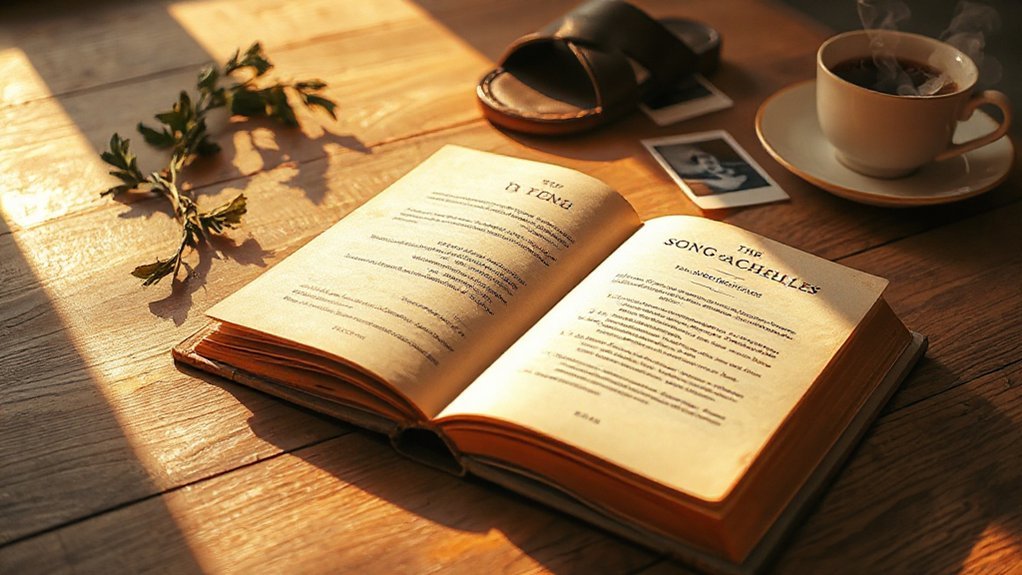
Okay, let’s talk about The Song of Achilles. You’ll plunge into Greek mythology reimagined, and I’ll guide you—no lecturing, just enthusiasm.
You watch tragic love unfurl, feel character growth in small gestures, and taste emotional depth in starlit scenes. My narrator voice is frank, sometimes wry, as I point out Miller’s literary style: a modern retelling that keeps historical context alive, yet feels fresh.
You touch armor, hear waves, smell smoke, and you wince at decisions that sting. Thematic exploration—fate, honor, desire—lands like a punch and a lullaby, simultaneously.
Poetic language wraps raw feeling, and the book moves you. You’ll laugh, then cry, then recommend it like you discovered a secret.
The Seven Husbands of Evelyn Hugo by Taylor Jenkins Reid

If you pick up The Seven Husbands of Evelyn Hugo, don’t be surprised when it hooks you in the first chapter and won’t let go; I promise you’ll devour it like secret candy.
You follow Evelyn, you smell perfume and smoke, you see cameras flash, and you feel Evelyn’s ambitions pulse under her silk.
You trail Evelyn—perfume, cigarette smoke, flashing cameras—her ambitions throbbing beneath silk, unstoppable and intoxicating.
I tell you secrets, I nudge you, I laugh at how ruthless she is, then admit I’d do the same.
Hollywood glamour dazzles, but Reid peels the glitter back, shows the grind, the bargains, the quiet betrayals.
You read fast, you wince, you cheer.
Dialogue snaps, scenes shift like quick cuts, and by the last page you’re changed, satisfied, a little complicit.
A Little Life by Hanya Yanagihara

You’re about to sit with a book that won’t let you go, and I’ll warn you now, it gets intense—teeth-clenchingly emotional, tactile in its pain and its small joys.
You’ll watch friendships bend and bruise, feel the weight of trauma in quiet rooms and crowded parties, and notice how Yanagihara paces revelation like footsteps in a hallway: slow, then sudden.
Stay ready for long, patient scenes that build character bonds, sharp shifts in timing that make your chest tighten, and a story that asks you to keep turning pages even when you want to look away.
Emotional Intensity and Trauma
When I first opened A Little Life, I thought I was ready for a heavy book—I was wrong, loudly and embarrassingly wrong.
You’ll feel it in your bones, the slow press of trauma, like cold rain seeping through a coat you thought was waterproof. I watch, narrate, and wince with you as the prose drills into memory, taste, and ache.
This isn’t melodrama, it’s deliberate excavation—harrowing scenes, quiet regressions, and the messy, stubborn work of healing journeys that demand emotional resilience. You’ll mouth expletives, fold pages, make tea you don’t finish.
It’s a tough, innovative read that rearranges your interior furniture, leaves some shards, but also shows how repair can glitter, oddly, in the light.
Character Relationships and Bonds
Because the friends in A Little Life are stitched to one another by habit, history, and a kind of tender stubbornness, you feel every pull and slack in their bonds like a muscle under the skin.
I watch character dynamics shift in tiny rooms, in hospital halls, over cheap takeout, and I wince with you. You track emotional connections that bruise and bloom, relationship growth that’s messy, honest, stubborn.
Bond exploration here is tactile; hands, silences, flinches do the talking. Contrasting personalities spark, clash, then cushion one another.
Friendship evolution reads like weather, sudden and inevitable. Love complexities, trust issues, familial ties, loyalty themes braid through scenes, and I keep saying: it hurts, it holds, and sometimes it saves.
Narrative Structure and Pacing
Those tight, bruising friendships set the shape of the book, and now I want to show you how Yanagihara arranges the furniture of the story so those bonds look inevitable.
I guide you through narrative techniques that twist time, drop you into rooms, then yank you back out, and you feel every bruise.
You’ll notice pacing strategies that linger on a stare, then sprint through years, so the pain lands like a sucker punch.
I talk like your savvy friend, I wink, I wince. You read scenes that smell of coffee and hospital antiseptic, you hear laughter and quiet sobs, you move with the quartet as the plot tightens, loosens, then tightens again.
It’s bold, it’s blunt, and it works.
- A slow burn hallway, light slanting, footsteps echo
- A sudden cut to bright street, taxis honk, breathless
- A hush in a small apartment, rain on glass, a held breath
The Nightingale by Kristin Hannah

If you like books that grab you by the collar and don’t let go, then The Nightingale will do exactly that—Kristin Hannah throws you into wartime France with sand in your shoes, cold rain on your collar, and two sisters whose lives split down the middle.
You’ll feel the historical context, you’ll watch character development like a slow, stubborn burn, and you’ll root for clever, messy survival. I talk to you like a friend who’s already cried in public over a plot twist.
You get texture—smoke, bread, whispers—and choices that sting. The prose nudges you forward, the stakes keep expanding, and yes, you’ll laugh, gasp, and then, probably, ugly-cry on the bus. Worth the ticket.
Normal People by Sally Rooney
Normal People hits you like a quiet shove—you’ll notice it in the way Rooney stages a hallway, a glance, a text that lands like a stone in a still pond.
I tell you, you’ll be hooked by raw character dynamics, by the small, stubborn details that lean into emotional depth. You watch gestures, overhear silences, and feel inventions of intimacy that feel new and unavoidable.
I laugh at myself when a line stops me. You’ll move through scenes, and Rooney won’t let you skim.
- A half-lit kitchen, cups clink, breath held between words.
- A college corridor, footsteps sync, a look that reroutes time.
- Rain on a window, a hand reaches, a silence becomes language.
Read it, if you want fresh truth.
The Invisible Life of Addie LaRue by V.E. Schwab

Maybe everyone thinks immortality sounds glamorous, but let me tell you, it isn’t—unless you’re a moth to a midnight streetlamp.
Immortality isn’t glamor—unless you’re a moth to a midnight streetlamp, drawn to impossible light and slow burn.
You follow Addie LaRue into alleys of memory and candlelight, and I promise you’ll leave more curious than you arrived. I walk beside her, tracing the grain of old wood, smelling salt and rain, feeling a bargain hum under my skin.
V.E. Schwab gifts you an audacious premise, then sharpens it with small, brutal truths. You’ll want to annotate every line, pause at phrases that sting, laugh at my bad jokes, then choke on the ache.
This book teaches you to love risk, to savor stolen moments, to reinvent yourself when the world forgets you—innovative, tender, and surprisingly bright.
The Priory of the Orange Tree by Samantha Shannon

A handful of sweeping epics make you feel like you’re getting your money’s worth, and The Priory of the Orange Tree is one of those glorious beasts you’ll happily wrestle with; I dove in expecting dragons and court gossip, and came up with fire, salt, and a throne room that smelled faintly of old paper and orange peel.
You’ll ride long chapters that reward patience, you’ll learn intricate dragons lore, and you’ll grin at feminist themes threaded through sword practice and statecraft. I narrate scenes like I’m passing you a map, honest and a little smug, because this book earns its scope.
It hugs slow build, then punches with mythic stakes, and yes, the dragons are worth it.
- Scales glinting in torchlight, sea salt on leather
- Silk banners, ink-stained treaties, whispered strategy
- Hot metal, iron tang, a chorus of wings
The Vanishing Half by Brit Bennett

I want you to grab a coffee and picture two sisters, one who walks into a room and is seen, the other who slips in like a cat and gets an entirely different life.
You’ll notice how identity and passing tangle with family secrets, every conversation and holiday stuffed with small betrayals and the scent of boxed cake.
Read it for the sharp questions about race and legacy, they’ll sit with you, uncomfortable and thrilling, like a song you can’t stop humming.
Identity and Passing
Because you’ll want a place to sit before we start, grab a mug and settle in — I’ll tell you why The Vanishing Half hits like a mirror with a crack in it.
You watch identities shift, you feel the heat of social expectations, and you trace cultural identity like a fingerprint.
I lean in, you lean back, we both squint at dual identities, intersectional experiences, and the tug between societal acceptance and authenticity struggles.
It’s about calm scenes and loud reckonings, about self discovery that smells like coffee and fear.
- A moth slipping into light, wings unsure, searching for authenticity.
- Two women at a bus stop, shared silence, separate cultural heritage.
- A torn family album, pages fluttering with identity exploration.
Family and Secrets
When secrets live in your house like uninvited relatives, you learn to walk around them—soft-footed, a little guilty, always checking for noise.
I watch family dynamics twist like knotted cords, you feel the tension under dinners, hear siblings trade barbs, that sibling rivalry is sharp, almost audible.
You touch hidden truths, they stick to your palms. Scenes snap: a slammed door, a whispered confession, a laugh swallowed.
Generational conflict hums in the walls, parental expectations crow like roosters at dawn.
You trace family legacies in old photos, you wince at secrets revealed, you catalog emotional scars like souvenirs.
I nudge you toward Bennett’s craft, it’s clever, exact, painfully humane — and yes, oddly comforting.
Race and Legacy
If you’ve ever watched someone step into a room and deliberately lose the color of their skin like it’s a costume change, you know the electric hush Brit Bennett builds in The Vanishing Half.
You walk with twins who choose different lives, you feel the tug of race relations in every small lie, and you sense how cultural legacy gets passed like a secret recipe.
I’ll admit, it prickles. You want innovation in storytelling? This delivers, sleek and sharp.
You see faces, hear muted laughter, smell coffee and dust in split apartments. You laugh at my terrible metaphors, then you nod, because Bennett forces you to choose sides, or to drop the choice entirely.
- A whispered name in a crowded diner
- Two mirrors, one cracked
- A postage stamp of a hometown
Mexican Gothic by Silvia Moreno-Garcia
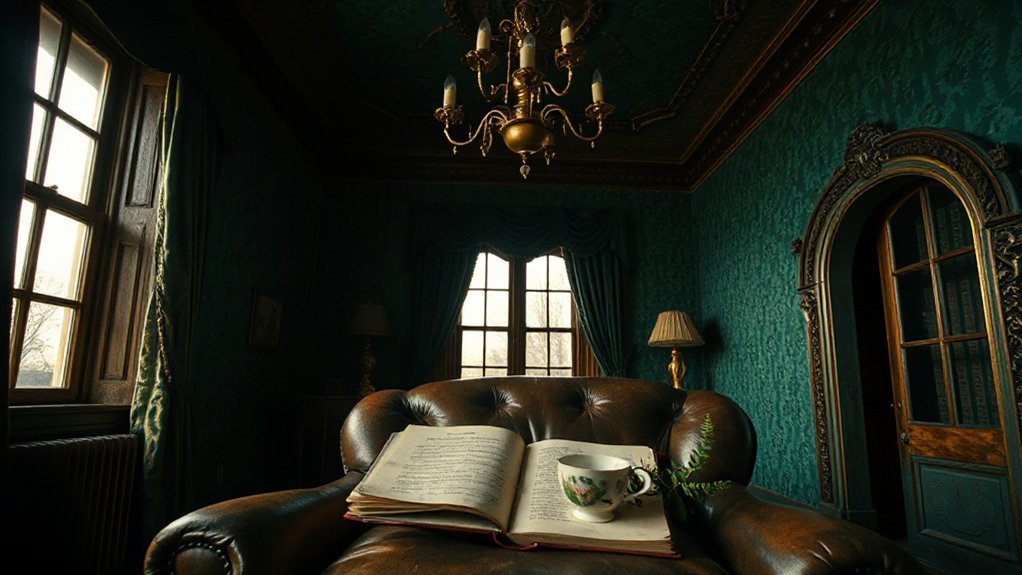
You’ll want to light a candle for this one, even if you’re only pretending to set the mood; I did, mostly to feel like a competent Gothic heroine and partly because the house in Mexican Gothic smells like damp library books and old cigarettes.
You step into a poisoned glamour, you notice the wallpaper peeling, and you keep asking questions. This gothic horror novel plays like a clever invention, it blends dread with sharp social observation, and it honors cultural heritage without tokenizing anything.
You’ll root for Noemí, you’ll whisper to her, “Don’t open that door,” and she’ll do it anyway — brilliant, messy courage.
It’s eerie, stylish, and inventive; you’ll close it satisfied, slightly chilled, wanting to talk about it.
The Atlas Six by Olivie Blake

Even though I promised myself I wouldn’t join the fandom, I opened The Atlas Six at midnight with a mug of tea gone cold and a guilty grin on my face.
You’ll be pulled in by a slick, experimental magic system, and you’ll stay for the sharp character development—every betrayal tastes like citrus, every alliance hums.
I narrate the chaos, I laugh at my own impulse buys, and I point out how the book rewires expectations without being smug.
- Candle wax pooling, pages fluttering like small wings
- Velvet robes rustling, a library breathing secrets
- A map sketched in coffee rings, margins full of furious notes
You’ll want to debate ethics, memorize quotes, and then reread, immediately.
Leave a Reply