
You want a book that starts, lands, and finishes without dangling threads, and I’m right there with you—no cliffhanger guilt, no “wait, there’s a sequel” sigh. Picture holding a single, weighty story: you smell the dust on the first page, hear the city at night, and you know the arc will close. I’ll point you to tight, unforgettable novels that give you full payoff, and yes, a few will sting. Want to pick one?
Key Takeaways
- Choose emotionally complete novels with satisfying endings that don’t rely on sequels for closure.
- Prefer richly self-contained character arcs that resolve major conflicts within one book.
- Look for standalone literary fiction or modern classics praised for thematic depth and craft.
- Consider varied tones—gritty, lyrical, speculative, or historical—to match your mood without commitment.
- Read reviews highlighting narrative economy and emotional payoff to ensure single-book fulfillment.
The Night Watchman by Louise Erdrich
A small, stubborn town sits at the center of Louise Erdrich’s The Night Watchman, and I’ll bet you’ll feel like you know its creaky porches by the end of the first chapter.
You walk those boards with the characters, you smell wood smoke and coffee, you hear radio static and sharp laughter.
I’ll be blunt: this Native American Historical Fiction novel hooks you with heart, anger, and wit.
A fierce, compassionate Native American historical novel — sharp, funny, and fiercely honest, it grabs you by the heart and won’t let go
You’ll meet a watchman who patrols at night, a sister who won’t be sidelined, and laws that gnaw at dignity.
I warn you, I’m biased; I love smart, empathetic books that do more than tell stories.
This one teaches you to listen, then makes you act.
You’ll leave changed, in a good way.
Never Let Me Go by Kazuo Ishiguro

Even if you think you know what kind of book this is, don’t be smug — Kazuo Ishiguro sneaks up on you.
You follow Kathy’s steady voice, you smell rain on worn classrooms, you touch the brittle edges of memory.
I tell you straight: this novel rearranges your expectations, quietly, surgically.
You’ll face ethical dilemmas that don’t shout, they sit across the table and sip tea.
The emotional impact hits in small doses, then swells, like a chord that won’t quit.
You’ll laugh nervously at a clumsy joke, then choke on the truth.
I won’t sugarcoat it, you’ll feel used and moved, in a humane, devastating way.
Read it in one sitting, or linger, but don’t leave unchanged.
The Goldfinch by Donna Tartt

If you think you’re ready for a tidy, feel-good read, think again — I’ll tell you straight, Donna Tartt doesn’t do tidy.
You step into Theo’s world, gritty and luminous, smelling of paint thinner and old books, and you don’t leave unchanged.
I’ll be blunt: the novel’s long, it luxuriates, but it earns every page with daring artistic themes and relentless character development.
You watch a boy stumble through loss, addiction, and art’s strange salvation, and you feel each misstep like a bruise.
I laugh at my own softness, I wince with him, I keep reading.
Scenes crackle—auctions, smoky rooms, small victories—and Tartt’s prose makes the ordinary feel incandescent, stubbornly alive.
The Secret History by Donna Tartt
Because you’ll be tempted to call it a campus novel and move on, let me stop you right there: The Secret History is a slow-burning, elegant trap.
You’ll walk into tight rooms, hear boots on wet stone, and watch people trade intellectual flirtations that mask darker intents. You want innovation? Tartt gives it: crisp Character dynamics, dialogue that snaps, and Moral ambiguity that doesn’t apologize. You’ll feel both repelled and fascinated.
- A group that thinks beauty justifies risk, you’ll be both participant and witness.
- Secrets unfold like notes in a chamber piece, precise, unsettling.
- The narrator drags you, gossipy and guilty, through each moral misstep.
Read it when you want your comfort zone rearranged, neatly, painfully.
Station Eleven by Emily St. John Mandel
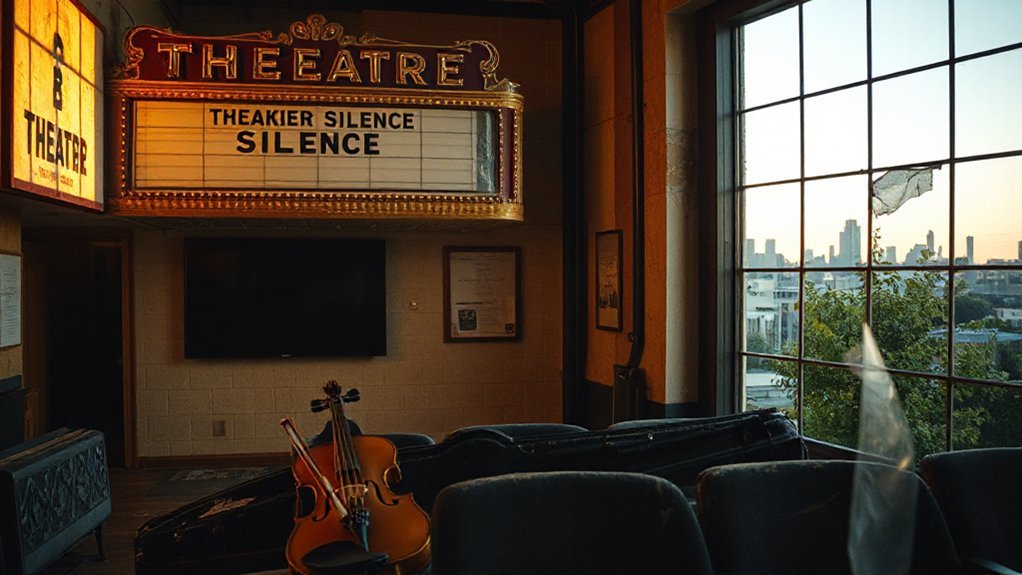
So you loved the tight rooms and guilty narrators of The Secret History — good, I admire your taste — but now let me shove you into a very different kind of beautiful ruin: Station Eleven.
You’ll walk through snow-slick streets, smell diesel and stale coffee, hear a violin in an empty airport, and feel oddly hopeful. I tell you this as someone who likes clever tricks, and yes, I cried in the middle row.
Mandel mixes post apocalyptic survival grit with grace, she threads interconnected narratives like a seamstress on speed, characters looping back, surprising you. It’s spare, vivid, funny, sad.
You’ll want to keep flipping, then stop and breathe, then laugh at a ridiculous line I won’t spoil. Trust me, it lands.
The Power by Naomi Alderman

I remember the first time I felt like the world had flipped its wiring, a small electric thrill under my skin while everyone else kept making tea and scrolling, blissfully unshocked; it’s the kind of moment that sneaks up on you and then rearranges your life.
The first electric thrill—everything rearranged while the world brewed tea and scrolled, blissfully unshocked.
You read The Power and your pulse matches its buzz, you watch society invert, you grin at the clever cruelty. Alderman’s feminist dystopia hums with invention, it smells like ozone and hot metal, it tastes like adrenaline.
You’ll like it if you want bold ideas.
- sharp characters that sting
- inventive premise, panoramic scope
- moral puzzles that linger
I narrate this like a friend, I joke, I nudge, I dare you to feel the societal power shift.
Leave a Reply